DFC Project progress: Worst Slowdown Exposed by Modi’s Critique

DFC Project progress has become a contentious issue as Modi castigates the previous Manmohan Singh government for its slow advancements. This criticism sheds light on the urgent need for improvement in infrastructure projects.

Background on the DFC Project

The Dedicated Freight Corridor (DFC) Project is a significant infrastructure initiative aimed at enhancing freight transportation efficiency across India. The project, which was launched to decongest existing rail networks and improve logistics, has faced various challenges since its inception.

Critics have pointed out that the progress on the DFC Project has been slower than anticipated, attributing this to a series of bureaucratic hurdles and funding issues. In recent statements, Prime Minister Modi has particularly highlighted the lack of timely action during the previous Manmohan Singh administration.

Key points regarding the DFC Project include:

  • Objective: To create a dedicated rail corridor for freight traffic.
  • Benefits: Expected to reduce transit times and lower logistical costs.
  • Current Status: Progress has been notably behind schedule, raising concerns among stakeholders.

The ongoing discussion around the DFC Project progress underscores the importance of efficient governance and timely implementation of infrastructure projects in India.

Modi’s Critique Explained

In a recent speech, Prime Minister Narendra Modi addressed the sluggish progress of the Dedicated Freight Corridor (DFC) Project, criticizing the previous government’s handling of the initiative. Modi emphasized that the delays experienced during the tenure of former Prime Minister Manmohan Singh have significantly hampered the project’s potential benefits.

According to Modi, the DFC Project, which is intended to revolutionize freight transport in India, has faced unnecessary obstacles due to inadequate planning and execution by the previous administration. He stated that the project was a priority, yet it suffered from a lack of urgency and focus.

Modi highlighted several key points regarding the DFC Project’s progress:

  • Infrastructural Delays: Many segments of the corridor remain incomplete.
  • Financial Mismanagement: Funds allocated for the project were not utilized effectively.
  • Policy Inconsistencies: Frequent changes in policy led to confusion and stagnation.

This critique aims to shed light on the need for renewed commitment to accelerating the DFC Project’s progress.

Impact of Slow Progress

The impact of the slow progress on the DFC Project has raised concerns among various stakeholders, particularly in light of Prime Minister Modi’s recent critique. The delay in the project’s advancement has not only affected the logistics sector but has also had broader implications for economic growth.

Key issues arising from the slow progress include:

  • Increased Costs: Delays have led to rising expenses, affecting the overall budget allocated for the project.
  • Investment Hesitation: Potential investors are wary of committing funds to a project that lacks timely execution.
  • Job Creation Delay: The promised job opportunities tied to the DFC Project are being postponed, impacting local economies.
  • Logistical Challenges: Inefficiencies in transportation and supply chain management have become more pronounced due to the stagnation.

As discussions around the DFC Project progress continue, stakeholders are urging for a renewed focus on overcoming these delays to realize the project’s full potential.

Comparative Analysis with Other Projects

The progress of the DFC Project has come under significant scrutiny, especially when compared to similar infrastructure initiatives. While the DFC aims to revolutionize freight transport in India, other projects have showcased more efficient execution and timelines.

For instance, the Delhi-Mumbai Expressway was completed ahead of schedule, demonstrating effective management and resource allocation. In contrast, the DFC Project has faced continual delays, raising questions about project oversight and funding mechanisms.

Additionally, the Mumbai Metro project, despite its hurdles, has progressed steadily, highlighting a contrast in governmental approach between these initiatives. Key factors contributing to the disparity include:

  • Timely funding and clear accountability
  • Efficient stakeholder engagement
  • Proactive project management practices

The comparative analysis underscores the urgent need for enhanced governance to ensure that the DFC Project meets its intended milestones and delivers on its promises.

Future Prospects for DFC

The future prospects for the DFC Project remain a topic of intense discussion, particularly in light of recent critiques from Prime Minister Modi. As the government seeks to revitalize this critical infrastructure initiative, several key factors will influence its trajectory.

First, the allocation of resources will be paramount. With increased funding and strategic partnerships, the DFC could see accelerated progress. Secondly, addressing bureaucratic hurdles will be essential to streamline operations and enhance efficiency.

Moreover, technological advancements play a crucial role in improving project timelines. Implementing innovative solutions could mitigate delays and enhance the overall effectiveness of the DFC Project.

Lastly, public and private sector collaboration will be vital. Engaging stakeholders from various sectors can lead to shared insights and improved outcomes. As discussions around the DFC Project progress, the government aims to turn criticism into a catalyst for growth and development.

Ultimately, the DFC Project’s future hinges on the ability to adapt and respond to the challenges highlighted by Modi’s critique.

The recent critique by Modi has brought to light significant challenges affecting DFC Project progress. Stakeholders are now questioning how these setbacks will impact the overall timeline for DFC Project progress.

Photo by Collab Media on Pexels
Sources

Related stories

Next-Generation Smart Thermostat: Proven Benefits for Homeowners

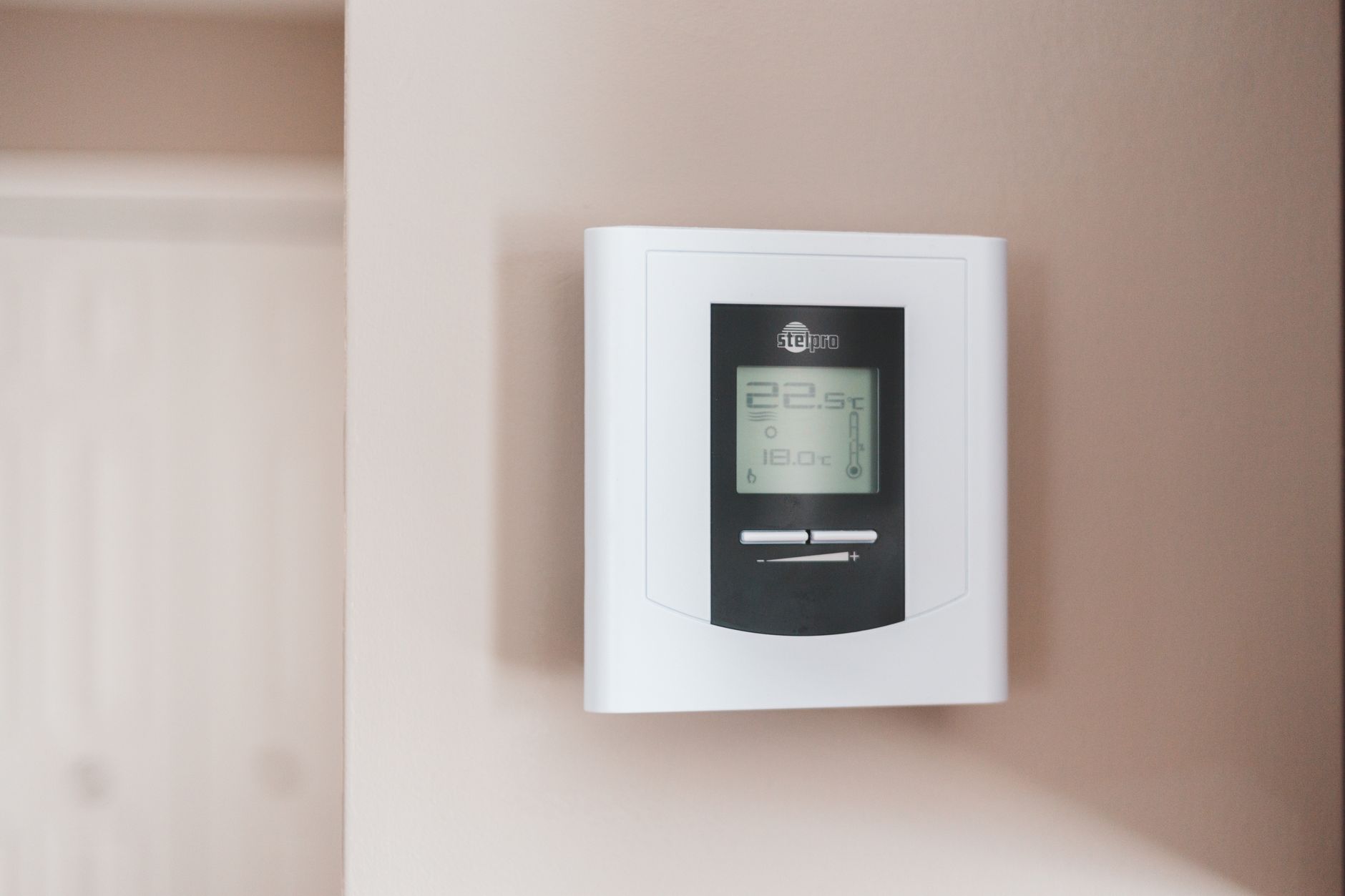
The next-generation smart thermostat is revolutionizing home automation. Universal Electronics and Eneco have partnered to launch a device that enhances customer engagement and energy savings for utilities.

What is a Smart Thermostat?

A smart thermostat is an advanced device that allows homeowners to control their heating and cooling systems more efficiently. Unlike traditional thermostats, these next-generation smart thermostats use innovative technology to learn user preferences and adapt automatically to maintain optimal comfort levels.

These devices are typically connected to the internet, enabling remote access via smartphones or tablets. Homeowners can adjust settings from anywhere, providing convenience and energy savings. Some of the key features of a smart thermostat include:

  • Learning Capabilities: Smart thermostats analyze patterns in a household’s heating and cooling habits, adjusting temperatures accordingly.
  • Energy Usage Reports: These devices provide insights into energy consumption, helping homeowners make informed decisions about usage.
  • Integration with Smart Home Systems: Many smart thermostats can integrate with other smart devices, allowing for seamless automation.
  • Geofencing Technology: Some models can use GPS data from smartphones to adjust temperatures based on whether the homeowner is at home or away.

Overall, the next-generation smart thermostat represents a significant advancement in home climate control, offering both comfort and efficiency. Homeowners who invest in these devices can enjoy lower energy bills and a more personalized living environment.

Key Features of the New Thermostat

The next-generation smart thermostat comes equipped with a variety of features designed to enhance energy efficiency and user convenience. Homeowners can expect the following key features:

  • Adaptive Learning: This innovative thermostat learns the homeowner’s preferences over time, automatically adjusting temperature settings based on their habits and routines.
  • Remote Access: Users can control their heating and cooling systems from anywhere using a smartphone app, ensuring comfort even when they are away from home.
  • Energy Usage Reports: Detailed insights into energy consumption help homeowners make informed decisions about their usage, ultimately leading to cost savings.
  • Integration with Smart Home Devices: The thermostat seamlessly connects with other smart home devices, such as lights and security systems, to provide a comprehensive home automation experience.
  • Voice Control: Compatibility with voice-activated assistants allows homeowners to adjust settings with simple voice commands, adding a layer of convenience.
  • Weather Adaptability: The thermostat can access local weather data, making real-time adjustments to optimize comfort and energy efficiency.

These features not only provide comfort but also promote sustainability, making the next-generation smart thermostat an essential investment for modern homeowners.

Benefits for Homeowners

The introduction of the next-generation smart thermostat offers numerous advantages for homeowners, enhancing both comfort and energy efficiency in their living spaces. These innovative devices are designed to learn from user behavior and preferences, ensuring a tailored heating and cooling experience.

One of the primary benefits is the potential for significant energy savings. By optimizing the heating and cooling schedules based on real-time data, homeowners can reduce their energy consumption without sacrificing comfort. This not only leads to lower utility bills but also contributes to a more sustainable environment.

Additionally, the next-generation smart thermostat provides users with advanced control options. Through mobile apps, homeowners can adjust their home’s temperature from anywhere, allowing for greater flexibility. Whether at work or on vacation, individuals can ensure their homes are at the perfect temperature upon return.

Another important feature is the integration with smart home systems. The next-generation smart thermostat can seamlessly connect with other smart devices, such as lights and security systems, creating a cohesive and convenient home automation experience.

Moreover, with regular software updates, these smart thermostats continue to improve over time, adapting to changing user needs and incorporating the latest energy-saving technologies. Homeowners can enjoy peace of mind knowing that their investment will remain relevant and efficient for years to come.

How Utilities Can Engage Customers

The introduction of the next-generation smart thermostat presents a unique opportunity for utilities to engage with their customers more effectively. By integrating advanced technology and user-friendly features, these devices not only enhance energy efficiency but also foster a deeper connection between utility providers and their clients.

One way utilities can engage customers is through personalized energy insights. With the data collected from next-generation smart thermostats, utilities can send tailored reports that highlight energy usage patterns, suggest energy-saving practices, and recommend optimal usage times. This level of customization can empower customers to make informed decisions about their energy consumption.

Additionally, utilities can leverage the capabilities of smart thermostats to offer demand response programs. By incentivizing customers to adjust their energy use during peak times, utilities can help balance the grid while providing tangible benefits to homeowners, such as lower energy bills or rebates for participating in these programs.

Moreover, utilities can utilize the connectivity of smart thermostats to enhance customer support and communication. Features like remote diagnostics and troubleshooting can significantly reduce service calls, streamlining operations and improving customer satisfaction.

In conclusion, as the next-generation smart thermostat continues to evolve, utilities have the chance to create a more interactive and beneficial relationship with their customers, ultimately leading to smarter energy management and greater customer loyalty.

Future of Smart Home Technology

The future of smart home technology is rapidly evolving, with the next-generation smart thermostat leading the charge. As households become increasingly interconnected, smart thermostats are not just tools for energy efficiency; they are pivotal in creating a seamless living experience. These advanced devices integrate with various smart home systems, allowing homeowners to control their environment from a single interface.

One of the most exciting advancements in this field is the incorporation of artificial intelligence. With AI, next-generation smart thermostats learn user preferences and adjust settings autonomously, optimizing comfort while minimizing energy consumption. This capability not only reduces utility bills but also contributes to a more sustainable lifestyle.

Moreover, as demonstrated by the recent partnership between Universal Electronics and Eneco, the next-generation smart thermostat is enhancing customer engagement for utility companies. By providing homeowners with more data and insights regarding their energy usage, these thermostats empower users to make informed decisions, ultimately leading to smarter energy consumption.

The integration of voice control technology further enhances user convenience. Homeowners can easily adjust temperatures or monitor their homes hands-free, making the smart thermostat an integral part of daily life.

As technology continues to advance, the next-generation smart thermostat will undoubtedly play a crucial role in the future of smart home ecosystems, making homes more efficient, comfortable, and connected.

Photo by Erik Mclean on Pexels

References

You might also like

House Prices Wokingham: Worst Proven Trends Revealed

House prices Wokingham are experiencing significant rises, outpacing salary increases in the area. This trend raises concerns about housing affordability for residents.

Current State of House Prices in Wokingham

The current state of house prices in Wokingham reflects a concerning trend, as recent data indicates that the increases in property values are significantly outpacing salary growth. This disparity has made homeownership increasingly challenging for many residents in the area.

According to local reports, Wokingham has seen a surge in demand for homes, resulting in prices that have soared over the past few years. As prospective buyers compete for limited housing options, the average cost of homes has reached levels that some experts describe as unsustainable.

Key factors contributing to the rise in house prices in Wokingham include:

  • Population Growth: An influx of new residents has increased demand for housing.
  • Low Interest Rates: Favorable mortgage rates have encouraged more buyers to enter the market.
  • Limited Supply: A shortage of available homes has exacerbated competition among buyers.

As a result, many local families and first-time buyers find themselves priced out of the market, leading to concerns about the long-term affordability of housing in Wokingham. With salaries not keeping pace with these rising house prices, the community faces significant challenges ahead.

Impact of Salary Increases on Homebuyers

The relationship between salary increases and house prices in Wokingham has become increasingly critical for potential homebuyers. As reported, house prices are rising at a pace that significantly outstrips salary growth, creating a challenging environment for those looking to enter the market.

In recent years, many residents have experienced nominal salary increases, while the cost of purchasing a home has skyrocketed. This disparity is affecting affordability and leading to a growing divide between income levels and housing costs. Homebuyers are faced with the following challenges:

  • Affordability Issues: With house prices in Wokingham continuing to climb, many individuals and families find themselves priced out of the market.
  • Increased Debt Burden: To keep up with rising prices, potential buyers may resort to taking on larger mortgages, increasing their financial risk.
  • Longer Saving Periods: Aspiring homeowners are now required to save for longer periods to afford a deposit, delaying their entry into homeownership.

As these trends persist, the impact on homebuyers in Wokingham will likely continue to be profound, making it essential for policymakers to address the root causes of this imbalance.

Comparative Analysis of Wokingham and Surrounding Areas

The house prices in Wokingham have shown a significant disparity when compared to nearby towns and cities. A comparative analysis reveals critical insights into the local real estate market.

In neighboring areas, such as Reading and Bracknell, house prices have increased at a more moderate pace. This can be attributed to various factors, including demand, local amenities, and infrastructure development. The following points highlight the differences:

  • Reading: House prices have risen by approximately 5% over the past year, reflecting a steady demand driven by its proximity to London.
  • Bracknell: Here, prices have stabilized, with a modest 3% increase, making it a more affordable option for first-time buyers.
  • Wokingham: In contrast, house prices in Wokingham have soared by over 10%, intensifying competition among buyers and pushing many out of the market.

The steep rise in Wokingham’s property values highlights the area’s appeal, but it also raises concerns regarding affordability. As potential homeowners struggle to keep up with these escalating prices, the housing market trends present a challenging landscape for many.

Future Predictions for the Wokingham Housing Market

As the Wokingham housing market continues to evolve, experts are making predictions that could significantly impact future homeowners. The current trend indicates that house prices in Wokingham may continue to rise, potentially exacerbating the gap between property affordability and salary increases.

Several factors are expected to influence future pricing:

  • Economic Recovery: As the economy stabilizes post-pandemic, demand for housing may surge, driving prices upward.
  • Interest Rates: Fluctuations in interest rates could affect mortgage affordability, possibly limiting the buying power of prospective homeowners.
  • Supply Constraints: New housing developments are essential, but delays in construction could lead to a supply shortage, further inflating prices.
  • Local Amenities: Continued investment in local infrastructure and amenities may enhance Wokingham’s appeal, attracting more buyers and increasing demand.

Additionally, the demographic shift with younger families moving into the area could further intensify competition for homes. Experts suggest that potential buyers should remain vigilant and consider their options carefully, as the landscape of house prices in Wokingham is likely to remain challenging in the near future.

Advice for Homebuyers in Wokingham

As potential buyers navigate the fluctuating landscape of house prices in Wokingham, it is essential to arm themselves with valuable insights and strategies. Understanding the current market dynamics can significantly influence purchasing decisions.

Here are some practical tips for homebuyers in Wokingham:

  • Research the Market: Familiarize yourself with the latest trends in house prices. Continuous monitoring can help you identify the right time to make a purchase.
  • Consider Your Budget: With prices rising, it’s crucial to set a realistic budget. Factor in additional costs like taxes, maintenance, and potential renovations.
  • Be Flexible: While having preferences is important, being open to different areas or property types can increase your chances of finding a suitable home.
  • Engage a Local Agent: A knowledgeable real estate agent familiar with Wokingham can provide insights that online searches may overlook, helping you make informed choices.
  • Stay Patient: With the market’s unpredictability, patience can be a virtue. Rushing into a decision may lead to overpaying or selecting a property that doesn’t meet your needs.

By staying informed and strategic, homebuyers can make well-considered decisions despite the challenging environment of house prices in Wokingham.

The latest data indicates that house prices Wokingham have seen a significant decline over the past year. Experts suggest that this trend may continue as the market adjusts to changing economic conditions.

Photo by Artful Homes on Pexels

Where this came from

Related stories