Metro 13 project: Quick and Smart Transformation for Mumbai

The Metro 13 project is poised to transform Mumbai’s northern suburbs by cutting travel time from 40 minutes to just 10. This ambitious initiative promises to enhance connectivity and ease commuting for residents.

Overview of the Metro 13 Project

The Metro 13 project is poised to revolutionize public transportation in Mumbai, significantly reducing travel times across the northern suburbs. With the ambitious goal of transforming a 40-minute commute into just 10 minutes, this project aims to enhance connectivity and ease congestion in one of India’s busiest cities.

Designed to accommodate the growing population and increasing traffic, the Metro 13 route will connect key areas, making commuting more efficient. The project promises to:

  • Facilitate seamless transfers at major junctions and existing metro lines.
  • Incorporate modern technology to ensure safety and reliability.
  • Support the city’s sustainability goals by reducing vehicular emissions.

As Mumbai continues to evolve, the Metro 13 project stands as a testament to the city’s commitment to improving urban mobility and enhancing the quality of life for its residents.

Impact on Mumbai’s Northern Suburbs

The Metro 13 project is poised to significantly transform the landscape of Mumbai’s northern suburbs, impacting daily commutes and local economies. Currently, residents often face lengthy travel times, with journeys taking up to 40 minutes. However, the introduction of the metro line is expected to reduce this time to just 10 minutes, enhancing connectivity and accessibility.

This transformation is not just about speed; it also promises to alleviate traffic congestion, which has long been a headache for commuters. With the convenience of the metro, more people may opt for public transport over private vehicles, leading to a decrease in road traffic and pollution levels.

Furthermore, the Metro 13 project is likely to spur economic growth in the area. Local businesses are expected to thrive as increased foot traffic brings more customers, while property values may rise due to improved accessibility. Overall, the project is set to redefine the suburban experience in Mumbai.

Travel Time Reduction Benefits

The Metro 13 project is poised to significantly reduce travel times for commuters in Mumbai’s northern suburbs. With an expected travel time cut from 40 minutes to just 10 minutes, this transformation is set to enhance the daily lives of thousands of residents.

The benefits of reduced travel time include:

  • Increased Productivity: Commuters will have more time for work, family, and leisure activities.
  • Environmental Impact: Shorter travel times can lead to reduced vehicle emissions as more people opt for public transport.
  • Economic Growth: Improved connectivity can attract businesses and boost local economies in the northern suburbs.
  • Enhanced Quality of Life: Less time spent commuting means more time for personal pursuits, contributing to overall well-being.

As the Metro 13 project progresses, these travel time reductions will become a reality, reinforcing the need for efficient urban transport solutions in Mumbai.

Funding and Investment in Infrastructure

The successful implementation of the Metro 13 project is heavily reliant on significant funding and investment in infrastructure. To bring this ambitious plan to fruition, various financing options are being explored, ensuring that the project aligns with the needs of Mumbai’s growing population.

The funding sources include:

  • Government Allocations: The state and central governments are allocating funds to support the infrastructure projects.
  • Public-Private Partnerships: Collaborations with private investors are being encouraged to enhance financial viability.
  • International Loans: Institutions such as the Asian Development Bank are likely to provide loans for construction and development.

With the incorporation of modern technology and sustainable practices, the Metro 13 project is set to redefine transportation in Mumbai. This investment not only promises to improve travel efficiency but also enhances the overall urban landscape, paving the way for sustainable growth in the region.

Community Response to Metro 13

The community response to the Metro 13 project has been overwhelmingly positive, as residents anticipate significant improvements in their daily commutes. Many locals express excitement about the reduction in travel times, which are projected to decrease from 40 minutes to just 10 minutes for key routes.

Furthermore, some residents have highlighted the potential for increased economic opportunities in their neighborhoods. This has led to a number of local businesses preparing for an influx of customers, boosting confidence in the project’s benefits.

However, while the majority support the initiative, there are concerns about potential disruptions during construction. Community leaders are urging the authorities to keep residents informed and involved in the process.

Overall, the enthusiasm surrounding the Metro 13 project reflects a collective hope for a more connected and accessible Mumbai, transforming the northern suburbs into a thriving hub of activity.

Future of Urban Transport in Mumbai

The Metro 13 project is poised to revolutionize urban transport in Mumbai, offering a glimpse into a more efficient and connected future. With its state-of-the-art technology and strategic planning, the project aims to alleviate congestion and improve accessibility across the city.

Key features of the Metro 13 project include:

  • Increased Connectivity: Linking various neighborhoods, the metro will enhance travel options for residents and commuters.
  • Environmental Benefits: By promoting public transport, the project aims to reduce traffic emissions and improve air quality.
  • Economic Growth: Improved transport infrastructure is expected to attract investments and boost local businesses.
  • Safety and Efficiency: Modern metro systems provide a reliable mode of transport, minimizing delays and enhancing passenger safety.

As the Metro 13 project progresses, it is clear that the future of urban transport in Mumbai will be more sustainable, efficient, and accessible for all residents.

Photo by Anil Sharma on Pexels

Sources

The Indian Express · Metroproject quattro

Related reading

Honor Thy Mother conference: A Smart Celebration of Moms · Cyprus rental yields: What are the best investment options? · Is QR-Based payment service the Best Way to Pay Today?
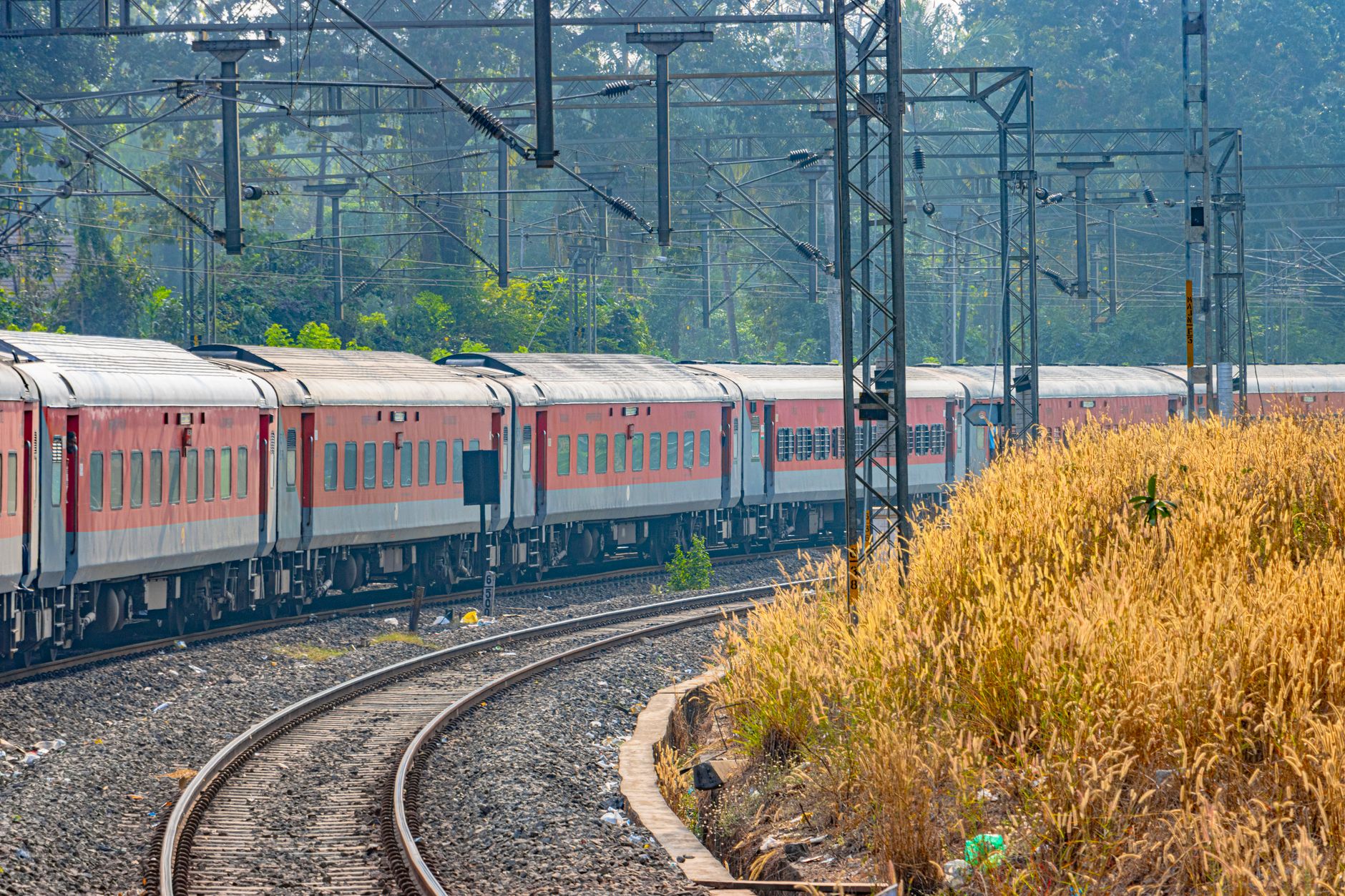
Indian Railways Projects: Safe and Proven Infrastructure Boost

Indian Railways projects aim to strengthen safety and freight capacity across the network. With an investment of over INR 800 crore, these initiatives promise to enhance infrastructure.

Overview of Indian Railways Projects

The Indian Railways has recently approved a series of significant projects aimed at enhancing safety and freight capacity across its network. With an investment exceeding INR 800 crore, these initiatives are set to modernize infrastructure and improve overall operational efficiency.

Among the key objectives of these Indian Railways projects are:

  • Upgrading signaling systems: Implementing advanced technology to ensure safer train operations.
  • Enhancing track infrastructure: Strengthening tracks to accommodate higher speeds and heavier loads.
  • Building new freight terminals: Expanding capacity to handle increasing cargo traffic effectively.
  • Improving passenger amenities: Renovating stations to provide better facilities for travelers.

These developments are part of a broader strategy by the Indian Railways to not only boost freight capacity but also to provide a safer and more reliable travel experience. As the demand for rail transport continues to grow, these projects represent a crucial step towards sustaining the future of India’s railway infrastructure.

Importance of Safety in Indian Railways Projects

Ensuring safety is paramount in the execution of Indian Railways projects, as the organization strives to maintain and enhance the reliability of its vast network. The recent clearance of over INR 800 crore projects underscores this commitment, aiming to fortify infrastructure and improve freight capacity while prioritizing passenger safety.

Key safety measures include:

  • Upgraded Signaling Systems: Implementation of modern signaling technology to prevent accidents and improve operational efficiency.
  • Track Rehabilitation: Regular maintenance and upgrading of tracks to prevent derailments and ensure smooth train operations.
  • Advanced Surveillance: Use of CCTV and drones to monitor railway assets and enhance security at stations.
  • Emergency Response Plans: Establishing quick response protocols to address any incidents effectively.

With these initiatives, Indian Railways projects aim not only to expand capacity but also to instill confidence in the safety of train travel. As the backbone of the nation’s transport infrastructure, prioritizing safety will ensure that Indian Railways continues to serve millions effectively and reliably.

Freight Capacity Enhancement through Indian Railways Projects

Indian Railways is taking significant strides in enhancing its freight capacity through a series of well-planned projects. Recent approvals for over INR 800 crore in investments aim to strengthen the infrastructure and improve the efficiency of cargo transportation across the nation.

The primary objective of these initiatives is to bolster the existing freight network, allowing for a more robust and reliable supply chain. By upgrading railway lines and enhancing loading and unloading facilities, Indian Railways projects are set to facilitate smoother operations for freight trains. This is expected to not only reduce transit times but also minimize the overall cost of logistics.

Key aspects of the freight capacity enhancement include:

  • Modernization of freight terminals: Upgrading facilities to handle a larger volume of goods.
  • Expansion of railway lines: Increasing the overall network capacity to accommodate more freight trains.
  • Implementation of advanced technology: Utilizing digital solutions for better monitoring and management of freight operations.

Through these focused efforts, Indian Railways projects are poised to significantly enhance the freight capacity, supporting the nation’s economic growth and development.

Investment Breakdown for Indian Railways Projects

The Indian Railways has recently allocated significant funding to enhance its infrastructure and safety measures, amounting to over INR 800 crore. This investment is a part of a larger strategy to modernize Indian Railways projects and improve operational efficiency.

The breakdown of this investment is as follows:

  • Safety Infrastructure: Approximately INR 350 crore has been earmarked for upgrading signaling systems and enhancing track safety features.
  • Freight Capacity Expansion: INR 250 crore will be used to develop new freight terminals and increase the capacity of existing ones to accommodate growing demand.
  • Passenger Amenities: Around INR 200 crore is designated for improving passenger facilities at various stations, ensuring a better travel experience.

These investments in Indian Railways projects not only aim to bolster safety but also focus on easing the logistical challenges faced by freight transport. By prioritizing infrastructure upgrades, Indian Railways is paving the way for more reliable and efficient services, which is essential for economic growth.

Future of Indian Railways Projects

The future of Indian Railways projects looks promising as the government continues to prioritize safety and infrastructure development. With a substantial allocation of over INR 800 crore for various initiatives, the aim is to enhance both safety measures and freight capacity across the network.

As part of these projects, several key areas are set to receive upgrades:

  • Technological Advancements: Implementation of modern signaling systems and automated monitoring to improve operational efficiency.
  • Infrastructure Development: Construction of new tracks and renovation of existing stations to accommodate increasing passenger and freight demands.
  • Safety Enhancements: Installation of surveillance systems and upgraded emergency response protocols to ensure passenger safety.

These initiatives not only aim to boost the overall capacity of the railway system but also to ensure a safer travel experience for millions of commuters. As the Indian Railways projects progress, stakeholders remain optimistic about the long-term benefits these enhancements will bring to the economy and the environment.

Community Impact of Indian Railways Projects

The recent initiatives taken by Indian Railways projects aim not only to enhance safety and freight capacity but also to create a positive community impact. These projects are designed with the welfare of local populations in mind, ensuring that the benefits extend beyond just rail infrastructure.

Through various developmental programs, Indian Railways is fostering economic growth in surrounding regions. Some of the key community impacts include:

  • Job Creation: New projects generate employment opportunities for local residents, both during construction and in ongoing operations.
  • Improved Connectivity: Enhanced rail infrastructure facilitates better access to markets, education, and healthcare services for nearby communities.
  • Environmental Considerations: Many projects include eco-friendly initiatives, reducing pollution and promoting sustainable practices.
  • Community Engagement: Indian Railways is involving local stakeholders in the planning and execution stages, ensuring that projects meet the specific needs of the communities affected.

These efforts signify a commitment to not only improving transportation but also uplifting the communities that rely on these vital services. The focus on Indian Railways projects reflects a comprehensive approach to development that prioritizes safety and community well-being.

Photo by Shantum Singh on Pexels

Sources

Related reading