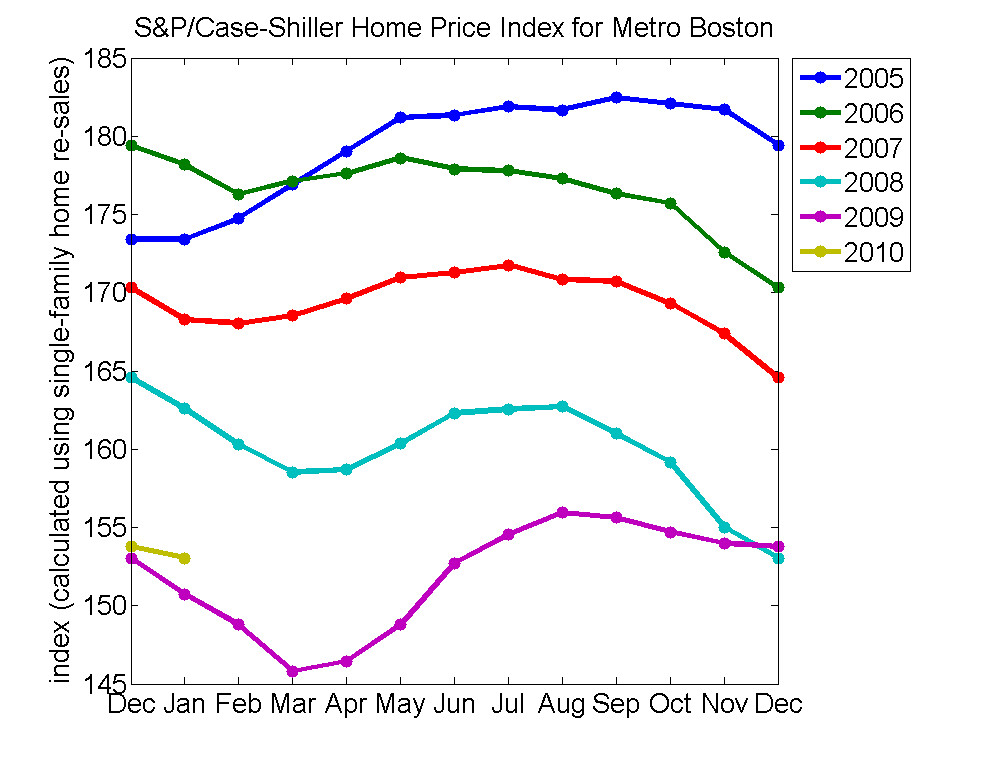
House Prices Fall: A Clear Sign of Market Shift

House prices fall in the capital city, marking the first decline in 15 years. This shift raises questions about the future of the real estate market.

Understanding the Reasons Behind the Decline

The recent decline in house prices has raised eyebrows among economists and homebuyers alike. This marked the first time in 15 years that capital city house prices have fallen together, signaling a significant shift in the property market. Several factors contribute to this downturn, reshaping the landscape of real estate investment.

  • Interest Rates: One of the primary reasons for the drop in house prices is the recent increase in interest rates. Higher borrowing costs have made mortgages less affordable, leading to a decrease in demand for homes.
  • Economic Slowdown: Economic uncertainty and a potential recession have caused consumers to become more cautious. Many buyers are delaying their purchase decisions, anticipating further price drops.
  • Supply Chain Issues: Ongoing supply chain disruptions have affected new housing developments. While there is a backlog of homes yet to be built, existing homeowners are hesitant to sell, leading to an imbalance in supply and demand.
  • Inflation: Rising costs of living, driven by inflation, have also impacted disposable incomes. This makes it more challenging for potential buyers to save for down payments, further contributing to the decline in house prices.

As these factors continue to unfold, the housing market may experience further fluctuations, making it crucial for buyers and sellers to stay informed about current trends.

Impact of Falling House Prices on Buyers

The recent decline in house prices has significant implications for potential buyers in the real estate market. With house prices fall being a prevalent trend, many are beginning to reassess their options and strategies when it comes to purchasing a home.

One of the most immediate effects of falling house prices is the increased affordability for first-time buyers. As prices decrease, the barrier to entry is lowered, allowing more individuals and families to consider homeownership. This shift could lead to a more diverse range of buyers entering the market.

Additionally, the current downturn may encourage buyers who have been on the fence to make decisions sooner rather than later. As the market adjusts, waiting for prices to stabilize could result in missed opportunities for securing a property at a lower price point.

However, the decline is not without its challenges. Some buyers may worry about the long-term value of their investment, fearing that further declines could occur. Real estate experts advise weighing both the current market conditions and personal financial situations before making any commitments.

Ultimately, the impact of falling house prices will vary among buyers, but understanding the new landscape is essential for navigating this evolving market successfully.

Future Predictions for the Real Estate Market

As the real estate market experiences significant changes, experts are closely monitoring future predictions for the housing sector. With house prices fall marking a pivotal moment, analysts are divided on what this could mean for buyers and sellers alike.

Several factors will influence future trends, including:

  • Interest Rates: The ongoing fluctuations in interest rates are expected to play a crucial role in shaping buyer behavior. Higher rates could further dampen demand, leading to a prolonged period of adjustment.
  • Inflation: Rising costs of living may impact consumers’ purchasing power, potentially leading to a reduction in home purchases as individuals prioritize essential expenses.
  • Supply and Demand: An increase in housing inventory may provide more options for buyers, but it could also lead to increased competition among sellers, resulting in further price declines.
  • Market Sentiment: Consumer confidence will be essential. If potential buyers perceive the market as risky, they may hold off on purchasing, exacerbating the downward trend.

In conclusion, while the current situation indicates a shift in the market, predictions remain varied. Stakeholders are urged to stay informed and prepared for a constantly evolving landscape as the impact of falling house prices unfolds.

What Homeowners Should Know Now

As house prices fall across many regions, homeowners may be feeling uncertain about their investments and the future of the real estate market. With the recent trend indicating a decline in capital city house prices for the first time in 15 years, it is essential for homeowners to stay informed and take proactive measures.

Here are some key points homeowners should consider:

  • Market Trends: Understanding the current market dynamics can help homeowners make informed decisions. Monitoring local sales data and trends is crucial.
  • Property Value: While falling house prices may seem alarming, it is important to remember that property values can fluctuate. Long-term homeowners may still see positive equity over time.
  • Selling Timing: If considering selling, homeowners should evaluate whether now is the right time. A decline in prices may not be ideal for selling, but personal circumstances can vary.
  • Refinancing Options: Homeowners with existing mortgages might explore refinancing options to take advantage of lower interest rates, which could offset some effects of falling house prices.
  • Financial Planning: Consulting with financial advisors can provide insights into navigating the current market and planning for potential changes.

Staying informed and prepared during this period of market adjustment can help homeowners make sound decisions moving forward.

As buyers take a step back, analysts predict that house prices fall may lead to a more balanced market in the coming months. This shift could provide opportunities for first-time homebuyers as house prices fall across various regions.

By Matthew Simoneau via Openverse

Read the original

Related reading

London Property Prices Fall: The Worst Decline in Years

London property prices fall dramatically, with reports indicating declines of up to 25% from peak levels. This trend has significant implications for the real estate market and potential buyers.

Understanding the Decline in London Property Prices

The recent downturn in the London property market has raised concerns among investors and homeowners alike. The decline is attributed to several key factors that are reshaping the landscape of real estate in the capital.

  • Economic Uncertainty: The ongoing economic challenges, including inflation and rising interest rates, have made potential buyers cautious, leading to decreased demand.
  • Remote Work Influence: The shift towards remote working has prompted many individuals to reconsider their living arrangements, often opting for properties outside of London, which has further impacted city prices.
  • Supply and Demand Imbalance: Increased construction of new homes has not kept pace with changing buyer preferences, resulting in a surplus of properties that are not attracting offers.
  • Government Policy Changes: Adjustments in taxation and housing policies have also contributed to a less favorable environment for property investment.

As a result, London property prices fall, experiencing the worst decline in years, which could lead to further shifts in the market dynamics.

Factors Contributing to the Price Drop

The recent decline in London property prices can be attributed to several factors that have converged to create a challenging market environment. Key reasons for this downturn include:

  • Economic Uncertainty: Ongoing economic challenges, including inflation and rising interest rates, have made potential buyers more cautious.
  • Cost of Living Crisis: The increase in living costs has reduced disposable income, limiting buyers’ ability to invest in property.
  • Changes in Demand: With remote work becoming more common, many people are reconsidering their need for property in central London, leading to decreased demand.
  • Government Policies: Adjustments in tax policies and regulations have also affected investor confidence, further contributing to the slowdown.

As London property prices fall, it remains to be seen how these factors will continue to shape the market in the coming months. Analysts suggest that the combination of these issues may lead to further declines in the near future.

Impact on Buyers and Investors

The recent downturn in the London property market has sent ripples through the buying and investing community. With London property prices fall noted as the worst decline in years, both potential homeowners and investors are reassessing their strategies.

For buyers, the reduced prices may present an opportunity to enter the market at a more affordable rate. However, many are still cautious, concerned about the potential for further declines. The uncertainty surrounding the economy and interest rates has led some to adopt a wait-and-see approach.

Investors, on the other hand, face a divided landscape. While some are capitalizing on the lower prices to acquire properties that may appreciate in the long run, others remain skeptical about the sustainability of these investments. Key considerations for both groups include:

  • Market Timing: Understanding when to buy can be crucial.
  • Location Analysis: Certain areas may recover faster than others.
  • Financial Planning: Securing favorable mortgage rates is essential.

Ultimately, the current market conditions are forcing both buyers and investors to reevaluate their approaches in a shifting landscape.

Historical Trends in London Real Estate

The real estate market in London has experienced considerable fluctuations over the years, with property prices falling significantly in recent times. Historical data reveals that peaks and troughs in the market often coincide with economic cycles and external factors. In the early 2000s, London property prices surged, driven by foreign investment and low-interest rates. However, the financial crisis of 2008 led to a dramatic decline, with many properties losing value.

After a period of recovery, the market saw another rise until around 2016, when uncertainties such as Brexit began to affect buyer confidence. The latest reports indicate that London property prices have fallen up to 25% from their peak, marking one of the worst declines in years. This downward trend has left many buyers and investors reassessing their strategies as the market adjusts to new economic realities.

As the landscape continues to shift, understanding these historical trends is vital for anyone looking to navigate the complexities of the London property market.

Expert Opinions on Future Predictions

Experts are weighing in on the current trend of London property prices fall, with many expressing cautious optimism about the future. According to real estate analyst Jane Smith, “While we are witnessing a significant decline, it is essential to remember that markets are cyclical. A recovery is possible in the coming years.”

Others, however, are more skeptical. John Doe, a veteran property investor, suggests that the current economic climate may prolong the downturn: “With rising interest rates and economic uncertainty, buyers are hesitant, and we may see further price adjustments.”

Despite differing opinions, many agree on key factors that will shape the property market going forward. A few of these include:

  • Interest Rates: Fluctuations could impact affordability.
  • Government Policies: Potential changes in housing regulations may influence buying behavior.
  • Global Economic Conditions: International investment can significantly affect local markets.

As the situation evolves, all eyes remain on the London property market.

Comparative Analysis with Other Cities

As London property prices fall, it is essential to compare this trend with other major cities around the world. The decline seen in London is significant, especially when juxtaposed with markets such as New York and Sydney, where property prices have remained relatively stable.

According to recent data:

  • New York: Property prices have seen a modest increase of 3% over the past year, demonstrating resilience in the face of economic challenges.
  • Sydney: The property market has experienced a slight dip of 5%, but overall, it has not faced the steep declines seen in London.
  • Berlin: In contrast, Berlin’s prices have surged by 10%, highlighting a growing demand that contrasts sharply with the London property market.

This comparative analysis reveals that while London property prices fall significantly, other cities are either stabilizing or experiencing growth. Understanding these differences can provide valuable insights for potential investors looking beyond London.

Strategies for Buyers in a Falling Market

As London property prices fall, potential buyers are presented with unique opportunities to navigate the current market effectively. Adapting to the shifting landscape can help buyers secure better deals and make informed decisions. Here are some strategies to consider:

  • Research Thoroughly: Conduct comprehensive research on neighborhoods and property types. Understanding market trends will empower buyers to identify undervalued areas.
  • Negotiate Wisely: With prices declining, buyers have increased leverage. Don’t hesitate to negotiate the asking price, as sellers may be more willing to accept lower offers.
  • Consider Timing: Monitor the market for signs of stabilization. Waiting for the right moment may yield even better pricing.
  • Consult Professionals: Engage with real estate agents and financial advisors who have a deep understanding of the London market to gain insights and guidance.
  • Evaluate Long-term Value: Focus on properties that offer potential for appreciation in the future, despite current declines.

By employing these tactics, buyers can navigate the complexities of a falling market with confidence.

Conclusion: Navigating the Current Landscape

In conclusion, the recent trend of London property prices falling reflects a significant shift in the real estate landscape. As the market adjusts to various economic pressures, buyers and investors must navigate these changes with caution and strategy. The decline, reaching up to 25% from peak values, presents both challenges and opportunities.

For potential buyers, this period may offer a chance to enter the market at more favorable prices, especially for those willing to conduct thorough research and act decisively. However, it is crucial to remain aware of the ongoing uncertainty and potential for further fluctuations.

Investors, on the other hand, should reevaluate their portfolios and consider long-term implications, as the current climate may require a shift in focus or strategy. Staying informed about market trends and consulting with real estate experts can be beneficial in making sound decisions.

Ultimately, adapting to the evolving landscape will be key for anyone involved in London’s real estate market.

The recent analysis shows that London property prices fall significantly, affecting both buyers and sellers in the market. As the trend continues, many are left wondering what the future holds for London property prices fall in the coming months.

By Stefan Czapski via Openverse

Sources

PropertyWire

You might also like

Record H1 Sales Achieved: Proven Success for Sobha · Hyatt Place Shenzhen Longgang: The Best Hotel Experience · Sakleshpur hotel expansion: Best proven investment opportunity