White House helipad: Proven benefits of the new facility

The White House helipad is now operational, providing a new facility for swift departures. This addition enhances accessibility and efficiency for the President and other officials.

Overview of the new White House helipad

The recent inauguration of the White House helipad marks a significant upgrade to the South Lawn facilities, enhancing the operational capabilities of the presidential transportation system. This new helipad is designed to accommodate the increasing demands of modern governance and ensures swift and efficient travel for the President.

Key features of the White House helipad include:

  • Improved Accessibility: The helipad provides direct access to Marine One, reducing travel time for the President during critical situations.
  • Enhanced Safety: State-of-the-art technology and safety measures have been implemented to ensure secure landings and takeoffs.
  • Environmental Considerations: The design incorporates eco-friendly materials and landscaping, aligning with contemporary sustainability efforts.

Moreover, this facility is expected to play a crucial role in emergency responses, allowing for rapid evacuation if necessary. The new helipad not only symbolizes progress in the logistics of presidential travel but also reflects a commitment to modernizing infrastructure to meet the needs of the highest office in the nation.

Why the helipad is important for officials

The new White House helipad is a crucial addition for government officials, offering numerous advantages that enhance operational efficiency and security. This facility allows for rapid transportation, enabling officials to travel quickly to important meetings or emergencies without the delays associated with ground transportation.

One of the primary reasons for the importance of the helipad is its ability to facilitate timely responses during critical situations. In instances where every second counts, the White House helipad serves as a strategic asset, ensuring that key personnel can reach their destinations swiftly. The facility also supports increased security, as air travel reduces exposure to potential threats on the road.

Moreover, the helipad enhances the overall logistical capabilities of the White House, allowing for smoother transitions between events and meetings. This improvement not only benefits top officials but also contributes to the effectiveness of the entire administration. With the White House helipad in operation, officials can maintain a higher level of readiness, adapting to the fast-paced demands of governance while ensuring safety and security at all times.

In summary, the White House helipad represents a vital resource for officials, combining efficiency, security, and improved operational functionality.

Impact on transportation efficiency

The recent inauguration of the White House helipad has significantly improved transportation efficiency for government officials. By providing a dedicated landing space for Marine One, the new facility reduces travel time during critical missions and events.

Several key benefits have been observed since the helipad’s opening:

  • Time Savings: The helipad allows for quicker departures and arrivals, minimizing delays associated with ground transportation.
  • Enhanced Security: By centralizing air travel, the helipad streamlines security protocols, ensuring a safer environment for officials.
  • Increased Accessibility: The facility enables faster access to other locations, facilitating urgent responses to national and international events.
  • Improved Coordination: With a dedicated space for helicopter operations, communication and planning for transport logistics have become more efficient.

Overall, the White House helipad stands as a testament to the commitment to enhancing operational efficiency within the federal government. Such improvements not only benefit officials but also bolster public trust in timely governmental responses.

Future plans for White House infrastructure

The future plans for White House infrastructure include several key enhancements aimed at improving functionality and security. The recent inauguration of the new White House helipad has set the stage for additional developments that prioritize efficient transportation for officials and dignitaries.

Among the proposed upgrades are:

  • Expanded Security Features: Enhanced surveillance systems and barriers to ensure the safety of all helicopter landings and takeoffs.
  • Improved Access Routes: Development of clearer access paths from the helipad to the main building, minimizing delays during critical moments.
  • Environmental Considerations: Implementation of sustainable practices in the maintenance of the helipad and surrounding areas to align with broader governmental green initiatives.

These advancements not only emphasize the importance of the White House helipad in modern governance but also reflect a commitment to adapting infrastructure for future needs. As technology and protocols evolve, the White House aims to maintain its position as a leader in effective emergency and operational response strategies.

Overall, the continued investment in this iconic facility signifies a proactive approach to national security and operational excellence.

Photo by Mikhail Nilov on Pexels

Sources

You might also like

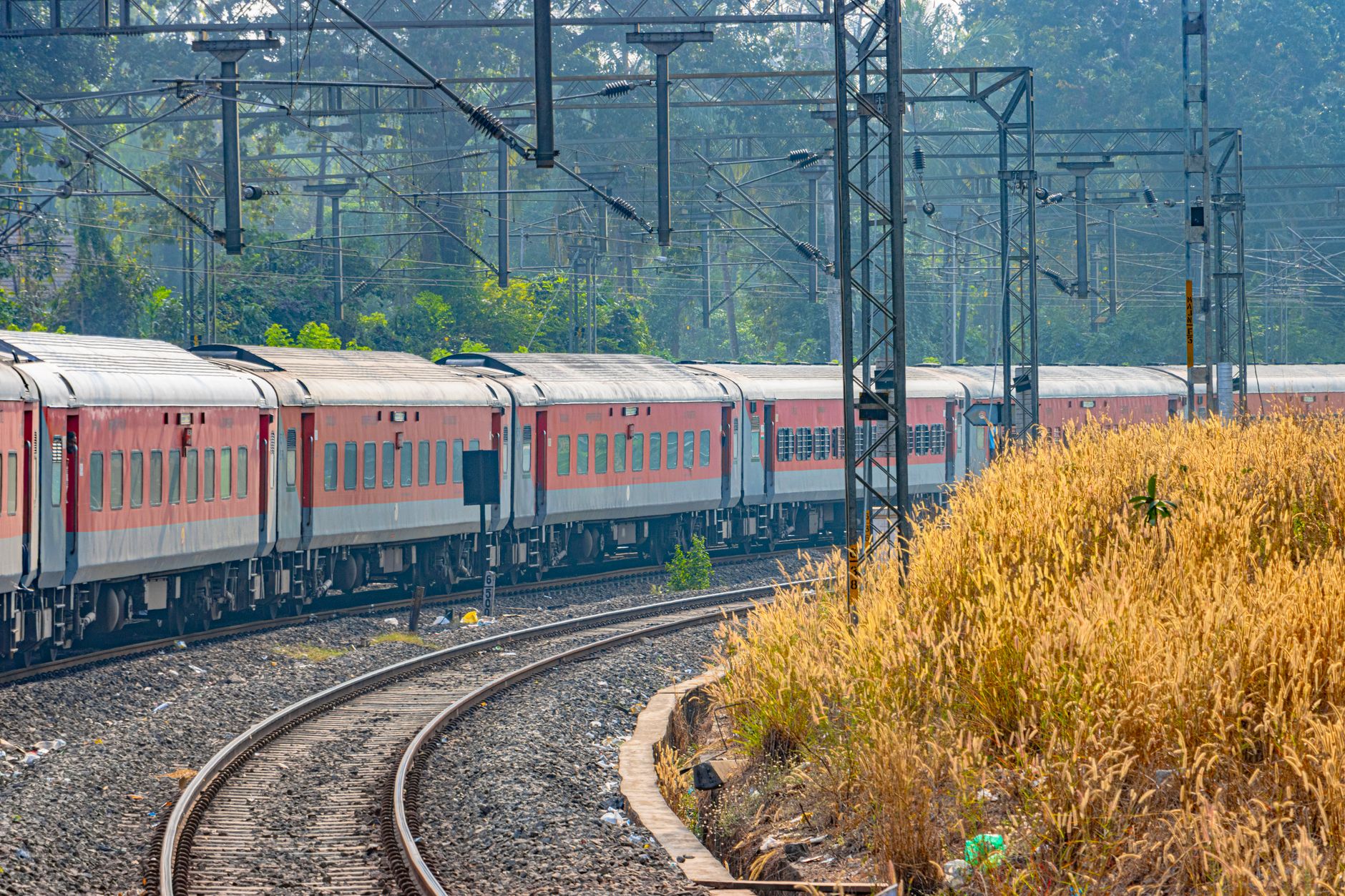
Indian Railways Projects: Safe and Proven Infrastructure Boost

Indian Railways projects aim to strengthen safety and freight capacity across the network. With an investment of over INR 800 crore, these initiatives promise to enhance infrastructure.

Overview of Indian Railways Projects

The Indian Railways has recently approved a series of significant projects aimed at enhancing safety and freight capacity across its network. With an investment exceeding INR 800 crore, these initiatives are set to modernize infrastructure and improve overall operational efficiency.

Among the key objectives of these Indian Railways projects are:

  • Upgrading signaling systems: Implementing advanced technology to ensure safer train operations.
  • Enhancing track infrastructure: Strengthening tracks to accommodate higher speeds and heavier loads.
  • Building new freight terminals: Expanding capacity to handle increasing cargo traffic effectively.
  • Improving passenger amenities: Renovating stations to provide better facilities for travelers.

These developments are part of a broader strategy by the Indian Railways to not only boost freight capacity but also to provide a safer and more reliable travel experience. As the demand for rail transport continues to grow, these projects represent a crucial step towards sustaining the future of India’s railway infrastructure.

Importance of Safety in Indian Railways Projects

Ensuring safety is paramount in the execution of Indian Railways projects, as the organization strives to maintain and enhance the reliability of its vast network. The recent clearance of over INR 800 crore projects underscores this commitment, aiming to fortify infrastructure and improve freight capacity while prioritizing passenger safety.

Key safety measures include:

  • Upgraded Signaling Systems: Implementation of modern signaling technology to prevent accidents and improve operational efficiency.
  • Track Rehabilitation: Regular maintenance and upgrading of tracks to prevent derailments and ensure smooth train operations.
  • Advanced Surveillance: Use of CCTV and drones to monitor railway assets and enhance security at stations.
  • Emergency Response Plans: Establishing quick response protocols to address any incidents effectively.

With these initiatives, Indian Railways projects aim not only to expand capacity but also to instill confidence in the safety of train travel. As the backbone of the nation’s transport infrastructure, prioritizing safety will ensure that Indian Railways continues to serve millions effectively and reliably.

Freight Capacity Enhancement through Indian Railways Projects

Indian Railways is taking significant strides in enhancing its freight capacity through a series of well-planned projects. Recent approvals for over INR 800 crore in investments aim to strengthen the infrastructure and improve the efficiency of cargo transportation across the nation.

The primary objective of these initiatives is to bolster the existing freight network, allowing for a more robust and reliable supply chain. By upgrading railway lines and enhancing loading and unloading facilities, Indian Railways projects are set to facilitate smoother operations for freight trains. This is expected to not only reduce transit times but also minimize the overall cost of logistics.

Key aspects of the freight capacity enhancement include:

  • Modernization of freight terminals: Upgrading facilities to handle a larger volume of goods.
  • Expansion of railway lines: Increasing the overall network capacity to accommodate more freight trains.
  • Implementation of advanced technology: Utilizing digital solutions for better monitoring and management of freight operations.

Through these focused efforts, Indian Railways projects are poised to significantly enhance the freight capacity, supporting the nation’s economic growth and development.

Investment Breakdown for Indian Railways Projects

The Indian Railways has recently allocated significant funding to enhance its infrastructure and safety measures, amounting to over INR 800 crore. This investment is a part of a larger strategy to modernize Indian Railways projects and improve operational efficiency.

The breakdown of this investment is as follows:

  • Safety Infrastructure: Approximately INR 350 crore has been earmarked for upgrading signaling systems and enhancing track safety features.
  • Freight Capacity Expansion: INR 250 crore will be used to develop new freight terminals and increase the capacity of existing ones to accommodate growing demand.
  • Passenger Amenities: Around INR 200 crore is designated for improving passenger facilities at various stations, ensuring a better travel experience.

These investments in Indian Railways projects not only aim to bolster safety but also focus on easing the logistical challenges faced by freight transport. By prioritizing infrastructure upgrades, Indian Railways is paving the way for more reliable and efficient services, which is essential for economic growth.

Future of Indian Railways Projects

The future of Indian Railways projects looks promising as the government continues to prioritize safety and infrastructure development. With a substantial allocation of over INR 800 crore for various initiatives, the aim is to enhance both safety measures and freight capacity across the network.

As part of these projects, several key areas are set to receive upgrades:

  • Technological Advancements: Implementation of modern signaling systems and automated monitoring to improve operational efficiency.
  • Infrastructure Development: Construction of new tracks and renovation of existing stations to accommodate increasing passenger and freight demands.
  • Safety Enhancements: Installation of surveillance systems and upgraded emergency response protocols to ensure passenger safety.

These initiatives not only aim to boost the overall capacity of the railway system but also to ensure a safer travel experience for millions of commuters. As the Indian Railways projects progress, stakeholders remain optimistic about the long-term benefits these enhancements will bring to the economy and the environment.

Community Impact of Indian Railways Projects

The recent initiatives taken by Indian Railways projects aim not only to enhance safety and freight capacity but also to create a positive community impact. These projects are designed with the welfare of local populations in mind, ensuring that the benefits extend beyond just rail infrastructure.

Through various developmental programs, Indian Railways is fostering economic growth in surrounding regions. Some of the key community impacts include:

  • Job Creation: New projects generate employment opportunities for local residents, both during construction and in ongoing operations.
  • Improved Connectivity: Enhanced rail infrastructure facilitates better access to markets, education, and healthcare services for nearby communities.
  • Environmental Considerations: Many projects include eco-friendly initiatives, reducing pollution and promoting sustainable practices.
  • Community Engagement: Indian Railways is involving local stakeholders in the planning and execution stages, ensuring that projects meet the specific needs of the communities affected.

These efforts signify a commitment to not only improving transportation but also uplifting the communities that rely on these vital services. The focus on Indian Railways projects reflects a comprehensive approach to development that prioritizes safety and community well-being.

Photo by Shantum Singh on Pexels

Sources

Related reading