Mini Data Center Launch: The Best Space Tech Move Yet

The mini data center is poised to change the landscape of technology as Google prepares to launch it into space next week. This innovative project aims to tap into a lucrative market.

What is a Mini Data Center?

A mini data center is a compact and efficient solution designed to process and store data in a smaller footprint compared to traditional data centers. These innovative systems offer significant advantages, particularly in terms of scalability and resource management.

Typically, a mini data center includes essential components such as servers, storage units, and network equipment, all integrated into a single unit. These systems are often modular, allowing organizations to expand their capabilities as their data needs grow.

One of the most exciting developments in this field is the application of mini data centers in space. With the upcoming launch by Google as part of Project Suncatcher, the concept of floating data centers in orbit could revolutionize how data is processed and managed. This approach not only addresses growing data demands but also leverages the unique conditions of space, such as cooling benefits and optimized power usage.

The market for mini data centers is projected to reach $28.16 billion, driven by the increasing need for efficient data management solutions across various industries. By embracing these technologies, companies can enhance their operational efficiency while reducing their environmental footprint.

In summary, mini data centers represent a significant advancement in data technology, offering a promising avenue for future growth and innovation.

Google’s Vision for Space Technology

Google has unveiled an ambitious plan to integrate a mini data center into its space technology initiatives, marking a significant leap in how data processing could be conducted beyond Earth. This forward-thinking project aligns with Google’s commitment to innovation and sustainability, with mini data centers expected to play a crucial role in future space missions.

As part of Project Suncatcher, the company aims to explore how these compact data centers can operate in the harsh environment of space, providing valuable insights for both terrestrial and extraterrestrial applications. The opportunity to harness the power of the sun for energy generation while processing vast amounts of data in real-time could redefine the landscape of space exploration and satellite operations.

Key benefits of launching mini data centers into space include:

  • Reduced latency: Data can be processed closer to its source, enhancing communication efficiency.
  • Energy efficiency: Utilizing solar power can significantly lower operational costs.
  • Innovative applications: New possibilities for data storage and processing in extreme conditions.

As the market for space technology is projected to reach $28.16 billion, Google’s vision for mini data centers could pave the way for future advancements in both space and data management.

The Market Potential of Space Data Centers

The potential market for mini data centers in space is rapidly expanding, driven by the increasing demand for data processing and storage solutions beyond Earth. As technology continues to evolve, the feasibility of deploying mini data centers in orbit presents a unique opportunity for businesses and researchers alike.

Industry analysts project that the market for space-based data centers could reach an impressive $28.16 billion by 2025. This growth is fueled by factors such as:

  • Advancements in satellite technology: Improvements in satellite capabilities enable more efficient data transmission and processing.
  • Increased demand for data storage: With the surge in data generation from various sectors, including IoT and AI, the need for scalable storage solutions is paramount.
  • Enhanced connectivity: Space data centers can provide reliable connectivity in remote areas where traditional infrastructure is lacking.

Moreover, companies are recognizing the strategic advantage of positioning data processing closer to the source of data generation. This shift toward mini data centers not only reduces latency but also optimizes data management practices. As Google ventures into this uncharted territory with its Project Suncatcher, the implications for the tech industry could be transformative.

Challenges in Launching Tech into Space

The launch of mini data centers into space is a groundbreaking endeavor, but it comes with its own set of challenges. The technology required to operate efficiently in a microgravity environment is still being developed, and ensuring the reliability of these systems is paramount.

One of the primary concerns is thermal management. In space, temperatures can fluctuate dramatically, which could impact the performance of the mini data center. Engineers must design systems that can withstand extreme conditions while maintaining optimal operational efficiency.

Additionally, communication latency presents another hurdle. Data centers rely on constant communication with Earth-based systems, and the distance can introduce delays that complicate data processing and retrieval. This necessitates advancements in satellite communication technology to ensure seamless connectivity.

There are also significant financial implications involved in launching mini data centers into orbit. The costs associated with building, launching, and maintaining these facilities can be substantial. Investors and companies must weigh these expenses against the potential market benefits, projected to reach $28.16 billion.

Despite these challenges, the potential rewards of deploying mini data centers in space could revolutionize how we process and store data, making it a frontier worth exploring.

The launch of the mini data center marks a significant step forward in space technology. With its compact design and efficient performance, the mini data center is set to revolutionize how we handle data in remote locations.

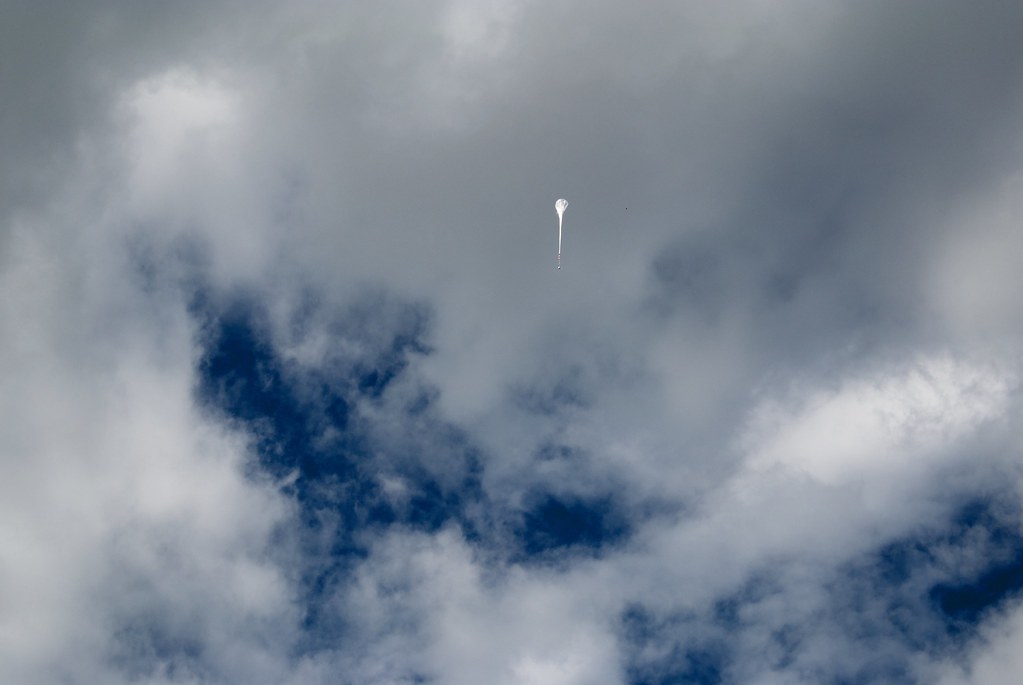
By NASA Goddard Space Flight Center via Openverse

Where this came from

24/7 Wall St.

You might also like

India Mobile Congress: The Best Platform for Global Tech Brands · Lemon Tree Hotels: Smart Move with New Nashik Location · Residential Living Kolkata: The Best Proven Solutions

Apple September 9 Event: Best New Products You Must See

Apple September 9 Event is set to showcase not just the iPhone 18 Pro, but also a range of major new products that could redefine the smart-home landscape.

What to Expect from Apple September 9 Event

The highly anticipated Apple September 9 Event is just around the corner, and tech enthusiasts worldwide are eager to see what the company has in store. While the spotlight often shines on the latest iPhone models, this event promises to showcase a variety of innovative products that could redefine user experiences.

Rumors suggest that alongside the iPhone 18 Pro, Apple may unveil:

  • New Apple Watch models with advanced health monitoring features
  • Updated AirPods with enhanced audio capabilities
  • Improvements to the iPad lineup, potentially including a new design
  • Software updates for iOS and macOS that enhance functionality

As anticipation builds, fans are left wondering which of these potential products will make their debut at the Apple September 9 Event.

Key Features of the iPhone 18 Pro

The highly anticipated Apple September 9 Event is set to unveil the iPhone 18 Pro, featuring a host of impressive upgrades that are generating excitement among tech enthusiasts. Here are some key features expected from the new device:

  • Enhanced Camera System: With a new triple-lens setup, the iPhone 18 Pro promises improved low-light performance and advanced computational photography capabilities.
  • Faster Processor: The upcoming A17 chip is rumored to deliver unparalleled speed and efficiency, making multitasking smoother than ever.
  • ProMotion Display: An upgraded display with a 120Hz refresh rate is anticipated, providing more responsive scrolling and stunning visuals.
  • Improved Battery Life: Users can expect longer usage time between charges, thanks to optimizations in both hardware and software.
  • New Color Options: Apple is expected to introduce fresh color variants, allowing users to express their style.

New Smart Home Devices Launching Soon

As excitement builds for the Apple September 9 Event, tech enthusiasts are eagerly anticipating the launch of several innovative smart home devices. Apple has been steadily expanding its ecosystem, and this event promises to unveil products that enhance connectivity and convenience in daily life.

Among the rumored devices are:

  • Smart Home Hub: A new central control unit that integrates all Apple smart devices seamlessly.
  • Updated HomePod: Featuring improved sound quality and enhanced smart assistant capabilities.
  • Smart Security Camera: Equipped with advanced AI for real-time monitoring and alerts.

These new offerings are expected to work harmoniously with existing Apple products, creating a more cohesive home environment. As the Apple September 9 Event approaches, consumers are eager to see how these devices will redefine home automation and security.

Apple’s Vision for Home Automation

As part of its vision for home automation, Apple is set to introduce innovative features at the Apple September 9 Event that could redefine the smart home experience. The company aims to integrate its ecosystem even further, allowing users to control various devices seamlessly through their Apple products.

Among the anticipated announcements are:

  • Enhanced HomeKit Integration: Apple is expected to unveil updates that improve the compatibility of HomeKit with third-party devices, making it easier for users to manage their smart homes.
  • New HomePod Features: A revamped HomePod may offer advanced sound capabilities and improved voice recognition, enhancing user interaction.
  • Smart Lighting Solutions: Apple could showcase new smart lighting options that sync with other devices, providing a cohesive atmosphere throughout the home.

With these advancements, the Apple September 9 Event promises to enhance how consumers interact with their living spaces, making home automation more intuitive and accessible.

Comparing Apple’s Latest Offerings

The Apple September 9 Event showcased a variety of innovative products that are set to redefine user experience. Among the highlights, the latest iPhone 18 Pro stands out with its advanced camera technology and improved battery life. However, Apple has also introduced significant upgrades across its product range.

One of the most exciting new offerings is the updated Apple Watch, which now features enhanced health monitoring capabilities, including a blood glucose sensor. Additionally, the new AirPods Pro boast improved noise cancellation and longer battery duration, making them a must-have for audiophiles.

In the realm of smart home technology, Apple has expanded its HomePod lineup, integrating even more functionality with Siri for a seamless smart home experience. Overall, the Apple September 9 Event not only spotlighted the iPhone 18 Pro but also highlighted Apple’s commitment to innovation across its entire ecosystem.

  • iPhone 18 Pro with enhanced features
  • Updated Apple Watch with advanced health tracking
  • New AirPods Pro with superior sound quality
  • Expanded HomePod lineup for smart home integration

Expert Predictions for Apple September 9

As the Apple September 9 Event approaches, experts are buzzing with predictions about what new innovations the tech giant might unveil. Many industry analysts believe that, alongside the highly anticipated iPhone 18 Pro, Apple could introduce a range of intriguing products that may surprise consumers.

Among the speculated launches are:

  • Apple Watch Series 10: Enhancements in health tracking features and a sleeker design are expected.
  • AirPods Pro 3: Improved sound quality and active noise cancellation are on the wish list.
  • New iPad Models: Potential updates in design and performance may be revealed.
  • HomePod Mini Updates: Enhanced audio capabilities and new colors could be part of the lineup.

With the company’s commitment to innovation, the Apple September 9 Event promises to be a showcase of cutting-edge technology that could redefine consumer experiences.

How to Stream the Event Live

For those eager to watch the Apple September 9 Event live, there are several ways to stream the highly anticipated showcase. Apple typically provides a direct live stream on its official website, making it easily accessible for fans worldwide. Here’s how you can ensure you don’t miss any announcements:

  • Apple’s Official Website: Visit the Apple homepage on the day of the event to access the live stream.
  • YouTube: Apple often streams events on their official YouTube channel, providing a platform for viewers to tune in from various devices.
  • Apple TV: If you own an Apple TV, you can watch the event through the Apple Events app.
  • Social Media: Follow Apple’s official social media accounts for live updates and highlights from the event.

Be sure to check your local time zone so you can join the excitement as it unfolds during the Apple September 9 Event!

Post-Event Analysis and Highlights

The Apple September 9 Event showcased a variety of groundbreaking products that have captured the attention of tech enthusiasts worldwide. Not only did the much-anticipated iPhone 18 Pro make headlines, but several other innovations also stood out.

  • Apple Watch Series 10: This latest model features advanced health monitoring capabilities, including blood pressure tracking and enhanced fitness metrics.
  • iPad Air 6: With a new M2 chip, the iPad Air 6 promises improved performance, making it an ideal choice for creatives and professionals alike.
  • AirPods Pro 3: The new iteration offers superior sound quality and an innovative noise cancellation feature, setting a new standard for audio experiences.

Moreover, Apple’s vision for home automation was further elaborated during the event, highlighting seamless integration across devices. The Apple September 9 Event truly delivered on expectations, leaving fans eager for these products to hit the market.

Photo by Mahmoud Ramadan on Pexels

Read the original

Related reading