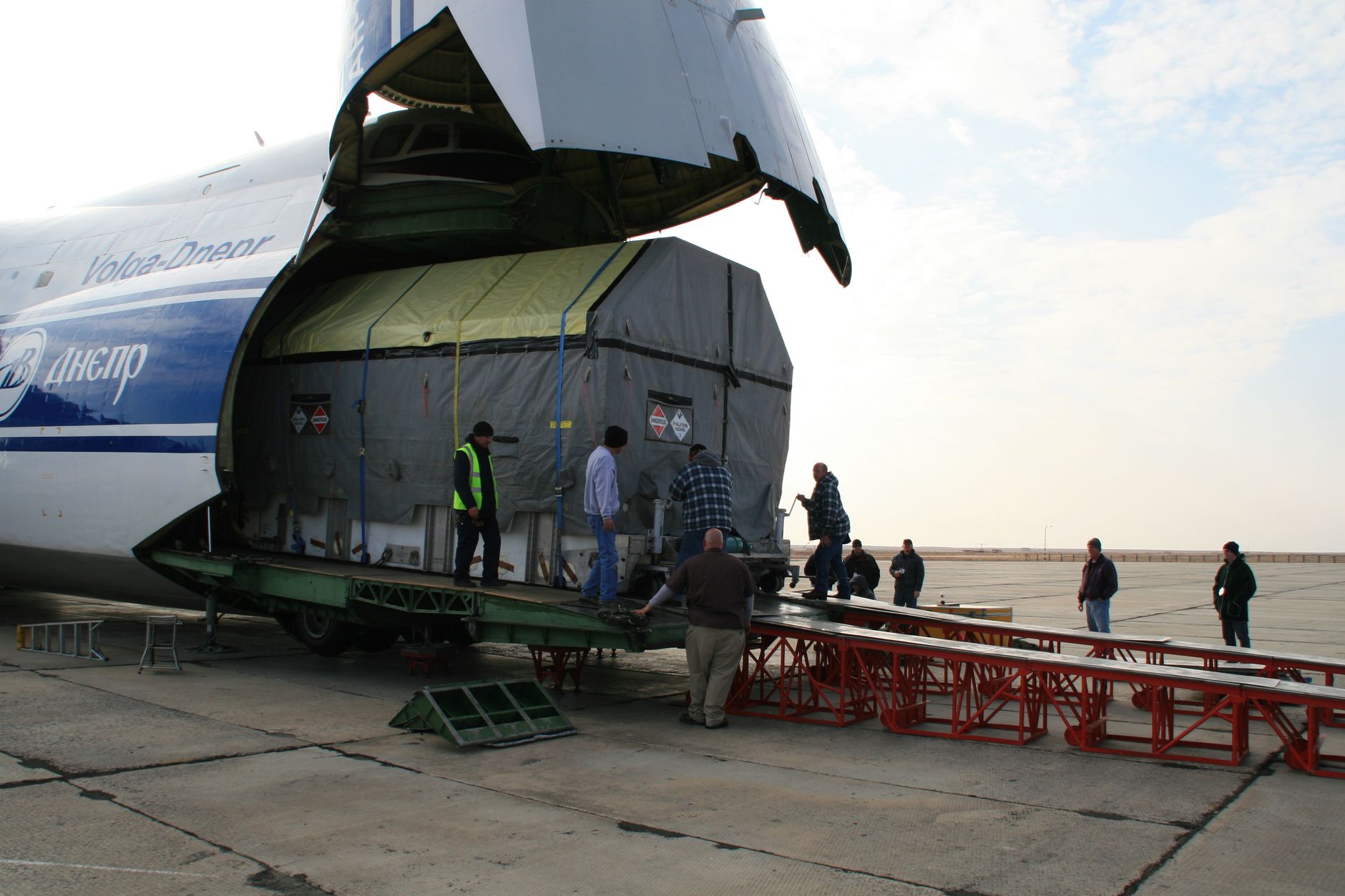

Tashkent International Airport project: A Quick Proven Success
The Tashkent International Airport project has commenced initial activities, signaling a major advancement in infrastructure development for the region.
Overview of the Tashkent International Airport project
The Tashkent International Airport project aims to transform the existing airport into a state-of-the-art facility that meets international standards. This ambitious initiative is part of Uzbekistan’s broader strategy to enhance its transportation infrastructure and boost tourism.
Key features of the Tashkent International Airport project include:
- Expansion of Terminal Capacity: The new design will accommodate a significant increase in passenger traffic, ensuring a smooth travel experience.
- Modern Facilities: The airport will feature advanced technologies for security and check-in processes, making air travel more efficient.
- Enhanced Connectivity: Improved runway systems and taxiways will facilitate more flights and better connections with global destinations.
With initial activities already underway, the Tashkent International Airport project is poised to become a cornerstone of the region’s development and economic growth.
Significance of the new airport for Tashkent
The significance of the new Tashkent International Airport project cannot be overstated. It is set to transform the aviation landscape of Uzbekistan and enhance connectivity for both local and international travelers.
This ambitious project aims to:
- Boost economic growth: By improving air travel infrastructure, the airport is expected to attract foreign investment and promote tourism.
- Enhance regional connectivity: The new airport will facilitate easier access to Central Asia, positioning Tashkent as a key transit hub.
- Improve passenger experience: With modern facilities, travelers will enjoy enhanced comfort and efficiency, making air travel more appealing.
- Create job opportunities: The construction and operation of the airport will generate numerous employment opportunities for the local population.
Overall, the Tashkent International Airport project represents a significant step forward for the nation’s infrastructure and economic potential.
Timeline for the Tashkent International Airport development
The timeline for the Tashkent International Airport project has been meticulously planned to ensure timely completion and efficient operations. Key milestones include:
- Groundbreaking Ceremony: The official start of construction took place in early 2023, marking the beginning of a significant transformation in the region’s aviation landscape.
- Completion of Phase One: Expected by the end of 2024, this phase will focus on the construction of the main terminal and runways.
- Operational Launch: The airport is projected to commence operations in mid-2025, providing a modern gateway for international travelers.
- Future Expansion: Plans for further expansion and additional facilities will follow, enhancing the capacity of the Tashkent International Airport in response to growing demand.
This timeline reflects a commitment to advancing the airport’s development while catering to the increasing needs of air traffic in Tashkent.
Impact on local economy and employment
The Tashkent International Airport project is poised to have a significant positive impact on the local economy and employment landscape. With the development of the new airport, it is anticipated that thousands of job opportunities will emerge, both during the construction phase and once the airport becomes operational.
Local businesses are expected to benefit from increased demand for services and products, as travel and tourism will likely surge. This project is not just about infrastructure; it represents a catalyst for economic growth in the region.
Furthermore, the influx of travelers will boost hospitality sectors, including hotels, restaurants, and transport services, creating a ripple effect throughout the community. As the Tashkent International Airport project progresses, local residents can look forward to enhanced job prospects and a more vibrant economic environment.
- Job creation in construction and operations
- Support for local businesses
- Increased tourism and travel opportunities
Challenges faced during the project initiation
The Tashkent International Airport project faced several challenges during its initiation phase. Key hurdles included regulatory approvals and securing necessary funding to kickstart the project.
- Regulatory Delays: Navigating through the complex legal framework in Uzbekistan slowed down the approval process, causing initial timelines to extend.
- Funding Issues: Attracting investment posed a significant challenge, as stakeholders sought assurance regarding the project’s long-term viability.
- Logistical Concerns: Coordinating with multiple contractors and suppliers added layers of complexity, impacting the overall project timeline.
- Community Engagement: Engaging local communities and addressing their concerns regarding the airport’s environmental impact required extensive dialogue and negotiation.
Despite these obstacles, project leaders remained optimistic, emphasizing the Tashkent International Airport project’s potential to transform the region’s connectivity and economic landscape.
Future plans for airport expansion and modernization
The Tashkent International Airport project is set to expand further as plans for modernization are unveiled. These initiatives aim to enhance passenger experience and operational efficiency, ensuring the airport meets international standards.
Key future plans include:
- Terminal Expansion: Increasing passenger capacity to accommodate growing air traffic.
- Runway Enhancements: Upgrading runways to handle larger aircraft and improve safety measures.
- Technology Integration: Implementing advanced security and check-in systems for streamlined operations.
- Sustainable Practices: Incorporating eco-friendly designs to minimize environmental impact.
These developments are not only crucial for Tashkent but also position the airport as a key hub in Central Asia, fostering connectivity and economic growth. The ongoing commitment to the Tashkent International Airport project showcases the vision for a state-of-the-art travel facility.
Photo by Ron Pedersen on Pexels