Hobart home prices are the only ones in Australia to avoid declines, setting it apart from other capitals. This unique trend raises questions about the city’s real estate market.
Overview of Hobart’s Real Estate Market
Hobart’s real estate market has shown remarkable resilience in 2023, making it the only capital city to avoid a decline in home prices. Unlike other major cities in Australia, Hobart has experienced stability despite broader economic challenges. This unique situation can be attributed to several factors.
Population Growth: The city has seen a steady influx of new residents seeking affordable housing options.
Limited Supply: A constrained housing supply has kept demand high, preventing significant price drops.
Investment Opportunities: Hobart is becoming increasingly attractive to investors looking for growth potential.
These elements have combined to create a strong foundation for Hobart home prices, making the city an appealing location for buyers and investors alike.
Factors Keeping Home Prices Stable
Hobart home prices have demonstrated remarkable stability amid fluctuating real estate markets across Australia. Several key factors contribute to this resilience:
Strong Demand: The city’s picturesque landscapes and vibrant community continue to attract buyers, both local and from interstate.
Limited Supply: A shortage of available properties has kept competition high, which helps maintain price levels.
Economic Growth: Hobart’s economy has shown robust performance, supporting job growth and increasing purchasing power.
Government Initiatives: Programs aimed at first-home buyers and investments in infrastructure have bolstered market confidence.
Desirable Lifestyle: The appeal of a more relaxed pace of life and access to nature has made Hobart a sought-after location.
These factors collectively ensure that Hobart remains the only capital city to avoid decline in home prices, setting it apart from other markets in Australia.
Comparison with Other Capital Cities
In contrast to other Australian capital cities, Hobart home prices have shown remarkable resilience. Recent data indicates that while cities like Sydney and Melbourne have experienced significant declines, Hobart has maintained its upward trajectory. This stability can be attributed to a unique blend of factors.
Key comparisons include:
Sydney: Home prices have dropped by over 10% in the past year due to rising interest rates and increased supply.
Melbourne: Similarly, the market faced a downturn, with prices falling around 8% in the same period.
Brisbane: Although prices have remained somewhat stable, they have not matched the growth seen in Hobart.
As Hobart continues to attract buyers seeking affordability and a high quality of life, its home prices are expected to remain strong, diverging from the trends seen in other major cities.
Future Predictions for Hobart Housing
As the housing market continues to fluctuate, predictions for Hobart home prices remain optimistic. Experts believe that the city’s unique characteristics will support sustained demand, ensuring that home values do not experience significant declines like those seen in other capitals.
Key factors influencing future stability include:
Population Growth: An influx of new residents is expected, driven by the city’s appealing lifestyle and job opportunities.
Limited Supply: The constrained availability of properties in Hobart is likely to keep prices buoyant.
Investment Interest: Increased interest from investors looking for stable returns may further bolster the market.
In summary, Hobart home prices are projected to remain resilient, making it an outlier among Australian capital cities facing potential downturns.
Rent vs Buy is a crucial decision for many individuals. Understanding the nuances of this choice can help you determine the best financial path for your future.
Understanding the Rent vs Buy Debate
The debate over whether to rent or buy a home has been a longstanding discussion among potential homeowners. Many people believe that renting is merely throwing money away, but this perspective doesn’t always apply universally. It’s essential to understand the nuances in the rent vs buy debate.
Renting offers flexibility, allowing individuals to relocate without the burden of selling a property. In contrast, buying a home can build equity over time, providing a sense of stability and long-term investment. However, homeownership comes with additional costs such as maintenance, property taxes, and insurance.
When considering the rent vs buy decision, one must evaluate personal circumstances, including:
Financial stability and creditworthiness
Job location and career mobility
Future plans regarding family and lifestyle
The current real estate market conditions
Each option has its advantages and drawbacks, making it crucial for individuals to assess their priorities and financial situations.
Financial Implications of Renting
The decision to rent or buy a home often hinges on various financial implications that can significantly impact one’s future. While many believe that renting is simply wasted money, the reality is more nuanced.
When considering the financial implications of renting, it’s essential to weigh both short-term and long-term costs:
Monthly Expenses: Rent typically requires lower monthly payments compared to a mortgage, making it easier to manage cash flow.
Maintenance Costs: Renters generally are not responsible for major repairs, which can lead to substantial savings over time.
Market Flexibility: Renting allows for easier relocation and less commitment to a fluctuating housing market.
Investment Opportunities: Money saved from renting can be invested elsewhere, potentially yielding higher returns than homeownership.
Ultimately, the decision between rent vs buy should align with one’s financial goals and lifestyle preferences.
Key Benefits of Buying a Home
When considering the Rent vs Buy debate, it’s essential to recognize the key benefits of purchasing a home. Owning property can provide several advantages that renting may not offer.
Equity Building: Every mortgage payment contributes to your equity, which can be a valuable asset over time.
Stability: Homeownership often provides more stability in housing costs, as mortgage payments can be fixed, unlike rent that may increase.
Tax Benefits: Homeowners may benefit from tax deductions on mortgage interest and property taxes, which can lead to significant savings.
Personalization: Owning a home allows for customization and renovations, enabling you to create a living space that reflects your personal style.
Community Investment: Buying a home often fosters a sense of community and belonging, as homeowners tend to stay longer in one place.
These benefits highlight why many view buying as a smart long-term choice in the Rent vs Buy discussion.
Market Trends in Real Estate
As the real estate market continues to evolve, understanding current trends is essential for making informed decisions about whether to rent or buy. Recent data indicates that home prices have been steadily increasing, which may push potential buyers to act quickly. However, rental prices have also seen a significant rise, making the rent vs buy decision more complex.
Many experts suggest that the choice between renting and buying should depend on individual circumstances, such as job stability and personal financial goals. For instance, some markets are experiencing high demand for rentals, leading to competitive pricing that might deter renters. Conversely, the low mortgage rates observed in recent years have made buying more appealing, even with fluctuating home prices.
Ultimately, potential homeowners and renters alike need to analyze their local market conditions, interest rates, and long-term financial plans. Making a strategic choice now could lead to significant savings or benefits in the future.
Common Misconceptions About Renting
When considering the Rent vs Buy debate, many people hold misconceptions that can lead to poor financial decisions. One common belief is that renting is simply throwing money away. However, this perspective overlooks several important factors.
First, renting often provides flexibility that homeownership cannot match. This is particularly beneficial for individuals who may need to relocate for work or personal reasons. Additionally, renting can free up funds for investments that may yield higher returns than home equity.
Another misconception is that homeownership is always a better long-term investment. While it can be, market fluctuations can lead to depreciation, making buying a home risky in certain circumstances. Furthermore, the costs associated with home maintenance, property taxes, and insurance can add up, sometimes surpassing the perceived benefits of ownership.
Ultimately, it is crucial to weigh the pros and cons of both options to determine what aligns best with your financial goals and lifestyle.
Making the Right Choice for You
Deciding between renting and buying a home is a significant choice that can impact your financial future. To make the right choice for you, consider the following factors:
Personal circumstances: Your lifestyle, job stability, and family plans play a crucial role in this decision. If you expect to move frequently, renting may be more suitable.
Financial readiness: Assess your savings, credit score, and debt levels. Buying often requires a substantial upfront investment, while renting usually requires a smaller deposit.
Long-term goals: If you plan to stay in one place for several years, buying can be a wise investment. However, if flexibility is essential, renting might be the better option.
Market conditions: Stay informed about local real estate trends. Sometimes, the rent vs buy analysis shifts based on current market dynamics.
Ultimately, understanding your unique situation will guide you towards the best choice for your future.
Luxembourg apartment prices are now the highest in Europe, according to a recent Deloitte ranking. This development raises concerns for potential homebuyers and investors alike.
Overview of Luxembourg’s Real Estate Market
Luxembourg is currently facing a significant challenge in its real estate market, as it has been reported to have the highest prices for new apartments in Europe, according to a recent Deloitte ranking. This steep increase in Luxembourg apartment prices presents a serious issue for both potential homeowners and renters in the country.
The demand for housing in Luxembourg has surged in recent years, driven by a growing number of expatriates and an expanding economy. However, the limited supply of available apartments has exacerbated the situation, leading to a competitive market where prices continue to rise.
Several factors contribute to the high cost of living in Luxembourg:
Economic Growth: The country’s robust economy attracts professionals from various sectors, increasing demand for residential properties.
Limited Space: As a small nation, Luxembourg has geographical constraints that limit the expansion of housing developments.
High Construction Costs: The expenses associated with building new apartments have also risen, further inflating prices.
As a result, many residents find themselves priced out of the market, with Luxembourg apartment prices becoming a growing concern for families and individuals seeking affordable housing options. If trends continue, the real estate market may face further scrutiny as citizens call for more sustainable solutions to this pressing issue.
Factors Driving High Apartment Prices
The surge in Luxembourg apartment prices can be attributed to several interrelated factors that create a challenging environment for potential buyers.
Limited Supply: The availability of new apartments in Luxembourg is significantly constrained. With a growing population and limited land for development, the supply of housing cannot keep pace with demand.
High Demand: The influx of international workers, particularly from neighboring countries, has driven up demand for housing. Many individuals are drawn to Luxembourg for its strong economy and vibrant job market, further exacerbating the situation.
Investment Appeal: Luxembourg is considered a safe haven for real estate investment. Investors, both local and foreign, view properties in the region as valuable assets, which contributes to escalating prices.
Construction Costs: Rising construction costs due to material shortages and labor issues have added to the overall price of new apartments. These increased expenses are often passed on to buyers.
Government Regulations: While regulations are intended to manage the housing market, they can sometimes have the unintended effect of restricting development and driving prices higher.
As a result of these factors, Luxembourg apartment prices remain among the highest in Europe, presenting significant challenges for those hoping to enter the market.
Comparative Analysis with Other European Cities
The latest data reveals that Luxembourg apartment prices are not only soaring domestically but are also making a significant impact when compared to other European cities. A comparative analysis highlights the troubling trend of escalating costs, positioning Luxembourg as one of the priciest markets in Europe.
In the context of major European capitals, the following cities have been analyzed for their apartment prices:
Paris: Known for its charm and rich history, Paris has consistently high apartment prices, yet it often pales in comparison to those found in Luxembourg.
London: The capital of the United Kingdom grapples with high living costs, particularly in central areas, but still ranks lower than Luxembourg in terms of new apartment prices.
Berlin: Once considered affordable, Berlin’s market has surged recently, but it remains more accessible than the staggering prices seen in Luxembourg.
Amsterdam: This vibrant city has experienced rapid price growth, yet its average apartment costs are still eclipsed by those in Luxembourg.
The data indicates that while many cities face challenges with their real estate markets, Luxembourg apartment prices consistently lead the pack, reflecting a unique and troubling economic landscape. This trend raises concerns about affordability and sustainability for residents in the Grand Duchy.
Impact on Local Residents
The rising Luxembourg apartment prices have had a significant impact on local residents, many of whom are struggling to keep up with the soaring costs of housing. As the demand for apartments continues to outpace supply, long-time residents are finding it increasingly difficult to afford suitable living conditions in their own city.
Many families are being forced to make tough decisions regarding their housing options. The situation has led to a proliferation of shared accommodations, where multiple families or individuals are living under one roof to mitigate expenses. This trend has altered the fabric of communities, as longstanding neighbors move away in search of more affordable options.
The financial strain is not limited to those seeking to buy property; renters are also facing exorbitant monthly costs. With rental prices climbing at an alarming rate, many are compelled to allocate a significant portion of their income towards housing, leaving little room for other essential expenses.
Moreover, the increasing costs are pushing out younger residents and first-time buyers, who are unable to enter the housing market. This has sparked concerns about the long-term viability of Luxembourg as a diverse and inclusive place to live.
In light of these challenges, local advocacy groups are calling for government intervention to address the housing crisis and to introduce measures that could stabilize Luxembourg apartment prices moving forward.
Future Trends in Luxembourg Housing
As Luxembourg continues to grapple with soaring apartment prices, experts predict that the future of the housing market may be influenced by several emerging trends. One significant factor is the anticipated increase in demand for sustainable living options. With a growing emphasis on eco-friendly developments, many developers may begin to integrate green technologies into their projects, potentially affecting overall costs.
Additionally, the influx of international workers, particularly in the finance and tech sectors, is likely to maintain pressure on apartment prices in Luxembourg. This demographic shift is expected to drive up demand in urban centers, leading to a greater scarcity of affordable housing options. As a result, prices are projected to continue their upward trajectory, solidifying Luxembourg’s position as a leader in high-cost real estate.
Moreover, government initiatives aimed at increasing housing supply may offer some relief, but the effectiveness of these measures remains to be seen. Analysts suggest that while construction projects may help alleviate some pressure, they may not be sufficient to counterbalance the overwhelming demand for new apartments.
In summary, as Luxembourg apartment prices reach unprecedented levels, the combination of sustainable development, demographic changes, and government intervention will play pivotal roles in shaping the market’s future. Stakeholders will need to remain vigilant as these factors unfold, influencing both investors and residents alike.
Despite the allure of its picturesque landscapes and robust economy, Luxembourg apartment prices have surged to unprecedented levels. Recent studies indicate that Luxembourg apartment prices are now among the worst proven costs in Europe, making it increasingly difficult for residents to find affordable housing.
Record H1 sales of ₹58.62 billion demonstrate Sobha’s impressive growth in the real estate sector. New projects have significantly boosted their performance, leading to this remarkable achievement.
Overview of Sobha’s Performance
Sobha Ltd. has reported impressive financial results, achieving record H1 sales of ₹58.62 billion. This remarkable performance reflects the company’s strategic initiatives and the successful launch of new projects across various regions. The surge in sales can be attributed to increasing demand for quality housing and the company’s commitment to delivering excellence.
Key highlights of Sobha’s performance include:
Increased Sales Volume: A significant rise in the number of units sold, demonstrating strong market acceptance.
Diverse Projects: Expansion into new geographical areas and the introduction of innovative housing solutions.
Customer Trust: Continued focus on quality and transparency has strengthened customer confidence.
Overall, Sobha’s record H1 sales signify a proven success, showcasing the company’s resilience and adaptability in a competitive market.
Key Factors Behind Record Sales
The recent achievement of record H1 sales by Sobha can be attributed to several key factors that have significantly contributed to their success.
Strong Demand: There has been a robust demand for residential properties in key markets, driven by an increasing preference for quality living spaces.
New Project Launches: The launch of multiple new projects has energized the market, attracting a diverse clientele looking for modern amenities and prime locations.
Strategic Marketing: Effective marketing strategies and promotional campaigns have heightened brand visibility and engaged potential buyers more effectively.
Quality Construction: Sobha’s commitment to quality and timely delivery has fostered trust, encouraging repeat business and referrals.
These factors collectively underscore the company’s ability to achieve record H1 sales, reinforcing its position in the competitive real estate landscape.
Impact of New Projects on Growth
The impact of new projects on growth has been significant for Sobha, contributing directly to the company’s record H1 sales. The launch of several high-profile residential and commercial developments has attracted a surge in demand, reflecting the confidence of buyers in Sobha’s quality and brand reputation.
Key new projects include:
Sobha City in Gurgaon, featuring luxurious apartments and state-of-the-art amenities.
Sobha Dream Acres in Bangalore, which offers affordable housing without compromising on quality.
Sobha Royal Pavilion in Pune, renowned for its unique architectural design.
These initiatives have not only fueled sales but also enhanced Sobha’s market presence, leading to a robust financial performance. The company’s strategic approach to project launches is a testament to its commitment to achieving record H1 sales and sustainable growth in the real estate sector.
Market Trends in Real Estate
The real estate market has shown remarkable resilience and adaptability in recent months, contributing to the surge in record H1 sales for companies like Sobha. Key trends shaping the landscape include:
Increased Demand: A growing preference for high-quality residential projects has accelerated sales, with buyers seeking reliable investments.
Urbanization: Rapid urbanization continues to drive the need for housing, particularly in metropolitan areas, leading to a robust demand for new developments.
Technological Integration: The adoption of technology in real estate transactions has streamlined processes, making it easier for customers to engage with companies like Sobha.
Government Initiatives: Supportive policies and initiatives have fostered a favorable environment, encouraging home purchases and boosting overall market confidence.
These factors collectively contributed to Sobha achieving record H1 sales, indicating a promising outlook for the real estate sector.
Future Projections for Sobha
As Sobha continues to capitalize on its recent achievements, future projections indicate a sustained upward trajectory in sales. With the company reporting record H1 sales of ₹58.62 billion, analysts anticipate that this momentum will carry into the second half of the fiscal year.
Several factors contribute to these optimistic projections:
Expansion of Project Portfolio: Sobha’s commitment to launching innovative and high-quality developments is expected to attract more buyers.
Market Demand: Continued growth in urbanization and housing demand will likely support Sobha’s goals.
Strategic Partnerships: Collaborations with local agencies and developers may enhance market reach.
Overall, the potential for further record H1 sales remains strong, positioning Sobha as a key player in the real estate sector.
Comparative Analysis with Competitors
Sobha’s record H1 sales of ₹58.62 billion not only highlight its robust performance but also position it favorably against its competitors in the real estate sector. A comparative analysis reveals several key distinctions.
Market Position: Sobha has consistently ranked among the top developers, outpacing firms like Godrej Properties and Oberoi Realty in terms of sales volume.
Project Diversification: Unlike many competitors, Sobha offers a wide range of projects catering to various market segments, enhancing its appeal.
Brand Trust: The company’s commitment to quality and timely delivery has solidified its reputation, attracting a loyal customer base.
While other firms have reported steady growth, Sobha’s record H1 sales demonstrate its proven success and effective strategy in a competitive landscape, setting a benchmark for potential future achievements.
Investor Sentiment and Confidence
Investor sentiment surrounding Sobha has strengthened significantly following the announcement of the company’s record H1 sales, amounting to ₹58.62 billion. This remarkable achievement is seen as a testament to the firm’s strategic initiatives and robust project pipeline.
Confidence among investors is further bolstered by Sobha’s ability to adapt to evolving market conditions, effectively leveraging its new projects to enhance overall performance. The strong demand for residential and commercial properties has attracted positive attention from both domestic and international investors.
Furthermore, analysts predict a continuation of this positive trend, citing Sobha’s emphasis on quality and innovation as key drivers. As a result, many view the record H1 sales as not just a milestone, but as an indicator of sustained growth and stability in the future.
Increased investor interest
Positive market outlook
Strong fundamentals driving confidence
Conclusion and Takeaways
In conclusion, the remarkable achievement of record H1 sales of ₹58.62 billion by Sobha reflects not only the company’s robust strategy but also its ability to adapt to the evolving market. The factors contributing to this success, including the launch of new projects and a keen understanding of market trends, have positioned Sobha as a leader in the real estate sector.
Key takeaways from this performance include:
Strategic project launches are essential for maintaining growth.
Competitive analysis helps in identifying opportunities for improvement.
As Sobha moves forward, continued focus on innovation and customer satisfaction will be crucial in sustaining this momentum and achieving future targets.
Galway city house prices have seen a notable rise of 2.5% in the last three months. This increase has caught the attention of potential buyers and real estate investors alike.
Current Trends in Galway Real Estate
In recent months, the Galway city housing market has shown notable fluctuations, with house prices experiencing a rise of 2.5% over the past three months. This upward trend has sparked conversations among potential buyers, sellers, and real estate investors alike, raising the question: Are Galway city house prices truly worth the rise?
The increase in prices can be attributed to several factors, including:
High demand: A growing population and influx of new residents are driving the need for housing.
Limited supply: The availability of homes has not kept pace with demand, contributing to rising prices.
Interest rates: Despite fluctuations in interest rates, many buyers are still keen to enter the market.
As the market continues to evolve, many experts believe that potential buyers should carefully consider their options. With increasing prices, it is essential to weigh the benefits of investing in Galway city house prices against the potential risks. Buyers seeking long-term investment may find value in the current trends, while those looking for immediate affordability may need to explore alternative solutions.
Ultimately, understanding market dynamics will be crucial for anyone navigating the Galway city real estate landscape.
Factors Driving House Prices Up
The recent increase in Galway city house prices has raised questions about what factors are driving this upward trend. Several key elements are contributing to the rising costs in this vibrant market.
Increased Demand: The influx of new residents, particularly young professionals and families, has intensified competition for available homes. This surge in demand often leads to bidding wars, pushing prices higher.
Limited Supply: Galway’s housing market is currently facing a shortage of available properties. With new construction struggling to keep pace with demand, the limited supply has become a significant factor in driving prices up.
Economic Growth: The overall economic growth in Galway, supported by job creation and investment, has increased buyers’ confidence and purchasing power, further fueling the demand for homes.
Interest Rates: Despite fluctuations in interest rates, many buyers continue to enter the market, locking in favorable mortgage rates. This trend can lead to higher overall prices as buyers are willing to pay more to secure a home.
Desirable Location: Galway’s unique charm, cultural scene, and scenic views make it an attractive place to live, contributing to the ongoing rise in house prices.
Is Now a Good Time to Buy in Galway?
As Galway city house prices continue to rise, potential buyers are left wondering if now is a good time to invest in the property market. With a reported increase of 2.5% in just three months, many are assessing their options carefully.
Several factors play into whether it’s the right time to buy. First, the demand for housing in Galway remains strong, driven by both local buyers and those relocating from urban centers. This interest is exacerbated by the city’s vibrant culture and robust job market.
However, potential buyers should consider the following:
Market Stability: While prices are on the rise, it’s crucial to evaluate whether this trend is sustainable in the long term.
Interest Rates: Current mortgage rates can significantly impact monthly payments, making it essential to shop around for the best offers.
Personal Financial Situation: Assessing individual finances and budget is vital to determine affordability.
Ultimately, the decision to buy in Galway should align with personal circumstances and long-term goals. With the ongoing increase in house prices, those looking to settle in this picturesque city may want to act sooner rather than later.
Expert Opinions on Market Growth
Experts have weighed in on the recent surge in Galway city house prices, which have seen an increase of 2.5% over the past three months. According to local real estate analysts, this upward trend is largely attributed to a combination of factors that continue to shape the housing market.
One prominent economist noted that “the demand for housing in Galway has consistently outpaced supply, creating a competitive environment for buyers.” This sentiment is echoed by various real estate professionals who highlight that the limited availability of homes is pushing prices higher.
Additionally, some experts suggest that the rise in Galway city house prices could be a reflection of broader economic trends, including increased investor interest and a robust job market in the region. “As more people relocate to Galway for work and lifestyle reasons, the pressure on housing stock will likely continue,” said a real estate consultant.
However, opinions are divided on whether this growth is sustainable. Some analysts caution that rapid price increases could lead to a market correction. “While current conditions are favorable, buyers should proceed with caution,” they advise, emphasizing the importance of due diligence in this evolving market.
Comparative Analysis with Other Cities
When examining Galway city house prices in relation to other urban areas, it becomes evident that the market dynamics differ significantly. Comparative analysis reveals that while Galway has seen a rise of 2.5% over the last three months, cities like Dublin and Cork have experienced sharper increases, with Dublin’s prices escalating by approximately 5% during the same period.
Several factors contribute to these variances:
Population Growth: Cities experiencing rapid population influx tend to see more substantial price hikes. For instance, Dublin’s continuous growth has led to increased demand and, consequently, higher prices.
Economic Opportunities: Areas with booming job markets, such as Dublin, attract more residents, further driving up house prices.
Investment Appeal: Investors often target cities with robust growth potential. Galway is increasingly being viewed as a viable option, but it still lags behind in attracting similar levels of investment.
Despite this, Galway city house prices remain appealing compared to other major cities, particularly for first-time buyers. The relatively lower price point, paired with its vibrant culture and lifestyle, makes it an attractive option for many looking to enter the housing market.
Future Predictions for Galway Housing Market
As the Galway city housing market continues to evolve, predictions for future price trends are becoming increasingly significant for potential buyers and investors. Experts suggest that the recent rise in Galway city house prices, which increased by 2.5% in just three months, is indicative of a broader trend that may persist in the coming years.
Several factors are likely to contribute to the ongoing demand for housing in Galway:
Population Growth: The city has experienced a steady influx of residents, driven by its strong job market and vibrant cultural scene.
Infrastructure Developments: Planned improvements to transportation and amenities are expected to make Galway even more attractive to homebuyers.
Investment Opportunities: Increased interest from both domestic and foreign investors may further drive up property values.
However, some analysts caution that while prices are expected to rise, the rate of increase may not be as steep as seen in previous years. The balance of supply and demand will play a crucial role in determining the sustainability of this growth.
Overall, while Galway city house prices show promising trends, potential buyers should remain cautious and informed about the dynamics at play in the housing market.
As demand continues to outpace supply, many are questioning whether Galway city house prices will stabilize or continue to rise. Investors are closely monitoring how Galway city house prices are impacting the overall housing market in the region.
residential living Kolkata is set to transform with Srijan Realty’s launch of Orizon, a project designed to enhance the quality of urban living.
Overview of Orizon
Orizon is a groundbreaking project developed by Srijan Realty, designed to enhance the concept of residential living in Kolkata. This innovative venture aims to provide a unique blend of modern architecture and sustainable living, catering to the needs of today’s urban dwellers.
With meticulous attention to detail, Orizon boasts spacious apartments that are equipped with state-of-the-art amenities. Residents can enjoy:
Green Spaces: Lush gardens and landscaped areas promote a healthy lifestyle.
Community Facilities: Clubhouses and recreational zones foster a sense of community.
Security Features: Advanced security systems ensure peace of mind for families.
Accessibility: Well-connected to major transport hubs, making commuting effortless.
By integrating modern living with environmental sustainability, Orizon represents a shift towards a more holistic approach to residential living in Kolkata. This project not only addresses the immediate housing needs but also considers the long-term well-being of its residents, setting a new benchmark for future developments in the city.
Srijan Realty’s Vision for Residential Living
Srijan Realty is on a mission to redefine residential living in Kolkata with innovative solutions that cater to the modern lifestyle. Their latest project, Orizon, embodies this vision by offering a unique blend of luxury and functionality. With a focus on sustainability and community, Srijan Realty aims to create spaces that not only provide shelter but also foster a sense of belonging.
The company’s commitment to enhancing the quality of life is reflected in the thoughtful design and amenities of Orizon. Residents can expect:
Green Spaces: Ample parks and gardens designed for relaxation and recreation.
Smart Homes: Integration of advanced technologies for convenience and security.
Community Engagement: Spaces for social interaction and events to strengthen neighborhood ties.
Accessibility: Strategic location with easy access to essential services and transportation.
Through these initiatives, Srijan Realty is not just constructing buildings but is also creating vibrant communities that embody the essence of modern residential living in Kolkata.
Key Features of Orizon
Orizon, a flagship project by Srijan Realty, stands out in the realm of residential living Kolkata due to its unique blend of modern architecture and sustainable design. The key features of Orizon include:
Spacious Layouts: Residents can enjoy thoughtfully designed apartments that maximize space and natural light.
Green Spaces: The development incorporates lush gardens and parks, promoting a harmonious environment for families.
State-of-the-Art Amenities: Residents have access to a range of facilities, including a swimming pool, gym, and community hall.
Smart Home Technology: Each unit is equipped with the latest smart home features, enhancing convenience and security.
Prime Location: Situated in a well-connected area of Kolkata, Orizon offers easy access to schools, hospitals, and shopping centers.
These features not only elevate the living experience but also align with Srijan Realty’s vision of transforming residential living in Kolkata into a more enriching and fulfilling experience for all residents.
Impact on Kolkata’s Real Estate Market
The launch of Orizon has significantly impacted Kolkata’s real estate market, particularly in the realm of residential living. As Srijan Realty aims to redefine this experience, several trends have emerged that highlight the demand for high-quality living spaces.
One of the most notable effects is the increasing interest in modern amenities and sustainable living. Homebuyers are now more inclined toward properties that offer:
Eco-friendly designs that minimize environmental impact
Smart home technology for enhanced convenience
Community spaces that promote social interaction
Additionally, the focus on residential living in Kolkata has led to a surge in property values, as developers are investing heavily in premium locations. This shift is not only benefiting sellers but also encouraging healthy competition among builders to innovate and meet the evolving needs of buyers.
As a result, the landscape of Kolkata’s real estate market is transforming, with potential buyers now prioritizing lifestyle over mere square footage. The impact of Orizon exemplifies how thoughtful development can elevate residential living in the city.
For those seeking a vibrant community and modern amenities, residential living Kolkata offers a unique blend of comfort and convenience. Many developers are now focusing on creating sustainable and eco-friendly environments within residential living Kolkata to enhance the quality of life for its residents.
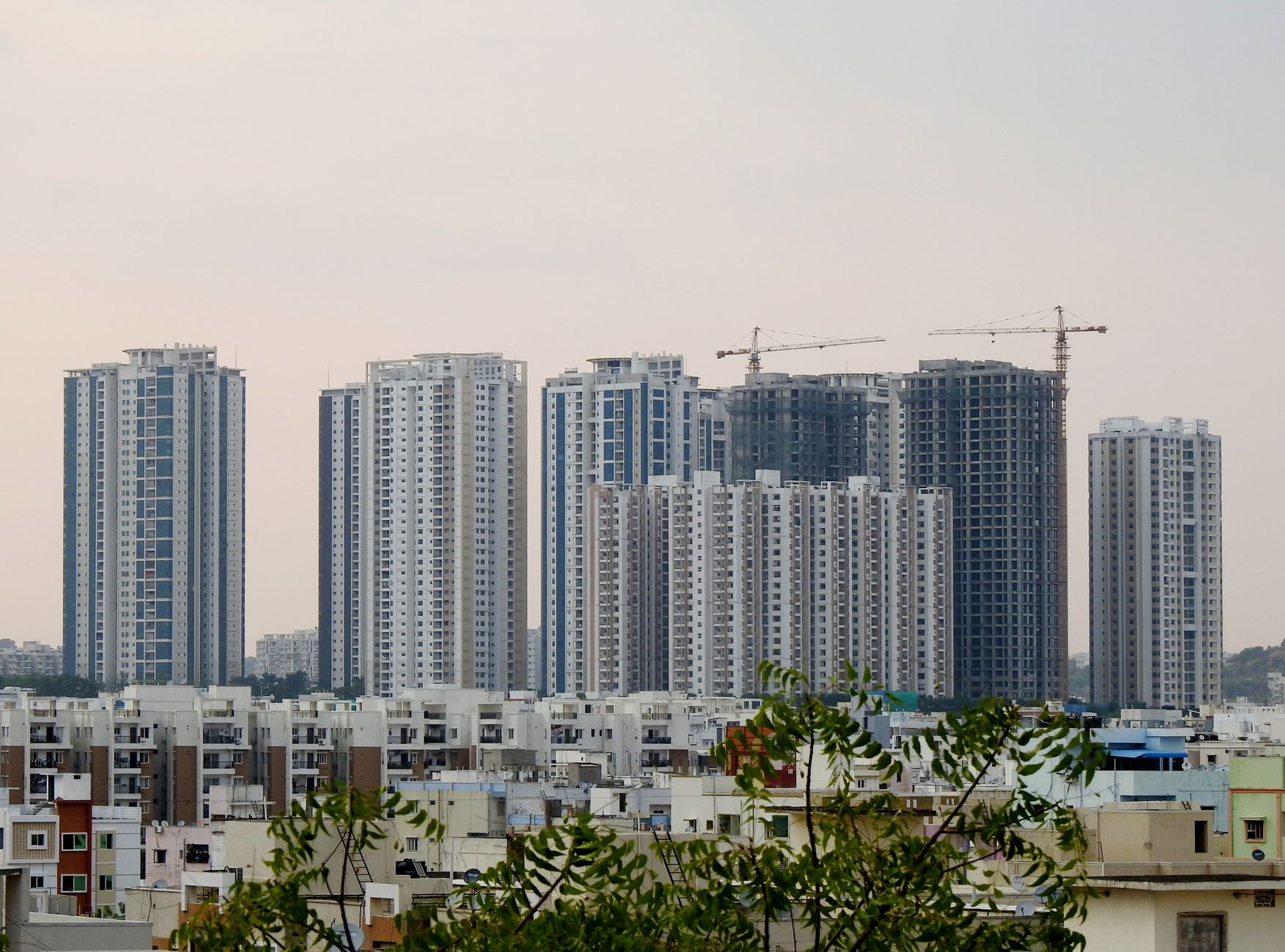
Hyderabad housing sales have hit a 4.5-year low, raising concerns among investors and homeowners alike. Unsold stock is also rising, indicating a shift in the real estate market.
Current trends in Hyderabad housing
Recent data indicates a significant downturn in Hyderabad housing sales, marking a 4.5-year low. This decline is largely attributed to several market factors that have created uncertainty among potential buyers.
Analysts have identified key trends influencing the current housing market:
Increased Unsold Inventory: The unsold stock in Hyderabad has risen sharply, indicating a mismatch between demand and supply.
Rising Interest Rates: Higher borrowing costs are discouraging many first-time homebuyers from entering the market.
Economic Uncertainty: Fluctuations in the economy are causing potential buyers to adopt a wait-and-see approach.
Changing Buyer Preferences: There is a notable shift towards affordable housing options, leaving luxury developments struggling.
These factors combined suggest that the real estate market in Hyderabad is navigating through a challenging phase, prompting stakeholders to reassess their strategies moving forward.
Impact of unsold stock on prices
The recent surge in unsold stock has significantly impacted the market dynamics in Hyderabad, contributing to a decline in housing sales. As the inventory levels rise, potential buyers are becoming increasingly cautious, leading to a further slowdown in the market.
Real estate experts highlight several factors influencing this trend:
Overbuilding: Developers have ramped up construction without a corresponding increase in demand, resulting in a glut of available properties.
Price Sensitivity: Prospective homeowners are wary of high prices, especially with rising interest rates affecting affordability.
Market Sentiment: Uncertainty in the economy has made buyers hesitant, causing many to postpone their purchasing decisions.
This combination of factors means that Hyderabad housing sales are facing unprecedented challenges. The increasing unsold stock raises concerns about future price adjustments, as sellers may be forced to lower prices to attract buyers in a sluggish market.
Factors contributing to sales decline
The recent decline in Hyderabad housing sales can be attributed to several interconnected factors that have reshaped the market landscape.
Economic Uncertainty: Fluctuations in the economy have made potential buyers more cautious, leading to a significant decrease in demand for new properties.
High Interest Rates: Increased borrowing costs due to rising interest rates have deterred many first-time homebuyers from pursuing their dreams of homeownership.
Job Market Instability: Job losses and reduced hiring in key sectors have further impacted consumer confidence, making people hesitant to commit to large investments like real estate.
Unsold Inventory: The rising levels of unsold stock in the market have led to concerns about overbuilding, prompting buyers to wait for better pricing and options.
Regulatory Changes: New regulations and taxes on real estate transactions have also contributed to the slowdown, complicating the buying process.
These factors collectively contribute to the current downturn in Hyderabad housing sales, marking a significant challenge for the real estate sector.
Future outlook for Hyderabad real estate
The future outlook for Hyderabad housing sales remains uncertain as various factors continue to influence the market. Analysts predict that a combination of rising interest rates and an oversupply of unsold stock may further impact buyer sentiment. Developers are under pressure to adjust pricing strategies to attract potential homebuyers, which could reshape the market dynamics.
Moreover, the economic environment is evolving, with potential job growth in the tech sector promising to stimulate demand in the long term. However, consumer confidence must rebound for any significant recovery in housing sales to take place. Key indicators to watch include:
If these factors align positively, the Hyderabad housing market could see a resurgence, but immediate prospects remain challenging as unsold inventory continues to rise.
Advice for home buyers in current market
As Hyderabad housing sales face a significant downturn, potential home buyers should consider several key factors before making a purchase. First and foremost, it is essential to understand the current market dynamics, including the impact of rising unsold stock on property prices.
Home buyers should:
Research extensively: Gather information on various neighborhoods, property types, and recent sales data to identify the best deals.
Evaluate financing options: With fluctuating interest rates, exploring different mortgage plans can lead to substantial savings.
Consult market experts: Engaging with real estate professionals can provide valuable insights into the timing and negotiation process.
Be prepared to act quickly: In a declining market, opportunities may arise suddenly; being ready to make an offer can make a significant difference.
By staying informed and strategic, home buyers can navigate the current environment of Hyderabad housing sales effectively.
Government policies affecting housing
The recent decline in Hyderabad housing sales can be significantly attributed to various government policies that have shaped the real estate landscape. These policies, while aimed at promoting sustainable growth, have also inadvertently contributed to the slowdown.
Key factors include:
Regulatory Changes: New regulations regarding land acquisition and development have made it more challenging for builders to initiate projects.
Increased Taxes: Rising property taxes and transaction costs have deterred potential buyers from entering the market.
Interest Rates: Fluctuating interest rates on home loans have made financing less accessible, affecting affordability for many buyers.
Aim for Affordable Housing: Government initiatives promoting affordable housing have led to a shift in focus, leaving luxury projects with higher unsold stock.
These factors collectively influence the current state of Hyderabad housing sales, emphasizing the need for a balance between development and regulation to foster a healthier market.
Expert opinions on market recovery
Experts in the real estate sector have shared diverse opinions regarding the potential recovery of Hyderabad housing sales. According to Dr. Neha Sharma, a prominent market analyst, the current downturn is a result of various intertwined factors, including economic uncertainties and rising interest rates. She emphasizes that while the situation appears bleak, there are signs that the market could stabilize in the coming months.
Mr. Rajiv Kumar, a veteran realtor, believes that the oversupply of unsold stock is a critical issue. He suggests that developers need to adopt innovative strategies to attract buyers, such as offering flexible payment plans and improved amenities. Additionally, he mentions that the government’s focus on infrastructure development could play a vital role in reviving interest in Hyderabad housing.
On the other hand, Ms. Anjali Mehta, a financial consultant, warns that a quick recovery is unlikely. She advises prospective buyers to be cautious and conduct thorough research before making any commitments in the current market.