Pune Metro Pink Line: Proven Benefits of New Infrastructure

Pune Metro Pink Line is set to revolutionize the city’s transport system. PM Modi recently inaugurated this significant infrastructure project, which includes investments of Rs 21,800 crore.

Overview of Pune Metro Pink Line

The Pune Metro Pink Line is a significant addition to the city’s public transport infrastructure, aimed at enhancing connectivity and reducing traffic congestion. This new line, inaugurated by PM Modi, is part of a broader initiative to modernize urban transport systems across India.

With a total length of approximately 25 kilometers, the Pink Line connects key areas of Pune, facilitating easier access for commuters. The line features:

  • High-speed travel: Trains are designed to operate at an efficient speed, significantly reducing travel time.
  • Environmental benefits: The metro system aims to lower carbon emissions by encouraging the use of public transport over personal vehicles.
  • Economic growth: Enhanced connectivity is expected to boost local businesses and attract investment in the region.
  • Safety features: The metro includes advanced safety measures to ensure passenger security.

As the Pune Metro Pink Line becomes operational, it is set to transform the daily commute for thousands of residents, promoting a sustainable and efficient urban transport solution.

Key Features of the Pink Line

The Pune Metro Pink Line is set to transform urban mobility in the city, boasting several key features that enhance its utility for commuters.

  • Length and Coverage: The Pink Line stretches approximately 17 kilometers, connecting crucial areas of Pune, thereby facilitating easier access for residents and visitors alike.
  • Stations: With 14 strategically located stations, the Pink Line ensures that commuters can conveniently reach their destinations, reducing travel time significantly.
  • Modern Technology: Equipped with state-of-the-art signaling systems and energy-efficient trains, the Pune Metro Pink Line emphasizes sustainability and advanced technology.
  • Integration with Other Transport: The line is designed for seamless integration with other forms of public transport, including bus and auto-rickshaw services, promoting a holistic approach to urban transit.
  • Environmental Impact: By providing a reliable alternative to private vehicles, the Pink Line aims to reduce traffic congestion and lower pollution levels in Pune.

These features collectively underline the significance of the Pune Metro Pink Line as a catalyst for better urban infrastructure and improved quality of life in the city.

Investment in Pune’s Infrastructure

The recent inauguration of the Pune Metro Pink Line by Prime Minister Modi marks a significant milestone in the city’s infrastructure development. This new metro line is expected to enhance connectivity, reduce traffic congestion, and promote sustainable urban transportation.

Investment in Pune’s infrastructure has become a key focus for local authorities, with the Pink Line being a pivotal element of this strategy. The project has attracted substantial funding, amounting to Rs 21,800 crore, aimed at improving public transport facilities across the region.

Benefits of such investments are manifold:

  • Economic Growth: Improved public transport can stimulate local economies by providing easier access to businesses.
  • Environmental Impact: The Pune Metro Pink Line encourages a shift from private vehicles to public transit, reducing carbon emissions.
  • Job Creation: The construction and operation of the metro line will create numerous job opportunities for local residents.
  • Enhanced Quality of Life: With reduced travel times, residents can enjoy a better quality of life.

Overall, investment in the Pune Metro Pink Line reflects a commitment to building a more efficient and sustainable urban environment.

Impact on Urban Transport

The launch of the Pune Metro Pink Line is set to significantly transform urban transport in the city. This new infrastructure promises to alleviate traffic congestion, providing a reliable alternative to traditional commuting methods.

Key impacts of the Pune Metro Pink Line on urban transport include:

  • Reduced Travel Time: Commuters can expect a significant decrease in travel time, making daily commutes more efficient.
  • Environmental Benefits: By promoting the use of public transport over private vehicles, the Pink Line aims to reduce carbon emissions and improve air quality.
  • Enhanced Connectivity: The Pink Line will connect major residential and commercial hubs, enabling easier access for residents and visitors alike.
  • Increased Public Transport Usage: With modern facilities and reliable scheduling, more people are likely to opt for the metro, leading to a shift in transport habits.

Overall, the Pune Metro Pink Line represents a progressive step towards a more sustainable and efficient urban transport system, addressing the growing needs of the city’s population.

Future of Metro Projects in India

The future of metro projects in India looks promising, especially with the successful launch of the Pune Metro Pink Line. As urbanization continues to surge, cities across the nation are recognizing the need for efficient public transport systems. The Pune Metro Pink Line serves as a model for other cities aiming to reduce traffic congestion and pollution.

Several factors are driving the expansion of metro networks in India:

  • Increased Investment: The government is allocating significant funds to develop metro infrastructure, with projects worth thousands of crores underway.
  • Technological Advancements: Modern technology is being integrated into metro systems, enhancing safety, efficiency, and user experience.
  • Sustainability Goals: Metro systems are seen as a vital part of achieving sustainable urban mobility, helping to lower carbon emissions.

As more cities look to replicate the success of the Pune Metro Pink Line, the future of metro projects in India promises to transform urban landscapes and improve the quality of life for millions.
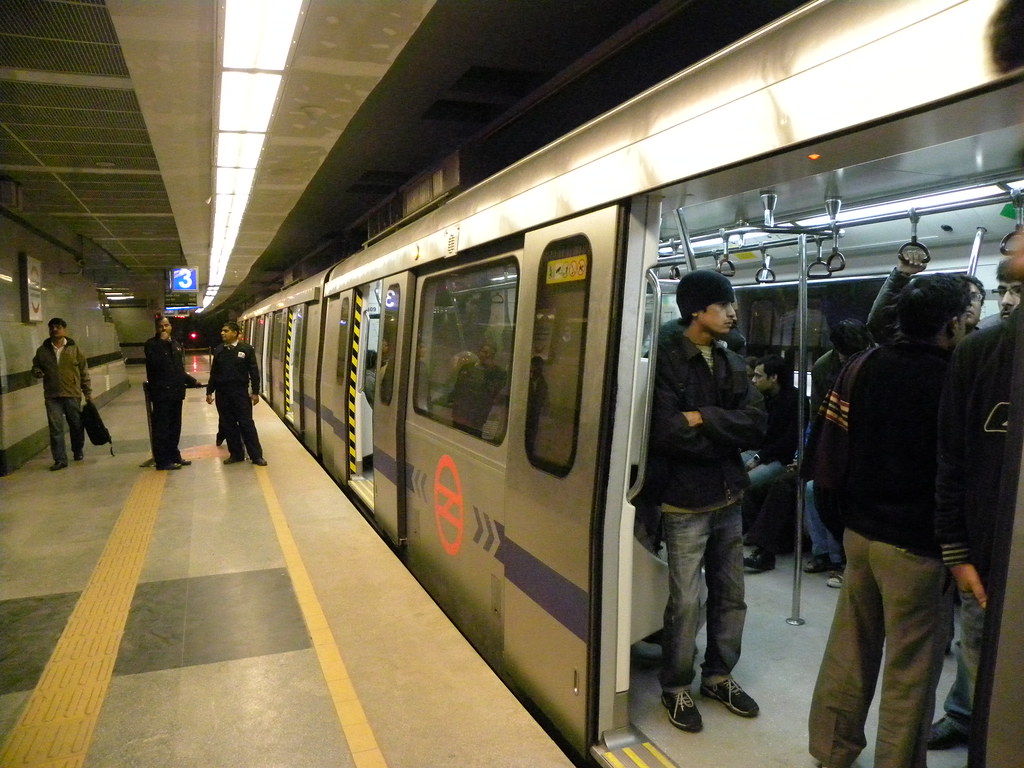
Where this came from

More on this site

India metro projects face new hurdle with export rules

India metro projects are facing potential hurdles as new export rules from China could impact ongoing and future developments in infrastructure.

Impact of China’s export rules on India

The recent tightening of export rules by China poses significant challenges for India metro projects, which rely heavily on imported materials and technology. As China is a major supplier of essential components, the new regulations could lead to delays and increased costs for ongoing and upcoming metro initiatives across the country.

Industry experts have expressed concerns over the potential impact on project timelines and budgets. They emphasize that the restrictions could result in a scarcity of crucial materials, thus hindering progress. Specifically, the following consequences are anticipated:

  • Increased Costs: The need to source materials from alternative countries may lead to higher expenses.
  • Supply Chain Disruptions: Delays in obtaining necessary components could push back project deadlines.
  • Technology Access Issues: A lack of access to advanced technology may affect the quality and efficiency of metro construction.

Furthermore, the implications of these export rules could extend beyond infrastructure projects, potentially impacting economic growth and urban development in various Indian cities. Stakeholders are now urged to explore local alternatives and bolster domestic manufacturing capabilities to mitigate these challenges.

Current state of metro projects in India

The current state of metro projects in India is increasingly precarious as developers navigate the complexities introduced by new export regulations from China. With several ongoing metro projects relying heavily on imported materials, the tightening of these export rules poses significant challenges.

Metro projects across various cities are at risk of delays, particularly those that depend on critical components sourced from China. Many of these projects were expected to enhance urban transport and alleviate congestion, but now face uncertainty.

  • In cities like Mumbai, Delhi, and Bangalore, construction schedules are being reassessed.
  • Contractors report difficulties in acquiring essential materials, which could lead to increased costs and extended timelines.
  • Officials are exploring alternative suppliers, but the transition may not be seamless and could further complicate ongoing projects.

The Indian government is urged to expedite domestic manufacturing to mitigate the impact of these export restrictions. The future of India metro projects hangs in the balance as stakeholders seek solutions to ensure progress continues amidst these new hurdles.

Challenges faced by infrastructure development

As India advances its metro projects, the infrastructure development sector is encountering significant challenges that could hinder progress. One of the primary issues stems from the recent tightening of export rules by China, which directly affects the availability of critical materials used in these projects.

Key challenges include:

  • Supply Chain Disruptions: The restrictions on exports from China have led to delays in the procurement of essential components such as rails and signaling systems.
  • Increased Costs: With limited supplies available, the prices of imported materials are rising, putting additional financial strain on metro projects.
  • Project Delays: Many cities are at risk of postponing their metro timelines, which could impact urban mobility and economic growth.
  • Dependency on Foreign Suppliers: India’s reliance on Chinese manufacturing for specific infrastructure materials highlights vulnerabilities in the supply chain.

As officials work to mitigate these challenges, the future of India metro projects hangs in the balance, requiring innovative solutions and potential diversification of supply sources.

Future of tunneling projects

The future of tunneling projects in India looks uncertain as the government navigates potential delays and increased costs due to China’s tightened export rules. These regulations may hinder the import of essential materials and technologies required for the construction of metro systems across various cities.

Metro projects in India, which have been a cornerstone of urban infrastructure development, now face an uphill battle. Industry experts have raised concerns about the following:

  • Increased Project Costs: The reliance on imported machinery and technology could lead to significant cost escalations.
  • Delays in Timeline: Extended procurement processes may push back completion dates, affecting urban mobility and planning.
  • Local Manufacturing Challenges: The capability to manufacture substitutes domestically is still under development, which may not meet urgent project demands.

As stakeholders assess the ramifications of these changes, there is a pressing need for innovative solutions and strategic partnerships to ensure the continuity of metro projects in India. Without prompt action, the ambitious plans for expanding urban transit may stall, impacting millions of commuters in the long run.

Government response to export restrictions

The Indian government has responded swiftly to the tightening of export rules by China, which could significantly impact various India metro projects. In a recent statement, officials emphasized the importance of ensuring the continuity and efficiency of infrastructure development across the country.

To mitigate the effects of these restrictions, the government is considering several measures, including:

  • Enhancing Domestic Production: Authorities are encouraging local manufacturers to step up production of essential materials, reducing reliance on imports.
  • Exploring Alternative Sources: The government is actively seeking partnerships with other countries to source necessary components and technologies.
  • Streamlining Regulatory Processes: Efforts are underway to expedite approvals for domestic projects, ensuring that delays do not hinder progress.

Officials have also highlighted the need for collaboration with industry stakeholders to identify and address challenges arising from the new export rules. As India metro projects are vital for urban mobility and economic growth, the government’s proactive approach aims to minimize disruptions and maintain momentum in infrastructure initiatives.

India metro projects are now facing delays as new export rules complicate the procurement of essential materials. These challenges could significantly impact the timely completion of ongoing India metro projects across various cities.

By BOMBMAN via Openverse

References

Related stories

Metro 13 project: Quick and Smart Transformation for Mumbai

The Metro 13 project is poised to transform Mumbai’s northern suburbs by cutting travel time from 40 minutes to just 10. This ambitious initiative promises to enhance connectivity and ease commuting for residents.

Overview of the Metro 13 Project

The Metro 13 project is poised to revolutionize public transportation in Mumbai, significantly reducing travel times across the northern suburbs. With the ambitious goal of transforming a 40-minute commute into just 10 minutes, this project aims to enhance connectivity and ease congestion in one of India’s busiest cities.

Designed to accommodate the growing population and increasing traffic, the Metro 13 route will connect key areas, making commuting more efficient. The project promises to:

  • Facilitate seamless transfers at major junctions and existing metro lines.
  • Incorporate modern technology to ensure safety and reliability.
  • Support the city’s sustainability goals by reducing vehicular emissions.

As Mumbai continues to evolve, the Metro 13 project stands as a testament to the city’s commitment to improving urban mobility and enhancing the quality of life for its residents.

Impact on Mumbai’s Northern Suburbs

The Metro 13 project is poised to significantly transform the landscape of Mumbai’s northern suburbs, impacting daily commutes and local economies. Currently, residents often face lengthy travel times, with journeys taking up to 40 minutes. However, the introduction of the metro line is expected to reduce this time to just 10 minutes, enhancing connectivity and accessibility.

This transformation is not just about speed; it also promises to alleviate traffic congestion, which has long been a headache for commuters. With the convenience of the metro, more people may opt for public transport over private vehicles, leading to a decrease in road traffic and pollution levels.

Furthermore, the Metro 13 project is likely to spur economic growth in the area. Local businesses are expected to thrive as increased foot traffic brings more customers, while property values may rise due to improved accessibility. Overall, the project is set to redefine the suburban experience in Mumbai.

Travel Time Reduction Benefits

The Metro 13 project is poised to significantly reduce travel times for commuters in Mumbai’s northern suburbs. With an expected travel time cut from 40 minutes to just 10 minutes, this transformation is set to enhance the daily lives of thousands of residents.

The benefits of reduced travel time include:

  • Increased Productivity: Commuters will have more time for work, family, and leisure activities.
  • Environmental Impact: Shorter travel times can lead to reduced vehicle emissions as more people opt for public transport.
  • Economic Growth: Improved connectivity can attract businesses and boost local economies in the northern suburbs.
  • Enhanced Quality of Life: Less time spent commuting means more time for personal pursuits, contributing to overall well-being.

As the Metro 13 project progresses, these travel time reductions will become a reality, reinforcing the need for efficient urban transport solutions in Mumbai.

Funding and Investment in Infrastructure

The successful implementation of the Metro 13 project is heavily reliant on significant funding and investment in infrastructure. To bring this ambitious plan to fruition, various financing options are being explored, ensuring that the project aligns with the needs of Mumbai’s growing population.

The funding sources include:

  • Government Allocations: The state and central governments are allocating funds to support the infrastructure projects.
  • Public-Private Partnerships: Collaborations with private investors are being encouraged to enhance financial viability.
  • International Loans: Institutions such as the Asian Development Bank are likely to provide loans for construction and development.

With the incorporation of modern technology and sustainable practices, the Metro 13 project is set to redefine transportation in Mumbai. This investment not only promises to improve travel efficiency but also enhances the overall urban landscape, paving the way for sustainable growth in the region.

Community Response to Metro 13

The community response to the Metro 13 project has been overwhelmingly positive, as residents anticipate significant improvements in their daily commutes. Many locals express excitement about the reduction in travel times, which are projected to decrease from 40 minutes to just 10 minutes for key routes.

Furthermore, some residents have highlighted the potential for increased economic opportunities in their neighborhoods. This has led to a number of local businesses preparing for an influx of customers, boosting confidence in the project’s benefits.

However, while the majority support the initiative, there are concerns about potential disruptions during construction. Community leaders are urging the authorities to keep residents informed and involved in the process.

Overall, the enthusiasm surrounding the Metro 13 project reflects a collective hope for a more connected and accessible Mumbai, transforming the northern suburbs into a thriving hub of activity.

Future of Urban Transport in Mumbai

The Metro 13 project is poised to revolutionize urban transport in Mumbai, offering a glimpse into a more efficient and connected future. With its state-of-the-art technology and strategic planning, the project aims to alleviate congestion and improve accessibility across the city.

Key features of the Metro 13 project include:

  • Increased Connectivity: Linking various neighborhoods, the metro will enhance travel options for residents and commuters.
  • Environmental Benefits: By promoting public transport, the project aims to reduce traffic emissions and improve air quality.
  • Economic Growth: Improved transport infrastructure is expected to attract investments and boost local businesses.
  • Safety and Efficiency: Modern metro systems provide a reliable mode of transport, minimizing delays and enhancing passenger safety.

As the Metro 13 project progresses, it is clear that the future of urban transport in Mumbai will be more sustainable, efficient, and accessible for all residents.

Photo by Anil Sharma on Pexels

Sources

The Indian Express · Metroproject quattro

Related reading

Honor Thy Mother conference: A Smart Celebration of Moms · Cyprus rental yields: What are the best investment options? · Is QR-Based payment service the Best Way to Pay Today?