
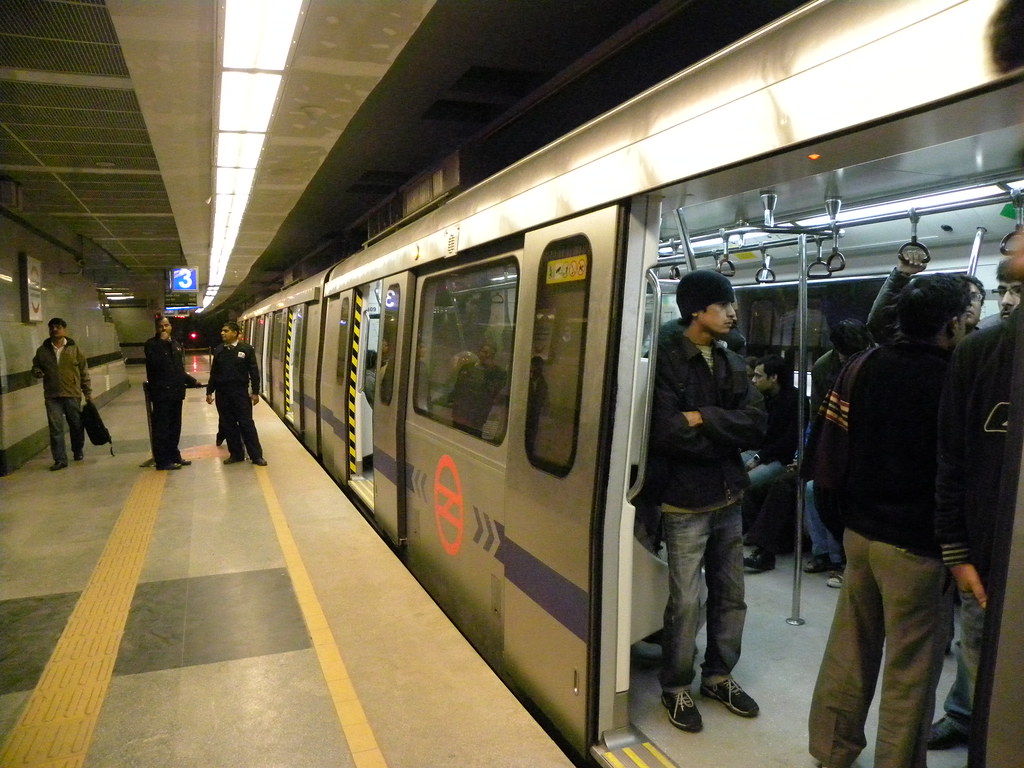

India metro projects face new hurdle with export rules
India metro projects are facing potential hurdles as new export rules from China could impact ongoing and future developments in infrastructure.
Impact of China’s export rules on India
The recent tightening of export rules by China poses significant challenges for India metro projects, which rely heavily on imported materials and technology. As China is a major supplier of essential components, the new regulations could lead to delays and increased costs for ongoing and upcoming metro initiatives across the country.
Industry experts have expressed concerns over the potential impact on project timelines and budgets. They emphasize that the restrictions could result in a scarcity of crucial materials, thus hindering progress. Specifically, the following consequences are anticipated:
- Increased Costs: The need to source materials from alternative countries may lead to higher expenses.
- Supply Chain Disruptions: Delays in obtaining necessary components could push back project deadlines.
- Technology Access Issues: A lack of access to advanced technology may affect the quality and efficiency of metro construction.
Furthermore, the implications of these export rules could extend beyond infrastructure projects, potentially impacting economic growth and urban development in various Indian cities. Stakeholders are now urged to explore local alternatives and bolster domestic manufacturing capabilities to mitigate these challenges.
Current state of metro projects in India
The current state of metro projects in India is increasingly precarious as developers navigate the complexities introduced by new export regulations from China. With several ongoing metro projects relying heavily on imported materials, the tightening of these export rules poses significant challenges.
Metro projects across various cities are at risk of delays, particularly those that depend on critical components sourced from China. Many of these projects were expected to enhance urban transport and alleviate congestion, but now face uncertainty.
- In cities like Mumbai, Delhi, and Bangalore, construction schedules are being reassessed.
- Contractors report difficulties in acquiring essential materials, which could lead to increased costs and extended timelines.
- Officials are exploring alternative suppliers, but the transition may not be seamless and could further complicate ongoing projects.
The Indian government is urged to expedite domestic manufacturing to mitigate the impact of these export restrictions. The future of India metro projects hangs in the balance as stakeholders seek solutions to ensure progress continues amidst these new hurdles.
Challenges faced by infrastructure development
As India advances its metro projects, the infrastructure development sector is encountering significant challenges that could hinder progress. One of the primary issues stems from the recent tightening of export rules by China, which directly affects the availability of critical materials used in these projects.
Key challenges include:
- Supply Chain Disruptions: The restrictions on exports from China have led to delays in the procurement of essential components such as rails and signaling systems.
- Increased Costs: With limited supplies available, the prices of imported materials are rising, putting additional financial strain on metro projects.
- Project Delays: Many cities are at risk of postponing their metro timelines, which could impact urban mobility and economic growth.
- Dependency on Foreign Suppliers: India’s reliance on Chinese manufacturing for specific infrastructure materials highlights vulnerabilities in the supply chain.
As officials work to mitigate these challenges, the future of India metro projects hangs in the balance, requiring innovative solutions and potential diversification of supply sources.
Future of tunneling projects
The future of tunneling projects in India looks uncertain as the government navigates potential delays and increased costs due to China’s tightened export rules. These regulations may hinder the import of essential materials and technologies required for the construction of metro systems across various cities.
Metro projects in India, which have been a cornerstone of urban infrastructure development, now face an uphill battle. Industry experts have raised concerns about the following:
- Increased Project Costs: The reliance on imported machinery and technology could lead to significant cost escalations.
- Delays in Timeline: Extended procurement processes may push back completion dates, affecting urban mobility and planning.
- Local Manufacturing Challenges: The capability to manufacture substitutes domestically is still under development, which may not meet urgent project demands.
As stakeholders assess the ramifications of these changes, there is a pressing need for innovative solutions and strategic partnerships to ensure the continuity of metro projects in India. Without prompt action, the ambitious plans for expanding urban transit may stall, impacting millions of commuters in the long run.
Government response to export restrictions
The Indian government has responded swiftly to the tightening of export rules by China, which could significantly impact various India metro projects. In a recent statement, officials emphasized the importance of ensuring the continuity and efficiency of infrastructure development across the country.
To mitigate the effects of these restrictions, the government is considering several measures, including:
- Enhancing Domestic Production: Authorities are encouraging local manufacturers to step up production of essential materials, reducing reliance on imports.
- Exploring Alternative Sources: The government is actively seeking partnerships with other countries to source necessary components and technologies.
- Streamlining Regulatory Processes: Efforts are underway to expedite approvals for domestic projects, ensuring that delays do not hinder progress.
Officials have also highlighted the need for collaboration with industry stakeholders to identify and address challenges arising from the new export rules. As India metro projects are vital for urban mobility and economic growth, the government’s proactive approach aims to minimize disruptions and maintain momentum in infrastructure initiatives.
India metro projects are now facing delays as new export rules complicate the procurement of essential materials. These challenges could significantly impact the timely completion of ongoing India metro projects across various cities.
By BOMBMAN via Openverse