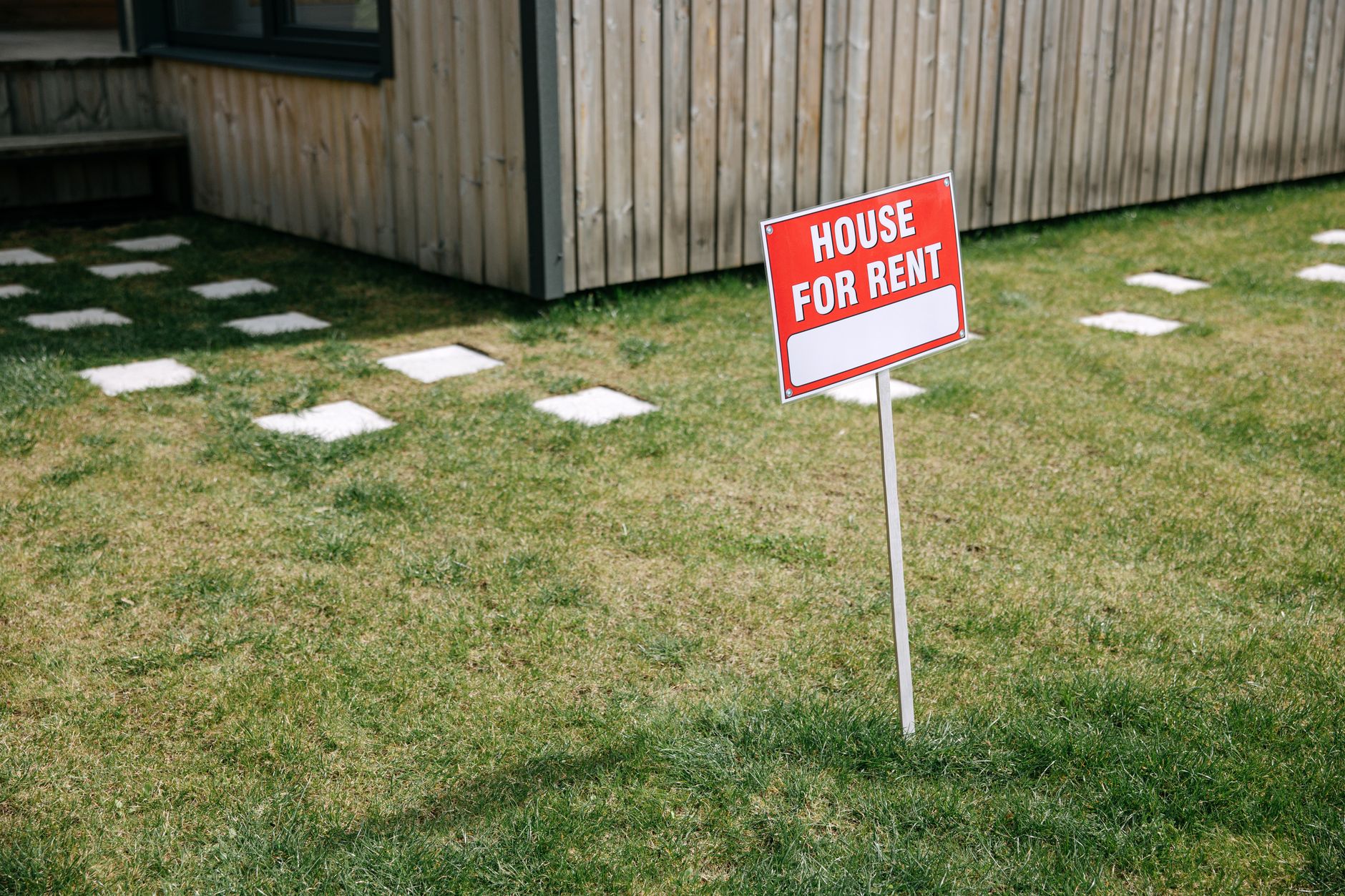
Cost of Renting a Home: The Worst Rise in Merseyside

The cost of renting a home has significantly increased across all five Merseyside boroughs, impacting many residents. This article explores the reasons behind this trend and its implications for renters.

Understanding the Cost of Renting a Home

The cost of renting a home in Merseyside has seen a significant increase, affecting many residents across the region. With rising demand for rental properties, the market has become increasingly competitive, leading to inflated prices.

Several factors contribute to this upward trend in rental costs. These include:

  • Increased demand: More individuals and families are seeking rental accommodation due to various reasons such as population growth and economic changes.
  • Limited supply: A shortage of available rental properties in desirable areas has made it harder for prospective tenants to find affordable options.
  • Local economic factors: Changes in local employment opportunities can influence migration patterns, thereby impacting rental prices.
  • Inflation: General inflation rates have led to higher costs for landlords, which are often passed on to tenants in the form of increased rents.

As the cost of renting a home continues to climb, many residents are expressing concerns about affordability and the long-term implications for their financial stability. It is essential for potential renters to stay informed and consider their options carefully in this challenging market.

Factors Driving Rental Price Increases

The recent surge in the cost of renting a home in Merseyside can be attributed to several key factors that have created a perfect storm for renters in the region.

  • Increased Demand: With more people moving to urban areas for work and education, the demand for rental properties has skyrocketed. This influx has outpaced the available housing stock, leading to fierce competition among prospective tenants.
  • Limited Housing Supply: A shortage of new housing developments has exacerbated the situation. Many builders have faced delays due to rising construction costs and regulatory hurdles, limiting the number of new homes entering the rental market.
  • Rising Living Costs: As inflation continues to rise, landlords are adjusting their rental prices to keep up with increased maintenance and operational costs. This has resulted in higher rents being passed onto tenants.
  • Changing Rental Regulations: New regulations and policies aimed at improving tenant protections have also affected the rental market. While these measures are beneficial in the long run, they can lead to short-term price increases as landlords adjust to the new landscape.

Understanding these factors is crucial for both current and prospective renters as they navigate the challenges of the evolving housing market in Merseyside.

Impact on Tenants in Merseyside

The cost of renting a home in Merseyside has seen a significant impact on tenants, leaving many struggling to make ends meet. As rental prices continue to soar, individuals and families are finding it increasingly difficult to secure affordable housing.

In a recent survey, tenants reported a range of challenges associated with the rising costs, including:

  • Increased Financial Strain: Many households are allocating a larger portion of their income to rent, which limits their ability to save for other essential needs.
  • Limited Housing Options: With prices climbing, affordable rental properties are becoming scarce, forcing tenants to compromise on location and amenities.
  • Increased Competition: As demand outpaces supply, potential renters are facing intense competition, leading to bidding wars and rushed decisions.
  • Heightened Anxiety: The uncertainty of rental markets has created anxiety among tenants, who fear eviction or the inability to secure a new home.

Moreover, the rise in the cost of renting a home has exacerbated the housing crisis in the region, prompting local advocacy groups to call for urgent measures. They argue that without intervention, the situation may worsen, leaving vulnerable populations at risk of homelessness.

Future Predictions for the Housing Market

The future predictions for the housing market in Merseyside indicate a continuing trend of rising rental prices, which is concerning for current and prospective tenants. Experts believe that the cost of renting a home in the region may not stabilize in the near future due to several influencing factors.

One significant aspect is the ongoing demand for rental properties, which remains high as homeownership becomes increasingly unattainable for many. A recent study highlights the following predictions:

  • Increasing Demand: The population growth in urban areas is expected to drive more individuals towards renting.
  • Inflationary Pressures: As general living costs rise, landlords may raise rents to keep pace with inflation.
  • Regulatory Changes: New housing policies may affect rental prices, either increasing costs or limiting supply.

Furthermore, with the economic landscape remaining uncertain, many potential buyers are opting to rent instead, further straining the market. This situation creates a vicious cycle, where the cost of renting a home continues to escalate, leaving many tenants in a precarious financial position.

As the market evolves, stakeholders are urged to monitor these trends to better understand their implications for housing affordability in Merseyside.

Photo by Jakub Zerdzicki on Pexels

Sources

Related stories

Rising Rents Hama: The Urgent Need for Housing Regulation

Rising rents Hama are becoming a significant concern for residents, prompting calls for stricter regulations in the housing market.

Understanding the Current Housing Situation in Hama

The housing situation in Hama has become increasingly concerning as rising rents continue to affect residents. Many families are struggling to afford basic accommodations, leading to a growing demand for housing regulation to stabilize the market.

Several factors contribute to the current crisis:

  • Inflation: The overall rise in prices has made it difficult for landlords to keep rental rates manageable.
  • Supply and Demand: An influx of people seeking housing has outpaced the available properties, driving prices higher.
  • Economic Instability: Ongoing economic challenges have left many residents unable to negotiate their rental agreements or seek more affordable options.

As a result of these issues, many tenants are being forced to make difficult choices, such as moving to less desirable areas or downsizing to smaller spaces. The urgent need for intervention in the housing market is clear, as continued rising rents in Hama threaten the stability and wellbeing of its community.

Local advocacy groups have begun to call for increased oversight and regulation to ensure that housing remains accessible for all residents, emphasizing the importance of protecting vulnerable populations during this challenging time.

Factors Contributing to Rising Rents

The housing market in Hama has been experiencing significant challenges, leading to rising rents that have put pressure on many residents. Several factors contribute to this trend, making it essential to understand the dynamics at play.

  • Increased Demand: A growing population and urban migration have heightened the demand for housing in Hama, outpacing the available supply.
  • Limited Housing Supply: The construction of new housing units has not kept pace with demand, resulting in a limited inventory and higher prices.
  • Economic Factors: Inflation and rising costs of living have made it difficult for families to afford housing, forcing many to spend a larger portion of their income on rent.
  • Speculation by Investors: Investors entering the market are driving up prices, as they often prioritize profit over affordability, further exacerbating the situation.
  • Lack of Regulation: The absence of effective housing regulation has allowed landlords to increase rents without constraints, leading to unjustifiable price hikes.

Understanding these contributing factors is crucial for addressing the issue of rising rents in Hama. Without intervention, the housing crisis may continue to deteriorate, impacting the quality of life for many residents.

Impact of High Rents on Residents

The surge in housing costs in Hama has left many residents grappling with financial strain and uncertainty. As rising rents continue to escalate, the impact on the community is becoming increasingly evident.

Many families find themselves forced to make difficult choices due to the high cost of living. The following are some of the most pressing consequences:

  • Increased Financial Burden: Households are allocating a larger portion of their income to rent, often at the expense of basic necessities such as food and healthcare.
  • Housing Instability: With many unable to afford their current dwellings, residents are facing the threat of eviction or displacement, leading to a sense of insecurity.
  • Decline in Quality of Life: The stress of managing high rents can lead to mental health issues, affecting overall well-being and community cohesion.
  • Reduced Economic Mobility: High housing costs can hinder individuals’ ability to save for the future, invest in education, or improve their job prospects.

As these challenges mount, the urgent need for effective housing regulation in Hama becomes increasingly clear, prompting calls for action from community leaders and residents alike.

Proposed Solutions for Housing Regulation

As the issue of rising rents Hama continues to escalate, experts and local authorities are proposing several solutions to address the urgent need for housing regulation. These strategies aim to create a more balanced and equitable housing market for residents.

  • Implementation of Rent Control: Introducing rent control measures could help stabilize rental prices and protect tenants from sudden increases.
  • Creation of Affordable Housing Units: Developing new affordable housing projects is essential to meet the growing demand for low-income housing. Public-private partnerships could facilitate this initiative.
  • Strengthening Tenant Rights: Enhancing the legal framework for tenant rights can empower residents and provide them with better protection against unjust evictions and unfair rental practices.
  • Regular Market Assessments: Conducting regular assessments of the housing market can help identify trends and inform policy decisions, ensuring that regulations remain relevant and effective.
  • Community Engagement: Involving residents in the decision-making process can lead to more tailored solutions that meet the specific needs of the community.

These proposed solutions aim to not only alleviate the burden of rising rents Hama but also foster a more sustainable and inclusive housing environment for all residents.

Future Outlook for Hama’s Housing Market

The future outlook for Hama’s housing market remains uncertain as rising rents continue to put immense pressure on residents. Without effective regulation, the situation may worsen, leading to increased displacement and social unrest.

Experts predict that if current trends persist, the demand for affordable housing will outpace supply, exacerbating the crisis. Key factors influencing this outlook include:

  • Population Growth: An influx of new residents seeking employment opportunities is driving up demand for housing.
  • Economic Instability: Fluctuations in the local economy could further strain housing availability, leading to increased rents.
  • Investment Trends: Real estate investors may prioritize profitability over affordable housing, complicating the situation.

As the community grapples with these challenges, there is a growing consensus on the need for robust housing regulations to address the issue of rising rents in Hama. Stakeholders are urged to collaborate and develop policies that ensure equitable access to housing for all residents.

Ultimately, the future of Hama’s housing market hinges on proactive measures that can stabilize rent prices and promote sustainable development.

The impact of rising rents Hama has become increasingly evident, pushing many families to the brink of financial instability. As the city continues to grow, the urgent need for housing regulation to address rising rents Hama cannot be overstated.

Photo by Ivan S on Pexels

Where this came from

Related stories