
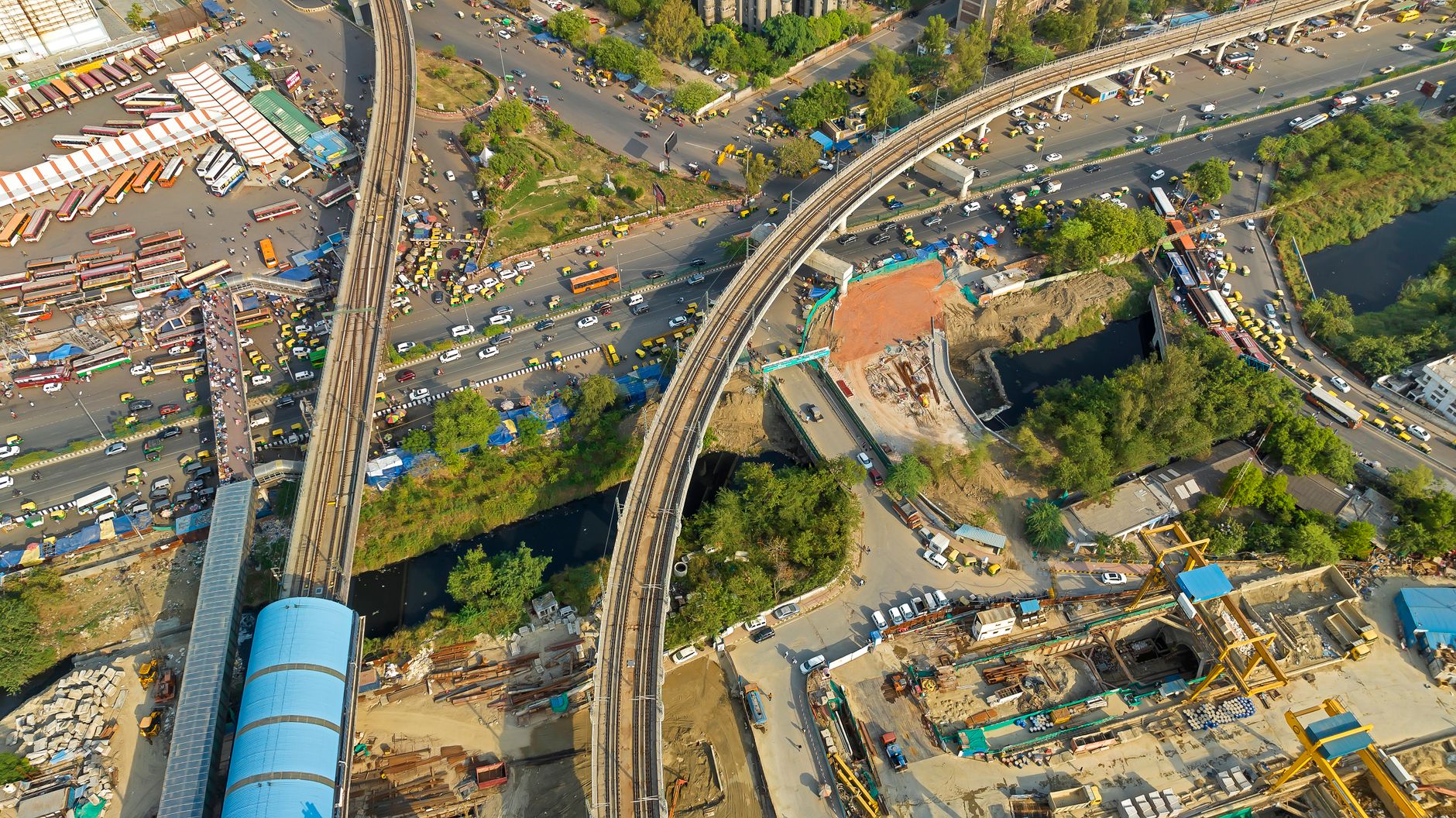

India Infrastructure Projects: The Best and Worst Updates
India infrastructure projects are at a pivotal point in 2026, showcasing a mix of openings, ongoing constructions, and delays that impact the economy.
Current Status of Infrastructure Projects
The current status of infrastructure projects in India reveals a mixed landscape of progress and delays. With the government’s push towards rapid development, several initiatives have shown promise, while others are facing significant setbacks.
Among the key projects making headway are:
- Delhi-Mumbai Expressway: This ambitious project is nearing completion, expected to significantly cut travel time between the two major cities.
- Mumbai Coastal Road: The project is well underway, enhancing connectivity and urban mobility along the coastline.
However, not all endeavors are progressing smoothly. Challenges such as land acquisition, funding issues, and environmental concerns have led to delays in various projects, including:
- Chardham Highway Project: This crucial undertaking has faced hurdles, impacting its timeline for completion.
- Regional Rapid Transit System: Delays in the implementation of this project have raised concerns regarding urban transportation improvements.
As India continues to invest in infrastructure projects, stakeholders remain hopeful that ongoing efforts will yield positive results in the coming years.
Major Projects Open in 2026
As India gears up for significant advancements in its infrastructure, several key projects are expected to open their doors in 2026. These initiatives are part of the broader push to enhance connectivity and support economic growth across the nation.
- Mumbai Coastal Road Project: This ambitious project aims to ease traffic congestion and provide a scenic coastal drive. Slated for completion in 2026, it promises to transform urban mobility in Mumbai.
- Delhi-Meerut Expressway: Designed to reduce travel time between the national capital and Meerut, this expressway is set to play a crucial role in regional development and is expected to be fully operational by 2026.
- Chennai Peripheral Ring Road: This road will enhance connectivity to various industrial hubs around Chennai, facilitating smoother transportation and logistics for businesses.
These projects are indicative of the government’s commitment to enhancing India’s infrastructure landscape. However, challenges remain, including land acquisition and environmental concerns, which could impact timelines. Overall, the outlook for India infrastructure projects in 2026 remains optimistic, with a focus on sustainable and efficient development.
Key Projects Under Construction
India is currently witnessing a surge in infrastructure development, with several key projects under construction that aim to enhance connectivity and boost economic growth. These India infrastructure projects are crucial for the country’s ambition to facilitate trade and improve the quality of life for its citizens.
Among the most notable projects are:
- Mumbai Trans Harbour Link: This ambitious bridge project is set to connect Mumbai with Navi Mumbai, significantly reducing travel time and easing congestion.
- Delhi-Meerut Expressway: Aimed at providing faster access between the two cities, this expressway will feature state-of-the-art facilities and is expected to be completed by next year.
- Chennai Peripheral Ring Road: Designed to decongest urban traffic, this ring road will connect various highways and improve connectivity to Chennai.
While these projects promise significant benefits, challenges such as delays and budget overruns remain. Stakeholders are closely monitoring progress to ensure that these India infrastructure projects achieve their intended goals on schedule.
Delays in Infrastructure Development
Delays in infrastructure development have become a significant concern for many ongoing India infrastructure projects. Recent reports indicate that over 30% of the major projects are behind schedule, impacting not only the economy but also the daily lives of citizens who rely on improved infrastructure.
Among the key factors contributing to these delays are:
- Land acquisition issues: Many projects face hurdles in acquiring the necessary land, resulting in prolonged negotiations and legal disputes.
- Funding constraints: Insufficient financial backing has led to project slowdowns, with some initiatives struggling to secure the required investments.
- Regulatory hurdles: Complex approval processes often stall progress, causing frustration among stakeholders.
- Environmental concerns: Increased scrutiny over ecological impacts has led to project re-evaluations and further delays.
As the government continues to prioritize infrastructure development, addressing these challenges will be crucial to ensure timely completion of projects and overall economic growth.
Government Initiatives for Improvement
The Indian government has been actively pursuing various initiatives aimed at improving the nation’s infrastructure projects. With a focus on enhancing connectivity and fostering economic growth, these initiatives are designed to tackle the existing challenges faced by the sector.
Some key government initiatives include:
- National Infrastructure Pipeline: Launched to provide a roadmap for infrastructure development across various sectors, this pipeline aims to invest over ₹100 lakh crore by 2025.
- PM Gati Shakti: This program is focused on creating a digital platform for better coordination and execution of infrastructure projects, ensuring timely completion.
- Atmanirbhar Bharat Abhiyan: Aimed at promoting self-reliance, this initiative includes significant investment in infrastructure, particularly in rural and semi-urban areas.
Moreover, the government has also emphasized public-private partnerships (PPPs) to accelerate the pace of development. By leveraging private investment and expertise, these collaborations can enhance the efficiency of various infrastructure projects throughout India.
Future Outlook for Indian Infrastructure
The future outlook for Indian infrastructure projects appears promising, with several factors contributing to the potential for growth and development. As the government continues to invest heavily in various sectors, the emphasis on enhancing transportation, energy, and urban infrastructure remains a top priority.
One of the critical areas of focus is the expansion of transportation networks, including highways, railways, and airports. These developments are expected to boost economic activity and improve connectivity across the nation. Additionally, the push towards sustainable energy projects will likely transform India’s energy landscape, aligning with global environmental goals.
However, challenges such as land acquisition issues and bureaucratic hurdles could pose risks to timelines. The government is making strides to streamline processes, but successful implementation will be crucial for the timely completion of these projects.
In summary, while the future outlook for Indian infrastructure projects holds significant promise, careful planning and execution will be vital to ensure that the ambitious goals set forth are met, ultimately improving the quality of life for millions of citizens.
Recent assessments reveal that while some India infrastructure projects have made significant progress, others have faced delays and budget overruns. The contrasting outcomes of these India infrastructure projects highlight the need for better planning and execution strategies.
Photo by Anil Sharma on Pexels
References
Related stories
Is Lava Virat Curve India the Best Smartphone with 6000mAh Battery? · Oil Prices Rise: Best Strategies for Real Estate Investors · Metro 13 project: Quick and Smart Transformation for Mumbai