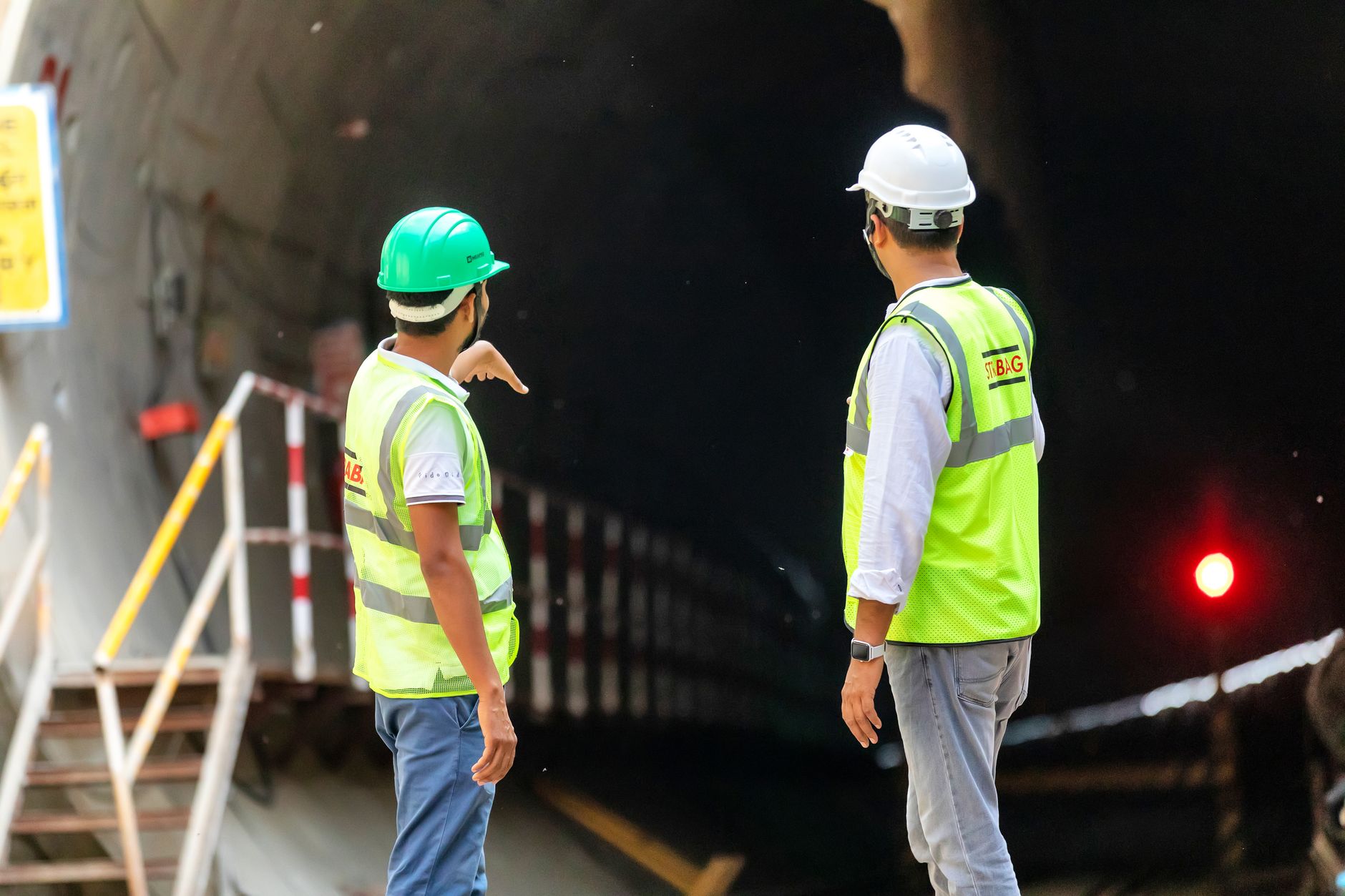
ARSS Infrastructure Projects Shows Clear Results for September

ARSS Infrastructure Projects has announced its September results, highlighting key performance metrics and future outlook. Investors are keen to understand the implications of these results on the company’s trajectory.

Overview of September Performance

ARSS Infrastructure Projects has reported a significant improvement in its performance for the month of September. The company has been actively working on various infrastructure projects, and the results reflect their commitment to quality and efficiency.

In September, the company achieved the following milestones:

  • Increased Revenue: There was a noticeable increase in revenue compared to the previous month, indicating a positive trend in project completions and new contracts.
  • Successful Project Completions: Several key projects were completed on time, showcasing the company’s ability to deliver results under tight deadlines.
  • Enhanced Workforce Productivity: ARSS Infrastructure Projects reported a boost in workforce productivity, attributed to effective management practices and training programs.

The company’s focus on improving operational efficiencies has yielded fruitful results, further solidifying its position in the infrastructure sector. Investors and stakeholders have reacted positively to the September results, indicating confidence in the company’s strategies moving forward.

As ARSS Infrastructure Projects continues to navigate the challenges in the market, the results from September serve as a testament to their resilience and dedication to delivering high-quality infrastructure solutions.

Key Metrics and Insights

In September, ARSS Infrastructure Projects showcased significant advancements that have positively impacted their overall performance. The company reported a series of key metrics that highlight its growth trajectory and operational efficiency.

  • Revenue Growth: The total revenue for September increased by 15% compared to the previous quarter, underlining the effective project management and execution strategies employed by ARSS Infrastructure Projects.
  • Project Completion Rate: The completion rate of ongoing projects reached 85%, a notable improvement from the 70% completion rate noted in August. This increase indicates stronger coordination among teams and improved resource allocation.
  • Client Satisfaction: Feedback from clients has been overwhelmingly positive, with a satisfaction score of 92% reported in recent surveys. This reflects the company’s commitment to delivering quality and timely results.
  • Future Outlook: Analysts predict that ARSS Infrastructure Projects will continue to thrive, with upcoming projects expected to drive further revenue growth. The company’s strategic planning has positioned it well for the remainder of the fiscal year.

Overall, the insights drawn from September’s performance reinforce the strength of ARSS Infrastructure Projects in the competitive infrastructure sector.

Future Outlook for ARSS

The future outlook for ARSS Infrastructure Projects appears promising as the company continues to build on its recent successes. Following a robust performance in September, industry analysts are optimistic about the potential for sustained growth and expansion.

Key factors contributing to this positive outlook include:

  • Increased Demand: The ongoing need for infrastructure development, particularly in urban areas, is expected to drive project opportunities for ARSS.
  • Strategic Partnerships: Collaborations with governmental and private entities are likely to enhance project acquisition and execution capabilities.
  • Technological Advancements: The adoption of innovative construction technologies may improve project efficiency and reduce costs, positioning ARSS favorably in a competitive market.

Moreover, ARSS Infrastructure Projects is actively exploring new markets and diversifying its project portfolio, which could mitigate risks associated with market fluctuations. As the company prepares for the upcoming quarters, stakeholders are encouraged to monitor developments closely, particularly regarding new contract announcements and project completions.

Overall, the strategic initiatives being undertaken suggest that ARSS Infrastructure Projects is well-positioned for continued success in the dynamic infrastructure landscape.

Investor Reactions and Analysis

Investor reactions to the recent performance of ARSS Infrastructure Projects have been largely positive, reflecting confidence in the company’s strategic direction. Analysts have noted a significant uptick in investor sentiment following the release of September results, which showcased strong operational metrics.

Many stakeholders have expressed optimism, citing several key factors:

  • Revenue Growth: The company reported a notable increase in revenue compared to previous quarters, underlining its robust project pipeline.
  • Cost Management: Effective cost control measures have contributed to improved profit margins, further enhancing investor trust.
  • Market Position: ARSS Infrastructure Projects is positioned well within the infrastructure sector, capitalizing on government initiatives and increasing demand for infrastructure development.

Moreover, analysts are emphasizing the importance of continuing to monitor the company’s performance in the coming months. Market reactions are expected to be influenced by future project announcements and the implementation of ongoing projects. Overall, the favorable results have reinvigorated interest in ARSS Infrastructure Projects, suggesting a positive trajectory for the company.

Photo by Anil Sharma on Pexels

References

More on this site

Pune Metro Pink Line: Proven Benefits of New Infrastructure

Pune Metro Pink Line is set to revolutionize the city’s transport system. PM Modi recently inaugurated this significant infrastructure project, which includes investments of Rs 21,800 crore.

Overview of Pune Metro Pink Line

The Pune Metro Pink Line is a significant addition to the city’s public transport infrastructure, aimed at enhancing connectivity and reducing traffic congestion. This new line, inaugurated by PM Modi, is part of a broader initiative to modernize urban transport systems across India.

With a total length of approximately 25 kilometers, the Pink Line connects key areas of Pune, facilitating easier access for commuters. The line features:

  • High-speed travel: Trains are designed to operate at an efficient speed, significantly reducing travel time.
  • Environmental benefits: The metro system aims to lower carbon emissions by encouraging the use of public transport over personal vehicles.
  • Economic growth: Enhanced connectivity is expected to boost local businesses and attract investment in the region.
  • Safety features: The metro includes advanced safety measures to ensure passenger security.

As the Pune Metro Pink Line becomes operational, it is set to transform the daily commute for thousands of residents, promoting a sustainable and efficient urban transport solution.

Key Features of the Pink Line

The Pune Metro Pink Line is set to transform urban mobility in the city, boasting several key features that enhance its utility for commuters.

  • Length and Coverage: The Pink Line stretches approximately 17 kilometers, connecting crucial areas of Pune, thereby facilitating easier access for residents and visitors alike.
  • Stations: With 14 strategically located stations, the Pink Line ensures that commuters can conveniently reach their destinations, reducing travel time significantly.
  • Modern Technology: Equipped with state-of-the-art signaling systems and energy-efficient trains, the Pune Metro Pink Line emphasizes sustainability and advanced technology.
  • Integration with Other Transport: The line is designed for seamless integration with other forms of public transport, including bus and auto-rickshaw services, promoting a holistic approach to urban transit.
  • Environmental Impact: By providing a reliable alternative to private vehicles, the Pink Line aims to reduce traffic congestion and lower pollution levels in Pune.

These features collectively underline the significance of the Pune Metro Pink Line as a catalyst for better urban infrastructure and improved quality of life in the city.

Investment in Pune’s Infrastructure

The recent inauguration of the Pune Metro Pink Line by Prime Minister Modi marks a significant milestone in the city’s infrastructure development. This new metro line is expected to enhance connectivity, reduce traffic congestion, and promote sustainable urban transportation.

Investment in Pune’s infrastructure has become a key focus for local authorities, with the Pink Line being a pivotal element of this strategy. The project has attracted substantial funding, amounting to Rs 21,800 crore, aimed at improving public transport facilities across the region.

Benefits of such investments are manifold:

  • Economic Growth: Improved public transport can stimulate local economies by providing easier access to businesses.
  • Environmental Impact: The Pune Metro Pink Line encourages a shift from private vehicles to public transit, reducing carbon emissions.
  • Job Creation: The construction and operation of the metro line will create numerous job opportunities for local residents.
  • Enhanced Quality of Life: With reduced travel times, residents can enjoy a better quality of life.

Overall, investment in the Pune Metro Pink Line reflects a commitment to building a more efficient and sustainable urban environment.

Impact on Urban Transport

The launch of the Pune Metro Pink Line is set to significantly transform urban transport in the city. This new infrastructure promises to alleviate traffic congestion, providing a reliable alternative to traditional commuting methods.

Key impacts of the Pune Metro Pink Line on urban transport include:

  • Reduced Travel Time: Commuters can expect a significant decrease in travel time, making daily commutes more efficient.
  • Environmental Benefits: By promoting the use of public transport over private vehicles, the Pink Line aims to reduce carbon emissions and improve air quality.
  • Enhanced Connectivity: The Pink Line will connect major residential and commercial hubs, enabling easier access for residents and visitors alike.
  • Increased Public Transport Usage: With modern facilities and reliable scheduling, more people are likely to opt for the metro, leading to a shift in transport habits.

Overall, the Pune Metro Pink Line represents a progressive step towards a more sustainable and efficient urban transport system, addressing the growing needs of the city’s population.

Future of Metro Projects in India

The future of metro projects in India looks promising, especially with the successful launch of the Pune Metro Pink Line. As urbanization continues to surge, cities across the nation are recognizing the need for efficient public transport systems. The Pune Metro Pink Line serves as a model for other cities aiming to reduce traffic congestion and pollution.

Several factors are driving the expansion of metro networks in India:

  • Increased Investment: The government is allocating significant funds to develop metro infrastructure, with projects worth thousands of crores underway.
  • Technological Advancements: Modern technology is being integrated into metro systems, enhancing safety, efficiency, and user experience.
  • Sustainability Goals: Metro systems are seen as a vital part of achieving sustainable urban mobility, helping to lower carbon emissions.

As more cities look to replicate the success of the Pune Metro Pink Line, the future of metro projects in India promises to transform urban landscapes and improve the quality of life for millions.

Where this came from

More on this site

India metro projects face new hurdle with export rules

India metro projects are facing potential hurdles as new export rules from China could impact ongoing and future developments in infrastructure.

Impact of China’s export rules on India

The recent tightening of export rules by China poses significant challenges for India metro projects, which rely heavily on imported materials and technology. As China is a major supplier of essential components, the new regulations could lead to delays and increased costs for ongoing and upcoming metro initiatives across the country.

Industry experts have expressed concerns over the potential impact on project timelines and budgets. They emphasize that the restrictions could result in a scarcity of crucial materials, thus hindering progress. Specifically, the following consequences are anticipated:

  • Increased Costs: The need to source materials from alternative countries may lead to higher expenses.
  • Supply Chain Disruptions: Delays in obtaining necessary components could push back project deadlines.
  • Technology Access Issues: A lack of access to advanced technology may affect the quality and efficiency of metro construction.

Furthermore, the implications of these export rules could extend beyond infrastructure projects, potentially impacting economic growth and urban development in various Indian cities. Stakeholders are now urged to explore local alternatives and bolster domestic manufacturing capabilities to mitigate these challenges.

Current state of metro projects in India

The current state of metro projects in India is increasingly precarious as developers navigate the complexities introduced by new export regulations from China. With several ongoing metro projects relying heavily on imported materials, the tightening of these export rules poses significant challenges.

Metro projects across various cities are at risk of delays, particularly those that depend on critical components sourced from China. Many of these projects were expected to enhance urban transport and alleviate congestion, but now face uncertainty.

  • In cities like Mumbai, Delhi, and Bangalore, construction schedules are being reassessed.
  • Contractors report difficulties in acquiring essential materials, which could lead to increased costs and extended timelines.
  • Officials are exploring alternative suppliers, but the transition may not be seamless and could further complicate ongoing projects.

The Indian government is urged to expedite domestic manufacturing to mitigate the impact of these export restrictions. The future of India metro projects hangs in the balance as stakeholders seek solutions to ensure progress continues amidst these new hurdles.

Challenges faced by infrastructure development

As India advances its metro projects, the infrastructure development sector is encountering significant challenges that could hinder progress. One of the primary issues stems from the recent tightening of export rules by China, which directly affects the availability of critical materials used in these projects.

Key challenges include:

  • Supply Chain Disruptions: The restrictions on exports from China have led to delays in the procurement of essential components such as rails and signaling systems.
  • Increased Costs: With limited supplies available, the prices of imported materials are rising, putting additional financial strain on metro projects.
  • Project Delays: Many cities are at risk of postponing their metro timelines, which could impact urban mobility and economic growth.
  • Dependency on Foreign Suppliers: India’s reliance on Chinese manufacturing for specific infrastructure materials highlights vulnerabilities in the supply chain.

As officials work to mitigate these challenges, the future of India metro projects hangs in the balance, requiring innovative solutions and potential diversification of supply sources.

Future of tunneling projects

The future of tunneling projects in India looks uncertain as the government navigates potential delays and increased costs due to China’s tightened export rules. These regulations may hinder the import of essential materials and technologies required for the construction of metro systems across various cities.

Metro projects in India, which have been a cornerstone of urban infrastructure development, now face an uphill battle. Industry experts have raised concerns about the following:

  • Increased Project Costs: The reliance on imported machinery and technology could lead to significant cost escalations.
  • Delays in Timeline: Extended procurement processes may push back completion dates, affecting urban mobility and planning.
  • Local Manufacturing Challenges: The capability to manufacture substitutes domestically is still under development, which may not meet urgent project demands.

As stakeholders assess the ramifications of these changes, there is a pressing need for innovative solutions and strategic partnerships to ensure the continuity of metro projects in India. Without prompt action, the ambitious plans for expanding urban transit may stall, impacting millions of commuters in the long run.

Government response to export restrictions

The Indian government has responded swiftly to the tightening of export rules by China, which could significantly impact various India metro projects. In a recent statement, officials emphasized the importance of ensuring the continuity and efficiency of infrastructure development across the country.

To mitigate the effects of these restrictions, the government is considering several measures, including:

  • Enhancing Domestic Production: Authorities are encouraging local manufacturers to step up production of essential materials, reducing reliance on imports.
  • Exploring Alternative Sources: The government is actively seeking partnerships with other countries to source necessary components and technologies.
  • Streamlining Regulatory Processes: Efforts are underway to expedite approvals for domestic projects, ensuring that delays do not hinder progress.

Officials have also highlighted the need for collaboration with industry stakeholders to identify and address challenges arising from the new export rules. As India metro projects are vital for urban mobility and economic growth, the government’s proactive approach aims to minimize disruptions and maintain momentum in infrastructure initiatives.

India metro projects are now facing delays as new export rules complicate the procurement of essential materials. These challenges could significantly impact the timely completion of ongoing India metro projects across various cities.

By BOMBMAN via Openverse

References

Related stories

Are Asia data center projects the worst for investors?

Asia data center projects are currently experiencing delays in IPOs and government halts that are impacting their progress. This situation raises questions about the future of these critical infrastructure developments.

Current State of Asia Data Center Projects

Asia data center projects are currently experiencing significant challenges that threaten their viability and attractiveness to investors. Many projects across the region are facing unexpected delays, particularly in their initial public offerings (IPOs). These setbacks have raised concerns over the financial stability and future growth potential of these ventures.

Furthermore, government regulations and approvals are complicating the landscape for data center developments. In several countries, local authorities have imposed temporary halts on new constructions, citing environmental concerns and infrastructure capacity as critical issues. This has resulted in a backlog of projects that are struggling to move forward.

Industry experts highlight that while the demand for data centers continues to grow, the current state of Asia data center projects presents a mixed bag for investors. Key issues include:

  • Delays in project timelines
  • Increased regulatory scrutiny
  • Uncertainty in market conditions

As a result, potential investors are urged to exercise caution and thoroughly assess the risks involved before committing to these ventures.

Impact of Government Regulations

The landscape of Asia data center projects is significantly influenced by government regulations, which can either facilitate growth or impose substantial hurdles for investors. Recent reports indicate that a series of regulatory changes across various countries have led to unexpected delays and even halts in project development.

In many cases, these regulations are aimed at environmental protection and energy efficiency, reflecting a growing concern over sustainability. While such measures are essential for long-term viability, they can create immediate challenges for investors looking to capitalize on the booming demand for data centers in the region.

Furthermore, regulatory uncertainty has contributed to a cautious investment climate. Investors are now facing the following challenges:

  • Delayed approvals: Projects are often held up as regulatory bodies reassess compliance with new standards.
  • Increased costs: Adapting to new regulations can lead to higher operational expenses.
  • Market volatility: Frequent policy shifts may deter potential investors from committing to new projects.

As the situation evolves, stakeholders must navigate these regulatory complexities to secure successful outcomes in the Asia data center market.

Investment Opportunities in Data Centers

As the demand for digital infrastructure continues to surge, investment opportunities in data centers in Asia have become increasingly attractive. However, potential investors need to navigate a complex landscape shaped by regulatory challenges and market volatility.

Despite the setbacks faced by Asia data center projects, several factors contribute to their investment appeal:

  • Growing Demand: With the rise of cloud computing and digital services, the need for robust data center facilities is expanding rapidly.
  • Strategic Locations: Many Asian countries are positioned as hubs for technology and innovation, attracting significant foreign investments.
  • Government Incentives: In some regions, governments are offering incentives to encourage the establishment of data centers, which can mitigate initial investment risks.

Investors must remain vigilant and conduct thorough due diligence to identify opportunities that align with their risk tolerance and long-term growth strategies. While challenges exist, the potential for substantial returns in Asia data center projects cannot be overlooked.

Challenges Facing Data Center Developments

The rapid growth of Asia data center projects has not come without its challenges. Investors are increasingly concerned about the myriad of obstacles that can delay or even halt developments. One significant challenge is the stringent government regulations that vary by country, often requiring extensive compliance measures that can extend project timelines and inflate budgets.

Additionally, many developers face difficulties securing necessary permits, leading to potential project stalls. These delays can be particularly detrimental for investors who expect timely returns on their investments. Furthermore, the rising costs of construction materials and labor in Asia can erode profit margins, making it harder for projects to remain viable.

Moreover, as the demand for data centers grows, the competition for suitable land intensifies. This can lead to bidding wars, pushing prices beyond reasonable limits. Investors must remain vigilant, as these factors compound the risks associated with Asia data center projects, potentially turning what was once seen as a lucrative opportunity into a daunting challenge.

Future Outlook for Asia’s Tech Infrastructure

As investors assess the viability of Asia data center projects, the future outlook remains cautiously optimistic yet fraught with challenges. With the rapid growth of digital services in the region, demand for robust tech infrastructure is anticipated to rise significantly. However, several factors may influence the pace and success of these developments.

Firstly, evolving government regulations can lead to unexpected delays in project approvals and IPOs, creating uncertainty for investors. Additionally, the competition among tech giants for prime locations can drive up costs, further complicating investment decisions.

Despite these hurdles, experts suggest that strategic investments in sustainable and energy-efficient data centers may yield long-term benefits. Innovations in cooling technologies and renewable energy sources could enhance operational efficiency, positioning investors favorably in a market that increasingly values sustainability.

Moreover, partnerships with local governments and enterprises may provide additional support, mitigating some challenges. Ultimately, while risks persist, the potential for growth in Asia data center projects remains significant as digital transformation continues to accelerate across the region.

Photo by panumas nikhomkhai on Pexels

Read the original

ET Datacenters

Related reading

TCL 2 ton inverter AC: Best Deal with Proven Savings · Danny Hanna and the Pursuit of Excellence in Australian Development · Home Prices Double: 10 Proven Cities to Watch by 2030

India Green Energy Corridor: The Best Proven Path to Renewables

India Green Energy Corridor is set to revolutionize the renewable energy landscape in the country. With its Phase III initiative, this project aims to enhance energy transmission and support the growth of green energy sources.

Overview of India’s Green Energy Corridor

The India Green Energy Corridor is a transformative initiative aimed at enhancing the country’s renewable energy capabilities. With the growing demand for clean energy, this corridor is designed to facilitate the efficient transmission of power generated from renewable sources across India.

Phase III of the project represents a significant leap forward in India’s commitment to sustainable energy. This phase focuses on several key components:

  • Infrastructure Development: Construction of new transmission lines to connect renewable energy sources with the national grid.
  • Capacity Enhancement: Upgrading existing infrastructure to accommodate the increasing volume of renewable energy generation.
  • Integration of Renewables: Streamlining the integration of solar, wind, and other renewable sources into the power supply system.

The India Green Energy Corridor is expected to play a crucial role in meeting the country’s ambitious target of achieving 500 GW of renewable energy capacity by 2030. This initiative not only aims to reduce carbon emissions but also seeks to provide a reliable and sustainable energy supply to millions of households across the nation.

As India moves forward in its renewable energy journey, the success of the Green Energy Corridor will be pivotal in shaping a greener and more sustainable future.

Phase III: Key Features and Benefits

Phase III of the India Green Energy Corridor is set to revolutionize the renewable energy landscape in the country by expanding infrastructure and enhancing connectivity. This phase focuses on several key features and benefits that are crucial for achieving clean energy targets.

  • Enhanced Transmission Capacity: The new infrastructure will significantly increase the capacity to transmit green energy from renewable sources to consumption centers, thereby reducing wastage.
  • Integration of Renewable Sources: This phase facilitates the integration of diverse renewable energy sources, including solar, wind, and hydroelectric power, into the national grid.
  • Job Creation: The development of the India Green Energy Corridor will create numerous job opportunities in construction, maintenance, and operation of renewable energy facilities.
  • Energy Security: By diversifying the energy mix, this initiative strengthens India’s energy security and reduces dependence on fossil fuels.
  • Environmental Benefits: The corridor promises to mitigate carbon emissions, contributing to India’s commitment to combat climate change and promote sustainable development.

Overall, Phase III of the India Green Energy Corridor not only supports the transition to renewable energy but also aligns with global sustainability goals, making it a pivotal step in India’s energy future.

Impact on Renewable Energy Growth

The India Green Energy Corridor is poised to have a transformative impact on the growth of renewable energy across the nation. By enhancing the transmission infrastructure, this initiative addresses one of the significant challenges faced by the renewable sector: the efficient integration of power generated from renewable sources into the grid.

As the demand for clean energy rises, the corridor will facilitate the seamless transfer of electricity from remote solar and wind farms to urban centers. This will not only ensure a stable supply of renewable energy but also promote energy security and sustainability.

Key impacts of the India Green Energy Corridor on renewable energy growth include:

  • Increased Capacity: The corridor will enable the integration of a larger capacity of renewable energy sources, facilitating the ambition of achieving 175 GW of renewable energy by 2022.
  • Job Creation: The expansion and enhancement of infrastructure will create numerous jobs in engineering, construction, and maintenance sectors.
  • Reduction in Greenhouse Gas Emissions: By promoting the use of renewable energy, the corridor will contribute significantly to reducing carbon footprints across the country.

Overall, the India Green Energy Corridor is a crucial step toward realizing a sustainable energy future and achieving India’s climate goals.

Government Initiatives Supporting the Corridor

The Indian government has launched several initiatives to bolster the India Green Energy Corridor, aiming to facilitate the transition to renewable energy sources. These initiatives are designed to enhance grid infrastructure, support clean energy projects, and promote sustainable practices across the nation.

Key government initiatives include:

  • Financial Support: The government has allocated substantial funding for the development of transmission networks, ensuring that renewable energy can be effectively integrated into the grid.
  • Policy Frameworks: A robust policy framework has been established to incentivize investment in green technologies and streamline project approvals, making it easier for companies to contribute to the corridor.
  • Public-Private Partnerships: Collaborative efforts between the government and private sector are encouraged to foster innovation and accelerate the deployment of renewable energy solutions.
  • Capacity Building: Initiatives aimed at enhancing the skills and knowledge of the workforce in renewable energy technologies are being implemented, ensuring that the sector is equipped with the necessary expertise.

Through these initiatives, the government is not only supporting the India Green Energy Corridor but also positioning the country as a leader in the global renewable energy landscape.

Challenges in Implementation

The implementation of the India Green Energy Corridor faces several challenges that may hinder its success. These challenges include:

  • Infrastructure Development: A robust and efficient infrastructure is essential for the seamless integration of renewable energy sources into the national grid. Delays in construction and upgrades of transmission lines can impede progress.
  • Financial Constraints: Securing adequate funding for the ambitious projects under the India Green Energy Corridor is crucial. Limited investment can slow down development and affect the quality of the installations.
  • Technological Barriers: The integration of diverse renewable energy sources requires advanced technology. Ensuring that the necessary technology is available and implemented effectively can be a significant hurdle.
  • Regulatory Challenges: Navigating the complex regulatory landscape is essential for smooth execution. Streamlining policies and regulations will enhance cooperation among stakeholders.
  • Environmental Concerns: While promoting renewable energy, it is vital to address potential environmental impacts concerning land use and biodiversity during the construction phase.

Overcoming these challenges is vital for realizing the full potential of the India Green Energy Corridor, ensuring that it remains a critical component of the nation’s renewable energy strategy.

Future Prospects for Green Energy

The future prospects for green energy in India are promising, particularly with the ongoing development of the India Green Energy Corridor. This initiative is not only expected to enhance the integration of renewable energy sources but also to support the country’s ambitious renewable energy targets.

As the world shifts towards sustainable energy, India aims to achieve 500 GW of non-fossil fuel capacity by 2030. To reach this target, the Green Energy Corridor will play a vital role in facilitating efficient transmission and distribution of renewable energy from generation sites to consumption centers. This will help mitigate the challenges associated with renewable energy intermittency.

Key elements that will shape the future of green energy in India include:

  • Technological Advancements: Continued innovation in energy storage and grid management technologies will improve the efficiency of renewable energy systems.
  • Policy Support: A favorable policy landscape will encourage investments and foster private sector participation in renewable energy projects.
  • Public Awareness: Increasing public awareness about the benefits of renewable energy will drive consumer demand for cleaner energy solutions.

With these factors in play, the India Green Energy Corridor is poised to become a cornerstone in the nation’s journey towards a sustainable energy future.

Conclusion and Next Steps

In conclusion, the India Green Energy Corridor represents a significant step towards achieving a sustainable energy future for the country. With its ambitious objectives and comprehensive framework, the corridor is poised to enable the efficient transmission of renewable energy across regions. The successful implementation of Phase III is crucial as it addresses existing challenges and enhances the overall capacity of the energy grid.

To ensure the effectiveness of the corridor, several next steps must be prioritized:

  • Infrastructure Development: Continued investment in robust infrastructure is essential to support the growing demand for renewable energy sources.
  • Policy Framework: Establishing clear and supportive policies will encourage private sector participation and investment in renewable projects.
  • Public Awareness: Raising awareness about the benefits of renewable energy among the general populace will foster community support and involvement.
  • Technological Innovation: Encouraging research and development in energy storage and transmission technologies will enhance the efficiency of the corridor.

As India moves forward with the Green Energy Corridor, collaboration among government agencies, private enterprises, and local communities will be vital in realizing the potential of renewable energy, ultimately contributing to a greener and more sustainable future.

Sources

solarquarter.com

Related stories

HomePod colors: The Best Options for Your Smart Home · London Property Prices Fall: The Worst Decline in Years · Record H1 Sales Achieved: Proven Success for Sobha