
Sri Lanka MICE ambitions: Proven Strategies for Hotel Growth
Sri Lanka MICE ambitions are being fueled by significant hotel expansion projects across the country. This growth aims to attract more business travelers and event organizers.
Understanding MICE in Sri Lanka
Sri Lanka is rapidly emerging as a key player in the Meetings, Incentives, Conferences, and Exhibitions (MICE) sector, with its unique blend of culture, hospitality, and scenic beauty. Understanding MICE in Sri Lanka is crucial for stakeholders aiming to tap into this growing market. The government’s commitment to enhancing infrastructure has paved the way for significant hotel expansion, which is essential for accommodating the influx of international events.
The MICE industry is characterized by several key components:
- Meetings: Business gatherings that require venues equipped with modern facilities.
- Incentives: Reward programs that involve travel and experiences, often for corporate teams.
- Conferences: Large-scale events focused on specific topics, drawing participants from various sectors.
- Exhibitions: Trade shows that showcase products and services, encouraging networking and business opportunities.
As Sri Lanka enhances its MICE ambitions through targeted strategies, the integration of advanced technology and exceptional service will be vital. With its diverse offerings and growing number of hotels, the island nation is poised to attract more global events, thus solidifying its position in the MICE industry.
The Impact of Hotel Expansion
The expansion of hotels in Sri Lanka plays a crucial role in realizing the nation’s MICE ambitions. With a growing number of international conferences, exhibitions, and incentive events, the demand for high-quality accommodations continues to rise. This growth not only enhances the hospitality landscape but also boosts the overall economy.
As more hotels invest in upgrading their facilities and services, they attract a wider range of clients. This includes:
- Business travelers seeking reliable amenities and services.
- Event organizers looking for venues that can accommodate large gatherings.
- Tourists interested in combining their visit with business opportunities.
In response, hotels are adopting proven strategies to strengthen their market position. These strategies include:
- Increasing the number of meeting rooms and event spaces.
- Enhancing technology offerings to support virtual and hybrid events.
- Collaborating with local businesses to create comprehensive packages.
Such initiatives not only improve customer satisfaction but also position Sri Lanka as a competitive player in the MICE sector, further amplifying its ambitions.
Key Players in the Hospitality Sector
Sri Lanka’s MICE ambitions are supported by a diverse range of key players in the hospitality sector, each contributing to the growth and development of this vibrant industry. Among the most influential are:
- International Hotel Chains: Major global brands have established a strong presence in Sri Lanka, enhancing the country’s reputation as a premier MICE destination.
- Local Hospitality Groups: Homegrown companies are leveraging their understanding of cultural nuances to provide unique experiences for MICE attendees.
- Government Bodies: The Sri Lankan government plays a crucial role by promoting MICE tourism through favorable policies, infrastructure development, and incentives.
- Event Management Companies: These firms specialize in organizing conferences, exhibitions, and incentive trips, ensuring a seamless experience for participants.
- Travel Agencies: Local travel agencies are vital in connecting international clients with Sri Lanka’s diverse offerings, aiding in the planning and execution of events.
By fostering collaboration among these stakeholders, Sri Lanka aims to elevate its MICE ambitions, positioning itself as a leading destination in South Asia for meetings and conferences.
Benefits of MICE Tourism
MICE tourism, which encompasses Meetings, Incentives, Conferences, and Exhibitions, presents a multitude of benefits for Sri Lanka’s economic landscape. As the country enhances its MICE ambitions, it opens the door to various advantages that cater to both the hospitality sector and the broader economy.
- Economic Growth: The influx of international delegates and business travelers significantly boosts local businesses, from hotels to restaurants and transportation services.
- Job Creation: Expansion in the MICE sector leads to job opportunities in various fields, including event management, hospitality, and catering.
- Infrastructure Development: To support the growing demand for MICE tourism, improvements in infrastructure such as transportation, convention centers, and communication facilities are essential.
- Cultural Exchange: MICE events attract diverse groups, fostering cultural exchange and promoting Sri Lanka as a unique destination for international events.
- Sustainability Initiatives: Increased focus on sustainable practices in the MICE sector can lead to more environmentally friendly tourism solutions.
In conclusion, Sri Lanka’s MICE ambitions hold promising potential for sustainable growth and development, making it a focal point for future investments in the hospitality industry.
Future Trends in Hotel Development
As Sri Lanka continues to bolster its MICE ambitions, several future trends in hotel development are emerging that will shape the landscape of the hospitality sector. With a keen focus on sustainability and innovative design, many hotels are prioritizing eco-friendly practices to attract environmentally conscious travelers.
Additionally, the rise of technology in hotel operations is becoming increasingly significant. Smart hotel features, such as mobile check-in and personalized guest experiences through data analytics, are anticipated to enhance the overall visitor experience.
Another trend is the integration of flexible meeting spaces. Hotels are recognizing the need for versatile venues that can accommodate various event formats, from large conferences to intimate gatherings. This adaptability is essential for catering to the diverse needs of MICE clients.
Moreover, partnerships between hotels and local businesses are expected to flourish, creating unique packages that showcase Sri Lanka’s rich culture and heritage. This collaboration not only benefits the hospitality sector but also encourages sustainable tourism practices.
In summary, as Sri Lanka’s MICE ambitions evolve, the future of hotel development will hinge on sustainability, technology, flexibility, and collaboration.
Challenges Facing the MICE Industry
The MICE (Meetings, Incentives, Conferences, and Exhibitions) industry in Sri Lanka faces several challenges that could hinder the nation’s ambitions in this sector. These challenges can impact the overall growth and development of hotel facilities crucial for hosting international events.
- Infrastructure Limitations: Many venues and transport systems require significant upgrades to accommodate large-scale events, which can be a barrier for attracting global conferences.
- Competition: As more countries vie for MICE tourism, Sri Lanka must enhance its offerings to compete effectively with established destinations in the region.
- Political Stability: Ongoing political tensions can deter international organizations from choosing Sri Lanka for high-profile events, affecting the perception of safety and reliability.
- Skilled Workforce: The need for trained professionals in event management is essential. A lack of expertise can limit the quality of services offered to MICE travelers.
- Marketing and Promotion: Insufficient promotion of Sri Lanka’s unique offerings can result in missed opportunities to attract MICE events.
Addressing these challenges is vital for advancing Sri Lanka’s MICE ambitions and ensuring sustainable growth in the hospitality sector.
Success Stories from Recent Events
Sri Lanka’s MICE ambitions have been bolstered by several successful events that showcase the island’s potential as a premier destination for meetings, incentives, conferences, and exhibitions. Notable achievements include:
- The Colombo International Book Fair: This annual event has drawn thousands of attendees, enhancing the visibility of Sri Lanka as a cultural hub. Hotels reported increased occupancy rates during the fair, highlighting the synergy between events and hospitality growth.
- GITB 2023 (Global Inbound Travel & Tourism Conference): Attracting international delegates, this conference underscored the importance of strategic partnerships in promoting Sri Lanka as a MICE destination. Participating hotels benefited from enhanced bookings and brand recognition.
- Corporate Retreats and Incentive Programs: Many multinational companies have chosen Sri Lanka for their team-building retreats. The combination of luxury accommodations and scenic venues has solidified the island’s reputation among corporate clients.
These success stories not only emphasize the effectiveness of Sri Lanka’s MICE ambitions but also demonstrate how strategic hotel expansion can lead to significant economic benefits. As the country continues to capitalize on these successes, the potential for further growth remains promising.
Sri Lanka MICE ambitions are set to reshape the hospitality landscape as hotels adopt innovative strategies to attract international conferences. By aligning their offerings with the evolving demands of the MICE sector, these hotels can significantly enhance their growth potential.
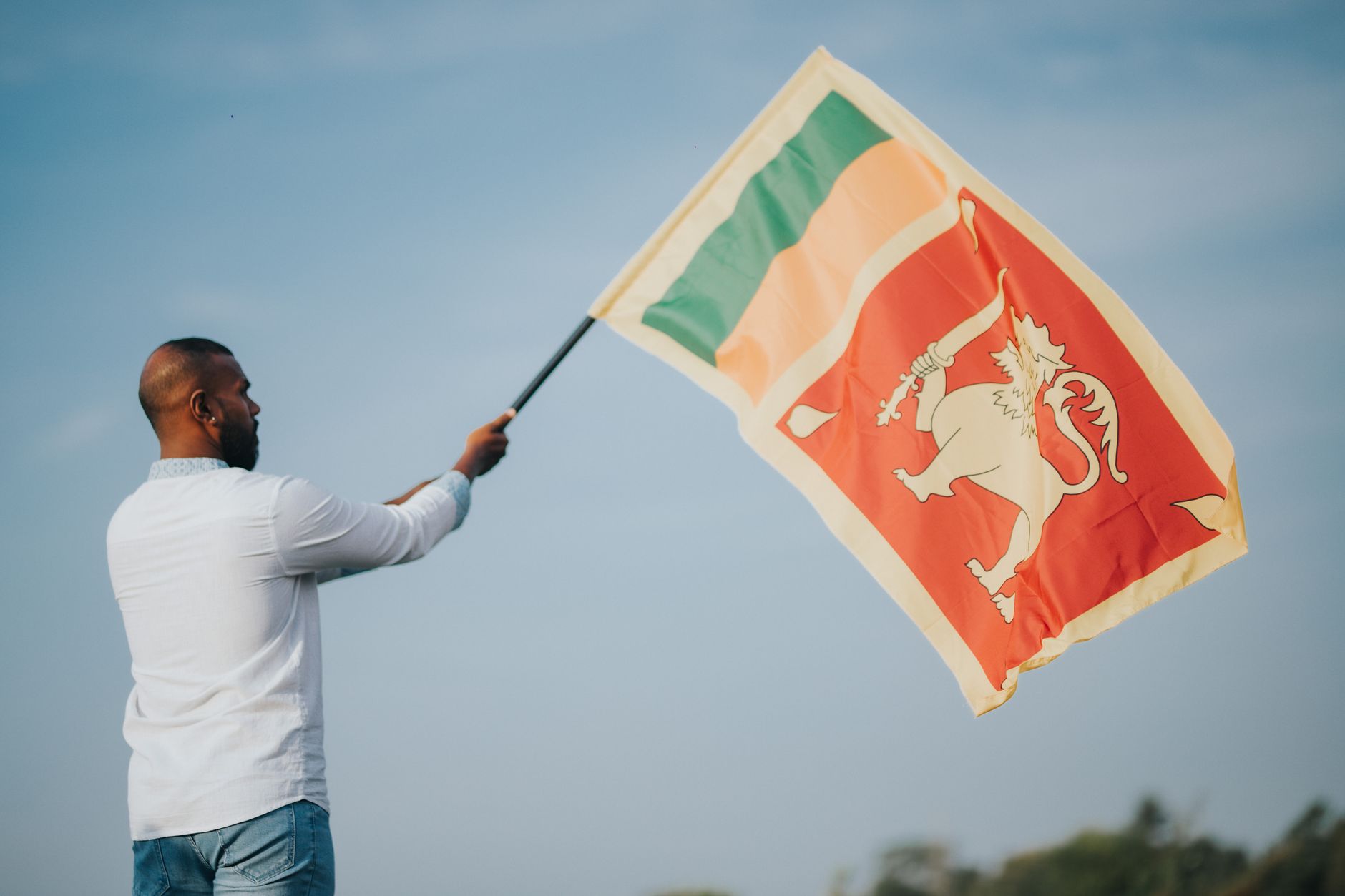
Photo by Chathura Anuradha Subasinghe on Pexels