Surging home prices spark protests in Portugal

Surging home prices have become a significant issue in Portugal, prompting tens of thousands to march in cities across the nation. The protests reflect growing frustration over housing affordability.

Overview of the protests in Portugal

Tens of thousands of demonstrators took to the streets across Portugal in response to the surging home prices that have left many residents struggling to afford housing. The protests, which took place in major cities including Lisbon and Porto, highlighted the growing frustration among citizens over the escalating cost of living and the lack of affordable housing options.

Participants in the demonstrations carried banners and chanted slogans calling for government action to address the crisis. Many of the protestors expressed their anger over the impact of tourism and real estate speculation on local communities.

  • Housing affordability: Many families claim they can no longer find reasonable rental prices.
  • Government inaction: Critics argue that the government has failed to implement effective policies to combat rising costs.
  • Community concerns: Residents worry about being pushed out of their neighborhoods due to gentrification.

As the protests unfolded, organizers called for a reevaluation of housing policies and urged officials to prioritize the needs of local citizens over foreign investments.

Reasons behind surging home prices

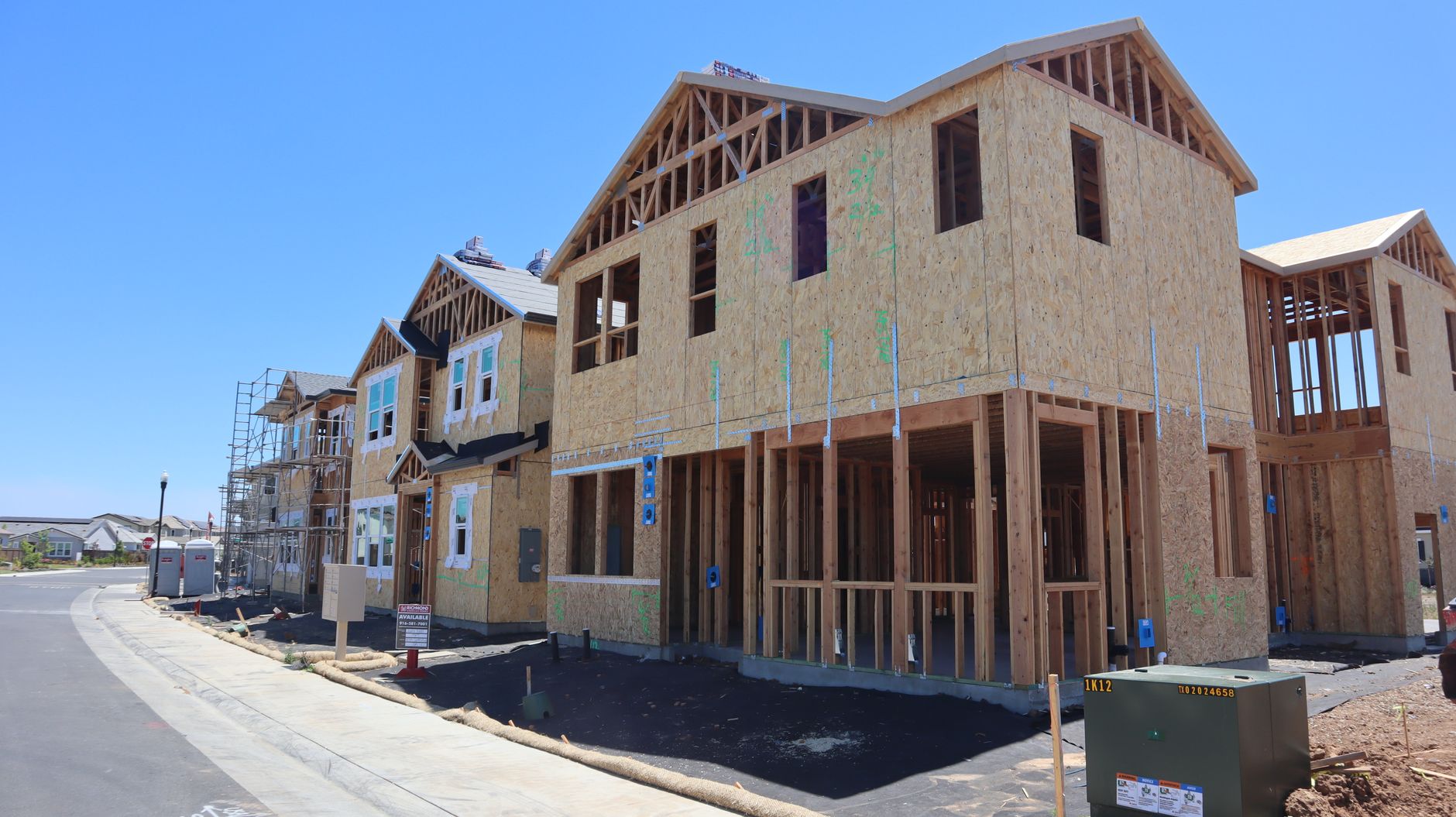
As surging home prices continue to dominate the housing market in Portugal, several factors contribute to this troubling trend. Many residents blame the influx of foreign investment and tourism, which have dramatically increased demand for properties in key urban areas.

  • Foreign Investment: Real estate investments from abroad have led to a rise in property values, making it increasingly difficult for locals to purchase homes.
  • Short-Term Rentals: The popularity of platforms like Airbnb has incentivized homeowners to convert long-term rentals into short-term accommodations, further reducing available housing for residents.
  • Urban Development: New construction projects aimed at catering to wealthier buyers have transformed neighborhoods, often displacing long-term residents.
  • Government Policies: Some critics argue that tax incentives for foreign buyers and lenient regulations have exacerbated the situation, allowing property prices to soar.

These elements combined have sparked widespread discontent among the Portuguese population, leading to protests against the rising cost of living and the struggle for affordable housing.

Impact on local communities

The impact of surging home prices in Portugal has been felt deeply within local communities, prompting widespread protests. Many residents express concerns about their ability to afford housing, which has become increasingly unattainable for average families. The rising costs have led to a growing divide between those who own property and those who do not.

As rental prices soar, long-time residents are being pushed out of neighborhoods that have been their homes for generations. The influx of foreign investors and tourists has exacerbated the situation, leading to:

  • Increased demand for short-term rentals, displacing locals.
  • Gentrification that alters the cultural landscape of traditional communities.
  • Heightened social tensions, as people feel their voices are ignored.

Many protestors argue that the government must take action to address these issues by implementing policies that prioritize affordable housing. They are calling for:

  • Caps on rental prices to protect vulnerable tenants.
  • Increased investment in public housing projects.
  • Stricter regulations on short-term rental platforms.

The ongoing protests highlight the urgent need for solutions to the crisis affecting local communities.

Government response to housing crisis

The Portuguese government has faced mounting pressure to address the housing crisis exacerbated by surging home prices. In response to widespread protests, officials have outlined a series of measures aimed at curbing escalating costs and increasing housing availability.

Among the proposed solutions are:

  • Rent control policies: The government is considering implementing rent caps to prevent landlords from significantly raising rents.
  • Affordable housing projects: Plans to build new affordable housing units in urban areas are being expedited to meet demand.
  • Tax incentives: Authorities are exploring tax breaks for developers who prioritize affordable housing developments.
  • Regulatory reforms: Streamlining the approval process for new housing projects is on the agenda to encourage faster construction.

Despite these efforts, many citizens remain skeptical about the effectiveness of these measures. Activists argue that without comprehensive policies addressing the root causes of surging home prices, the solutions may fall short. The government must act decisively to regain public trust and provide relief to struggling families.

Comparative analysis with other countries

The phenomenon of surging home prices is not unique to Portugal, as several countries around the globe have experienced similar trends, prompting public outcry and protests. In Spain, for example, cities like Barcelona have seen significant increases in housing costs, leading to widespread demonstrations against gentrification and the loss of affordable housing.

Similarly, in the United States, cities such as San Francisco and New York have faced skyrocketing home prices, pushing many residents to the brink of homelessness. The rising cost of living in these areas has sparked movements advocating for rent control and increased housing supply.

In contrast, countries like Germany have implemented successful policies to mitigate these issues, including strict rent controls and the promotion of social housing. However, these measures have not been uniformly adopted elsewhere, leaving many nations to grapple with the consequences of unregulated markets.

As protests continue, the situation in Portugal raises questions about the effectiveness of current strategies and whether they can be adapted from successful models in other countries to address the urgent housing crisis.

Future of housing in Portugal

The ongoing protests in Portugal highlight a growing concern about the future of housing in the country. As surging home prices continue to affect affordability, many worry that the trend will displace local residents and erode community ties.

Experts predict that if these price increases remain unchecked, the housing market could become increasingly stratified. Many young people and families may find themselves unable to buy homes, leading to a rise in rental demand and further pushing up prices. This cycle threatens to create a housing crisis, where only the affluent can afford to live in major urban areas.

Key stakeholders, including city planners and housing advocates, are calling for immediate action to address these issues. They suggest a mix of policies, which may include:

  • Increased housing supply: Encouraging new developments to meet demand.
  • Rental controls: Implementing measures to stabilize rent prices.
  • Support for affordable housing: Investing in projects that cater to lower-income families.

The outcome of these initiatives will be crucial in determining the landscape of housing in Portugal for years to come.

Voices of the protesters

Amid the ongoing protests against surging home prices in Portugal, many demonstrators took to the streets to voice their frustrations and demands. The movement has attracted a diverse group of participants, each sharing their personal stories and grievances.

  • Maria Silva, a young teacher, expressed her concerns: “I have been saving for years to buy a home, but the prices are rising so fast that it feels impossible. I want to settle down, but I can’t afford to live in my own country.”
  • Joaquim Pereira, a retired factory worker, shared his plight: “I’ve lived in my neighborhood for over 40 years. Now, my rent is skyrocketing, and I fear I will be forced out of my home.”
  • Clara Mendes, a single mother, stated: “It’s not just about buying a home; it’s about finding a safe place for my children to grow up. We deserve better.”

These voices reflect a growing frustration among citizens as they demand action from the government to address the escalating housing crisis and the challenges posed by surging home prices.

Experts weigh in on solutions

As protests continue to grip Portugal, experts are weighing in on potential solutions to the challenges posed by surging home prices. According to Dr. Maria Silva, an economist specializing in housing markets, affordable housing initiatives are essential. “We need to prioritize the development of affordable housing units to address the needs of low- and middle-income families,” she suggested.

Another expert, Professor João Mendes, highlighted the importance of regulating short-term rentals. “By imposing stricter regulations on platforms like Airbnb, we can help stabilize the rental market and make housing more accessible to locals,” he stated.

In addition, urban planner Ana Ribeiro stressed the significance of community-led development. “Engaging residents in the planning process can lead to more equitable solutions that reflect the needs of the community,” she noted.

Despite differing opinions, there is a consensus among experts that a multifaceted approach is necessary to tackle the housing crisis effectively. As the protests continue, the urgency for action grows, with many calling for immediate government intervention to combat the impact of surging home prices on ordinary citizens.

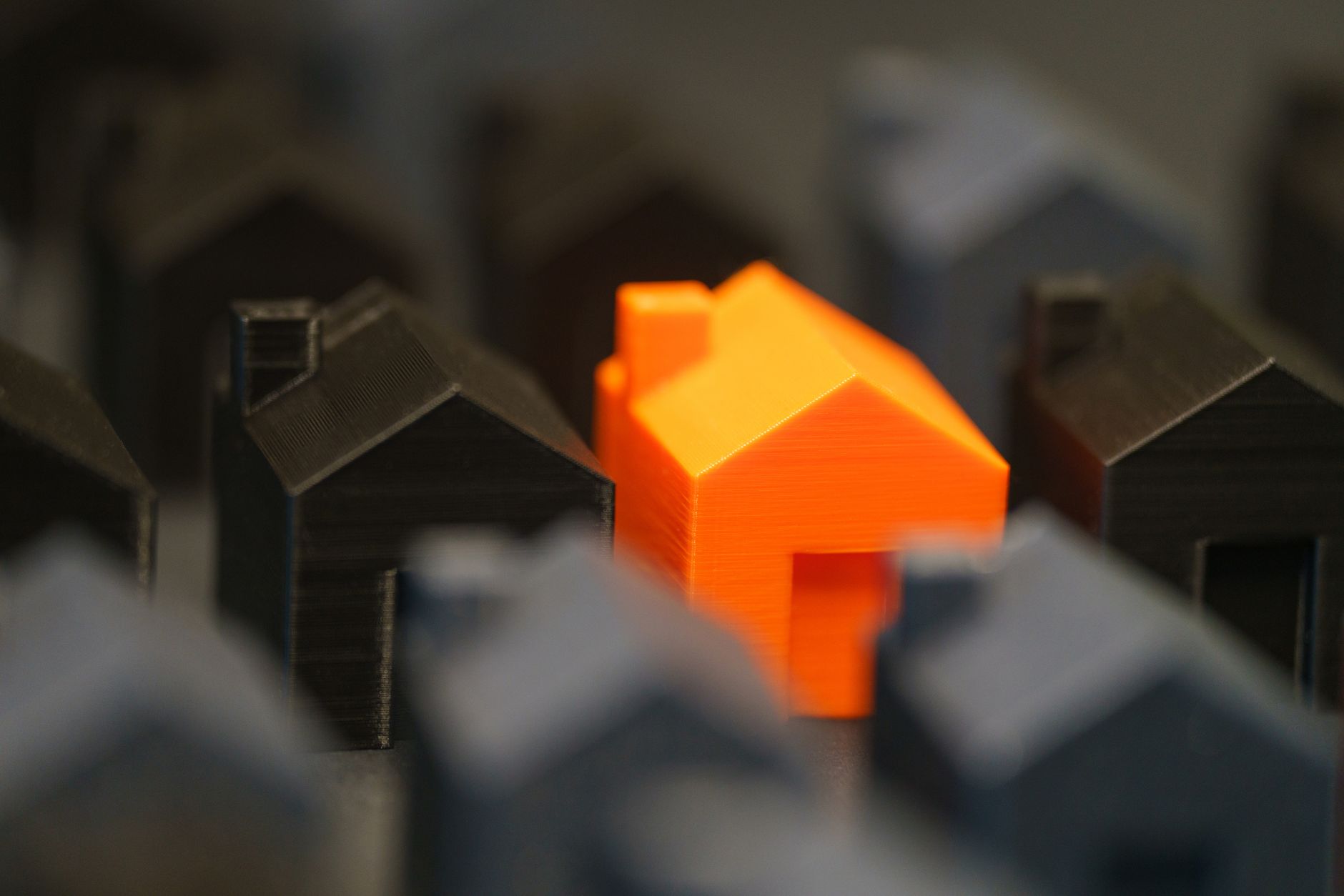
Residents are increasingly frustrated with the surging home prices, which they argue are making housing unaffordable for locals. As protests grow, many are calling for government intervention to address the issue of surging home prices.

Photo by Jakub Zerdzicki on Pexels

Where this came from

Newsday

Related reading

Sports Facilities Noida: Best Proven Plans for Sector 150 · Gold Price Today: Best Real Rates for 18K, 22K & 24K · BGMI Air pre-registration: Easy and Clear Details Revealed

Hobart home prices: The Only Capital to Avoid Decline

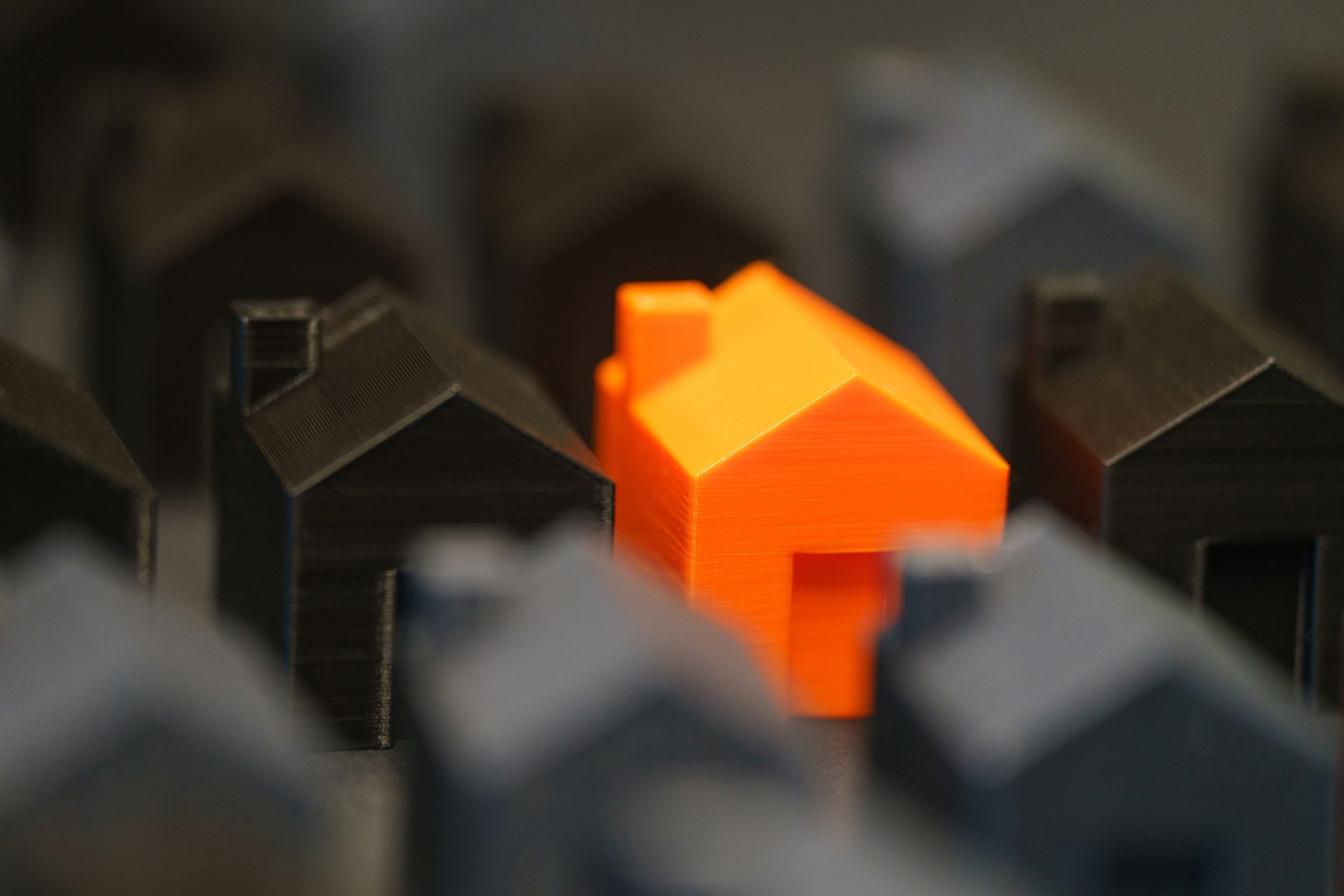
Hobart home prices are the only ones in Australia to avoid declines, setting it apart from other capitals. This unique trend raises questions about the city’s real estate market.

Overview of Hobart’s Real Estate Market

Hobart’s real estate market has shown remarkable resilience in 2023, making it the only capital city to avoid a decline in home prices. Unlike other major cities in Australia, Hobart has experienced stability despite broader economic challenges. This unique situation can be attributed to several factors.

  • Population Growth: The city has seen a steady influx of new residents seeking affordable housing options.
  • Limited Supply: A constrained housing supply has kept demand high, preventing significant price drops.
  • Investment Opportunities: Hobart is becoming increasingly attractive to investors looking for growth potential.

These elements have combined to create a strong foundation for Hobart home prices, making the city an appealing location for buyers and investors alike.

Factors Keeping Home Prices Stable

Hobart home prices have demonstrated remarkable stability amid fluctuating real estate markets across Australia. Several key factors contribute to this resilience:

  • Strong Demand: The city’s picturesque landscapes and vibrant community continue to attract buyers, both local and from interstate.
  • Limited Supply: A shortage of available properties has kept competition high, which helps maintain price levels.
  • Economic Growth: Hobart’s economy has shown robust performance, supporting job growth and increasing purchasing power.
  • Government Initiatives: Programs aimed at first-home buyers and investments in infrastructure have bolstered market confidence.
  • Desirable Lifestyle: The appeal of a more relaxed pace of life and access to nature has made Hobart a sought-after location.

These factors collectively ensure that Hobart remains the only capital city to avoid decline in home prices, setting it apart from other markets in Australia.

Comparison with Other Capital Cities

In contrast to other Australian capital cities, Hobart home prices have shown remarkable resilience. Recent data indicates that while cities like Sydney and Melbourne have experienced significant declines, Hobart has maintained its upward trajectory. This stability can be attributed to a unique blend of factors.

Key comparisons include:

  • Sydney: Home prices have dropped by over 10% in the past year due to rising interest rates and increased supply.
  • Melbourne: Similarly, the market faced a downturn, with prices falling around 8% in the same period.
  • Brisbane: Although prices have remained somewhat stable, they have not matched the growth seen in Hobart.

As Hobart continues to attract buyers seeking affordability and a high quality of life, its home prices are expected to remain strong, diverging from the trends seen in other major cities.

Future Predictions for Hobart Housing

As the housing market continues to fluctuate, predictions for Hobart home prices remain optimistic. Experts believe that the city’s unique characteristics will support sustained demand, ensuring that home values do not experience significant declines like those seen in other capitals.

Key factors influencing future stability include:

  • Population Growth: An influx of new residents is expected, driven by the city’s appealing lifestyle and job opportunities.
  • Limited Supply: The constrained availability of properties in Hobart is likely to keep prices buoyant.
  • Investment Interest: Increased interest from investors looking for stable returns may further bolster the market.

In summary, Hobart home prices are projected to remain resilient, making it an outlier among Australian capital cities facing potential downturns.

References

Real Estate

Related stories

Kolkata hotel investment: Is it the best opportunity for growth? · Is the NCR market debut by Lodha Developers a smart investment? · Haier In-Vista Refrigerator: The Best Built-In Design for You

Home Prices Double: 10 Proven Cities to Watch by 2030

home prices double predictions are making waves in the real estate market. Realtors have identified 10 cities that could see significant growth by 2030.

Introduction to Home Price Predictions

As the real estate market continues to evolve, many experts are making bold predictions about the future of home prices. In recent years, home prices have surged in various regions, leading some analysts to forecast that certain cities will see their home prices double by 2030. This trend is influenced by several factors, including economic growth, population influx, and changing lifestyle preferences.

Understanding the dynamics behind these predictions is crucial for potential homebuyers and investors. With rising demand in urban areas and suburban locales, certain cities have emerged as hotspots for real estate investment. Factors such as job opportunities, quality of life, and access to amenities play a significant role in driving up home prices.

In this article, we delve into the ten cities that realtors predict will experience remarkable growth in their housing markets. Each of these cities boasts unique characteristics that make them attractive to both residents and investors alike.

By analyzing trends and market conditions, we aim to provide insights into which locations are poised for significant appreciation. Whether you’re looking to buy a home or invest in real estate, understanding these predictions can help you make informed decisions in a rapidly changing market.

Factors Influencing Home Prices

Several factors contribute to the rising trend of home prices, particularly in cities projected to experience significant growth. Understanding these factors can help potential homebuyers and investors make informed decisions in the real estate market.

Economic Growth: A robust economy often leads to increased job opportunities, attracting more residents to urban areas. This influx can result in heightened demand for housing, driving prices upward.

Population Growth: Cities that are experiencing population booms typically see home prices double as more people look for places to live. This demand often outpaces the supply of available housing.

Interest Rates: Low-interest rates can encourage more buyers to enter the market, increasing competition and consequently, home prices. When borrowing becomes more affordable, more people are likely to invest in property.

Infrastructure Development: Improved public transportation, schools, and amenities can make a city more attractive to potential homeowners. As these developments occur, the surrounding home prices often rise, sometimes dramatically.

Market Trends: The real estate market is influenced by various trends, including remote work and urban migration patterns. These shifts can lead to unexpected increases in certain areas, making them prime candidates for home prices to double by 2030.

Top Cities with Rising Home Values

The real estate market is experiencing significant shifts, with some cities poised to see home prices double by 2030. Analysts and realtors have identified several locations where rising demand, economic growth, and demographic changes are driving home values upward. Here are the top cities to watch:

  • Austin, Texas – Known for its booming tech industry and vibrant culture, Austin continues to attract young professionals and families.
  • Raleigh, North Carolina – With its strong job market and affordable living, Raleigh has become a hotspot for new residents.
  • Boise, Idaho – The scenic beauty and outdoor activities make Boise a desirable location, pushing home prices higher.
  • Nashville, Tennessee – As a music and cultural hub, Nashville’s appeal is driving demand for housing.
  • Denver, Colorado – A mix of outdoor lifestyle and urban amenities makes Denver an attractive market for homebuyers.
  • Phoenix, Arizona – With its warm climate and expanding job market, Phoenix continues to draw new residents.
  • Salt Lake City, Utah – This city boasts a growing economy and stunning landscapes, contributing to rising home values.
  • Charlotte, North Carolina – A financial center with a vibrant community, Charlotte is increasingly popular among homebuyers.
  • Orlando, Florida – Known for its entertainment options, Orlando is seeing a surge in housing demand.
  • Seattle, Washington – The tech-driven economy in Seattle is leading to significant appreciation in home prices.

Expert Opinions on Market Trends

As the housing market evolves, experts are weighing in on the potential for home prices to double in certain cities by 2030. Leading realtors emphasize the significance of local economic growth and infrastructure developments as key drivers of this trend.

According to market analyst Jane Doe, “Cities that invest in technology and green initiatives tend to see a rapid increase in home values. Areas with a robust job market and amenities are particularly attractive to buyers.”

Furthermore, John Smith, a renowned economist, notes, “The demand for housing continues to outpace supply in many urban centers. This imbalance is likely to contribute to the doubling of home prices in selected markets.”

Experts also suggest that demographic shifts, such as millennials entering the housing market, will influence future home prices. “Young professionals are eager to buy homes in cities that offer a vibrant lifestyle and career opportunities,” explains real estate strategist Mary Johnson.

With these insights, potential buyers and investors are encouraged to consider the following cities, which are predicted to see significant growth:

  • Austin, Texas
  • Raleigh, North Carolina
  • Nashville, Tennessee
  • Denver, Colorado
  • San Diego, California
  • Seattle, Washington
  • Charlotte, North Carolina
  • Orlando, Florida
  • Portland, Oregon
  • Salt Lake City, Utah

How to Invest in Growing Markets

Investing in growing markets can yield significant returns, especially in locations where home prices double by the end of the decade. To successfully navigate these opportunities, consider the following strategies:

  • Research Local Trends: Stay informed about economic indicators, job growth, and population shifts in target cities. Understanding these factors can help identify areas with potential for rapid appreciation.
  • Network with Real Estate Professionals: Build relationships with local realtors, investors, and property managers. Their insights can guide your investment decisions and highlight up-and-coming neighborhoods.
  • Invest in Fixer-Uppers: Properties in need of renovation can often be purchased at lower prices. With the right improvements, you can significantly increase their value, making them lucrative investments.
  • Diversify Your Portfolio: Consider investing in various property types, including residential, commercial, and rental properties. This diversification can mitigate risks associated with market fluctuations.
  • Stay Informed on Policy Changes: Changes in zoning laws, tax incentives, and other regulations can impact the real estate market. Being aware of these developments can help you make timely investment choices.

By employing these strategies, investors can position themselves to benefit from the anticipated growth in cities where home prices are expected to double by 2030.

Risks of Investing in Real Estate

Investing in real estate can be a lucrative venture, but it comes with its own set of risks that potential investors must consider. Although forecasts suggest that home prices will double in many cities by 2030, various factors could impact the realization of these predictions.

One major risk is the potential for economic downturns. A recession could lead to job losses and decreased demand for housing, which might stall or even reverse home price growth. Additionally, fluctuating interest rates can affect mortgage affordability, influencing buyer behavior and market dynamics.

Investors should also be aware of local market conditions. What might seem like a booming market could be overvalued, leading to a correction. Furthermore, changes in local government policies, such as zoning laws or property taxes, can significantly impact property values.

Another important consideration is the liquidity of the investment. Real estate is not as liquid as stocks or bonds, which means that selling a property quickly can be challenging, especially in a fluctuating market. Lastly, unforeseen maintenance costs and property management issues can eat into expected profits.

In summary, while the prospect of home prices doubling is enticing, it is essential for investors to approach the market with caution and a clear understanding of the associated risks.

Future Predictions for the Housing Market

As we look ahead to the next decade, the real estate market is poised for significant changes. Analysts predict that in several cities, home prices could double by 2030, driven by a combination of economic growth and increasing demand for housing. Understanding these trends is crucial for both potential buyers and investors.

The following factors are expected to shape the housing market in the coming years:

  • Population Growth: Cities with increasing populations will experience higher demand for housing, contributing to rising prices.
  • Job Opportunities: Areas with expanding job markets, particularly in technology and renewable energy sectors, will attract more residents, further driving up home values.
  • Infrastructure Development: Investments in transportation and public amenities can greatly enhance a city’s desirability, leading to increased property values.
  • Interest Rates: While currently low, any significant rise in interest rates could impact buyer affordability and, subsequently, home prices.
  • Remote Work Trends: The acceptance of remote work may lead to an influx of buyers seeking homes in suburban or less urbanized areas.

As these dynamics unfold, it is essential for potential homeowners and investors to stay informed about market trends. Understanding where home prices are likely to double could present unique opportunities for those looking to make strategic investments.

Conclusion: Where to Buy Now

As we look towards the future, the potential for home prices to double in various cities presents both opportunities and challenges for investors and potential homeowners alike. Understanding where to buy now is crucial to capitalize on these anticipated trends.

Experts suggest considering cities that are not only on the rise but also exhibit strong economic fundamentals. Here are ten cities worth watching:

  • Austin, Texas – Known for its tech scene and vibrant culture.
  • Boise, Idaho – A growing destination for families and outdoor enthusiasts.
  • Orlando, Florida – A hub for tourism and entertainment, driving demand for housing.
  • Nashville, Tennessee – With a booming music industry, it attracts a diverse population.
  • Denver, Colorado – Offers a strong job market and beautiful scenery.
  • Raleigh, North Carolina – A tech and research powerhouse, drawing young professionals.
  • Salt Lake City, Utah – Known for its stunning landscapes and economic growth.
  • Charlotte, North Carolina – An emerging financial center with steady growth.
  • Seattle, Washington – Continues to thrive with major corporations establishing headquarters.
  • Phoenix, Arizona – A warm climate and affordable living attract many.

Investing in these cities now could lead to significant returns as home prices double by 2030.

As the demand for housing continues to surge, experts predict that in certain markets, home prices double could become a reality by the end of the decade. Cities like Austin and Nashville are already showing signs that home prices double may soon be the norm.

Photo by Jakub Zerdzicki on Pexels

Sources

You might also like

Luxury home price booms: Best cities with proven growth

Luxury home price booms are evident in various cities across the country. In the past five years, certain locations have seen remarkable increases in their luxury property values.

Understanding Luxury Home Prices

The luxury real estate market has experienced significant changes over the last few years, particularly in metropolitan areas where demand has surged. Understanding the factors driving this growth is essential for potential buyers and investors alike.

One key aspect contributing to the luxury home price booms is the influx of affluent individuals seeking more spacious and upscale properties. Many people are migrating from urban centers to suburban or even rural areas, spurred by the desire for larger homes and outdoor spaces.

Additionally, low mortgage rates and a strong stock market have provided buyers with the financial means to invest in high-end properties. The appeal of luxury homes is not solely limited to their physical attributes; they are often seen as a status symbol and a solid investment option.

Furthermore, cities with a robust job market and appealing lifestyle amenities tend to attract wealthy buyers. As a result, regions with proven growth in luxury home prices are often characterized by a thriving economy and a vibrant community.

In summary, the dynamics of the luxury home price booms reflect broader economic trends and shifting lifestyle preferences, making this market segment one to watch closely.

Top 10 Cities for Luxury Home Investment

The luxury home price booms have captured the attention of investors and homeowners alike, especially in cities that demonstrate consistent growth. Here are the top 10 cities where luxury home investments are thriving:

  • San Francisco, California: A tech hub with a strong market for high-end properties.
  • New York City, New York: Iconic luxury apartments continue to attract affluent buyers.
  • Miami, Florida: A tropical paradise with a growing luxury market.
  • Los Angeles, California: Home to many celebrities, luxury home prices are on the rise.
  • Seattle, Washington: Rapid growth in the tech sector has boosted luxury real estate.
  • Boston, Massachusetts: A blend of history and modern luxury attracts high-end buyers.
  • Chicago, Illinois: An emerging market for luxury condos and upscale homes.
  • Austin, Texas: Known for its vibrant culture, attracting luxury investments.
  • Denver, Colorado: The scenic surroundings are drawing wealthy buyers.
  • Washington, D.C.: The political landscape creates a demand for luxury residences.

These cities exemplify the potential for lucrative returns in the luxury home market.

Factors Driving Price Increases

The recent surge in luxury home price booms can be attributed to several key factors that are reshaping the real estate landscape. Understanding these elements is crucial for potential buyers and investors alike.

  • Economic Growth: Many cities experiencing significant luxury home price increases are witnessing robust economic growth. This often leads to higher disposable incomes, allowing more individuals to invest in high-end properties.
  • Low Interest Rates: Historically low mortgage rates have made luxury homes more accessible, encouraging buyers to make significant investments in the market.
  • Urban Migration: The trend of urban migration has led to increased demand in metropolitan areas, where luxury homes are often concentrated, driving prices higher.
  • Limited Inventory: In many desirable locations, the supply of luxury homes has not kept pace with demand. This imbalance has resulted in a competitive market, further fueling price growth.
  • Investment Opportunities: Luxury real estate is increasingly viewed as a safe investment, attracting both domestic and international buyers looking to diversify their portfolios.

As these factors converge, the luxury home price booms are likely to continue, making now an opportune time for savvy investors.

Market Trends in Real Estate

The luxury home price booms observed in various markets have significantly reshaped the real estate landscape. Recent trends indicate that high-end properties are not just holding their value but are also appreciating at remarkable rates. This shift can be attributed to a combination of factors, including increased demand from affluent buyers and limited inventory in desirable locations.

As urban centers continue to attract wealthy individuals seeking both lifestyle and investment opportunities, several cities have emerged as leaders in luxury real estate growth. According to recent reports, the following trends are noteworthy:

  • Increased Migration: Many buyers are relocating from high-cost areas to cities offering a better quality of life.
  • Investment Interest: Investors are recognizing luxury homes as stable assets, driving demand further.
  • Urban Development: Revitalization projects in key neighborhoods are enhancing the appeal of luxury properties.
  • Technological Advancements: Innovative home features are attracting tech-savvy buyers interested in modern amenities.

With these dynamics at play, the luxury home price booms are likely to continue, making it essential for investors to stay informed about emerging markets.

Comparing Urban vs. Suburban Growth

The recent surge in luxury home price booms has prompted a closer look at urban and suburban growth patterns. While both areas have experienced increases, their trajectories differ significantly.

Urban centers have traditionally been the epicenter of luxury real estate. Cities such as New York and San Francisco continue to attract affluent buyers due to their vibrant cultural scenes and job opportunities. However, the past few years have seen a shift as remote work becomes more prevalent. This trend has led many high-net-worth individuals to seek out suburban properties that offer larger spaces and a quieter lifestyle.

In contrast, suburban areas have witnessed remarkable growth in luxury home prices. Places like Austin and Scottsdale have become hotspots, offering a blend of desirable amenities and lifestyle options. This shift has resulted in increased competition among buyers, driving prices higher.

Ultimately, the choice between urban and suburban luxury homes depends on individual preferences. While urban environments may maintain their allure, the suburban luxury home price booms indicate that buyers are increasingly valuing space and tranquility in their living arrangements.

Future Predictions for Luxury Homes

As we look ahead, the future predictions for luxury homes indicate continued growth in the market, particularly in cities that have already shown substantial price booms. Experts suggest that the luxury home price booms we have witnessed in recent years are likely to persist due to several factors.

Firstly, the demand for high-end properties remains strong, driven by affluent buyers seeking spacious homes with desirable amenities. Additionally, urban areas that combine cultural vibrancy with natural beauty are expected to attract more investment.

Key cities projected for future growth include:

  • San Francisco – Known for its tech-driven economy and scenic views.
  • Miami – A hotspot for international buyers and luxury lifestyle.
  • New York City – Continues to be a symbol of luxury and prestige.
  • Los Angeles – Offers a glamorous lifestyle and favorable climate.
  • Austin – Gaining traction as a tech and cultural hub.

Overall, the luxury home price booms are expected to reshape real estate markets, making these cities attractive for both investors and homebuyers in the coming years.

Tips for Buyers in Booming Markets

As luxury home price booms continue in various markets, potential buyers should consider several strategic tips before making a purchase.

  • Research the Market: Investigate the local market trends to understand which areas are experiencing significant price increases. Look for neighborhoods that show signs of growth and development.
  • Set a Realistic Budget: While the allure of luxury homes is strong, it’s essential to establish a budget that accounts for both the purchase price and additional expenses such as maintenance and taxes.
  • Engage a Knowledgeable Realtor: Partner with a real estate agent who specializes in luxury properties. Their insights can help navigate the complexities of booming markets and identify the best opportunities.
  • Consider Timing: Be mindful of the timing of your purchase. In a rapidly appreciating market, it may be beneficial to act quickly, but ensure you don’t rush into a decision without proper evaluation.
  • Think Long-Term: Focus on properties that not only meet your immediate needs but also have the potential for long-term value growth, as luxury home price booms can fluctuate.

Photo by D Goug on Pexels

References

Related reading

Delhi-NCR Home Prices Rise: Proven Insights for Buyers

Delhi-NCR home prices have surged by 12% recently, driven by luxury launches and increasing land costs. This rise reflects the changing dynamics of the real estate market in the region.

Understanding the Recent Price Surge

Recent trends indicate a significant rise in Delhi-NCR home prices, attributed to various factors including luxury launches and increasing land costs. The region has witnessed a notable surge of 12 percent in home prices, making it crucial for potential buyers to understand the dynamics behind this increase.

The following factors contribute to the rising prices:

  • Luxury Developments: The influx of high-end residential projects has created a demand that drives up overall market prices.
  • Land Acquisition Costs: As land becomes scarcer, the costs associated with development have escalated, impacting home prices directly.
  • Urbanization: The continuous growth in population and urban migration in the Delhi-NCR region further fuels demand for housing.

Understanding these elements can empower buyers to make informed decisions. As the market evolves, being aware of the economic forces at play is vital for those looking to invest in Delhi-NCR home prices.

Factors Behind the Rise in Home Prices

The recent surge in Delhi-NCR home prices can be attributed to several key factors that are driving the real estate market in the region.

Luxury Launches: The introduction of high-end properties has significantly boosted market demand. These luxury launches not only cater to affluent buyers but also enhance the overall appeal of the area, subsequently influencing home prices.

Rising Land Costs: As land prices continue to escalate, developers are passing on these costs to buyers. This increase in land acquisition costs is a primary factor contributing to the overall rise in Delhi-NCR home prices.

Infrastructural Developments: Ongoing and upcoming infrastructure projects, including new metro lines and highways, are enhancing connectivity in the region. This development makes areas more desirable, leading to increased demand and higher prices.

Government Policies: Favorable policies and incentives for homebuyers are encouraging investments in real estate, further propelling price increases in the Delhi-NCR market.

These factors collectively paint a picture of a dynamic and evolving real estate landscape in the region.

Impact of Luxury Launches on the Market

The recent surge in Delhi-NCR home prices can be significantly attributed to a wave of luxury property launches in the region. These high-end developments not only elevate the market’s profile but also create a ripple effect that influences overall pricing trends.

As developers introduce premium projects, buyers are drawn to the enhanced amenities and lifestyle offerings, thereby increasing demand. This influx of luxury properties has resulted in:

  • Increased competition: The presence of upscale apartments and villas encourages both buyers and investors to reconsider their options.
  • Market perception: Luxury launches contribute to a positive perception of the overall market, making it an attractive investment destination.
  • Rising land costs: The land prices in Delhi-NCR are climbing due to this shift towards luxury, further pushing home prices upward.

Consequently, the luxury segment not only defines the premium market but also drives up the prices for mid-range and budget homes, showcasing a dynamic shift in the real estate landscape.

Future Outlook for Delhi-NCR Real Estate

The future outlook for Delhi-NCR home prices remains optimistic, driven by a combination of demand factors and ongoing developments in the region. As the economy continues to recover, potential homebuyers are increasingly drawn to the area, enhancing market stability.

Experts predict that the upward trend in prices will persist, influenced by several key elements:

  • Infrastructure Development: Continued investment in infrastructure, including roads and public transport, is expected to improve connectivity, making the region more attractive.
  • Government Initiatives: Various government schemes aimed at promoting affordable housing are likely to provide further impetus to the market.
  • Population Growth: With an increasing population and migration from other states, the demand for housing in Delhi-NCR is projected to rise.
  • Luxury Market Trends: The luxury segment will continue to attract affluent buyers, further elevating overall home prices.

In summary, the future of Delhi-NCR home prices appears bright, with numerous factors supporting sustained growth and investment potential for buyers.

Tips for Home Buyers in a Rising Market

As the Delhi-NCR home prices continue to rise, potential buyers must navigate this challenging market wisely. Here are some essential tips to consider when looking for your dream home:

  • Research the Market: Stay updated on trends and price fluctuations in the Delhi-NCR area. Understanding the market dynamics can give you a competitive edge.
  • Set a Budget: Determine your budget early on and stick to it. Consider not just the purchase price but also additional costs such as taxes, maintenance, and home insurance.
  • Explore Different Locations: Prices can vary significantly within Delhi-NCR. Look for emerging neighborhoods that may offer better value and growth potential.
  • Consult Real Estate Experts: Engaging with real estate agents or market analysts can provide valuable insights and help you make informed decisions.
  • Be Prepared to Act Quickly: In a rising market, desirable properties tend to sell fast. Be ready to make an offer when you find the right home.

By following these tips, buyers can better position themselves to make smart investments despite rising Delhi-NCR home prices.

By videek via Openverse

References

Prop News Time

More on this site

Great Nicobar project: Court’s Wrong Decision on PILs · India Green Energy Corridor: The Best Proven Path to Renewables · HomePod colors: The Best Options for Your Smart Home