
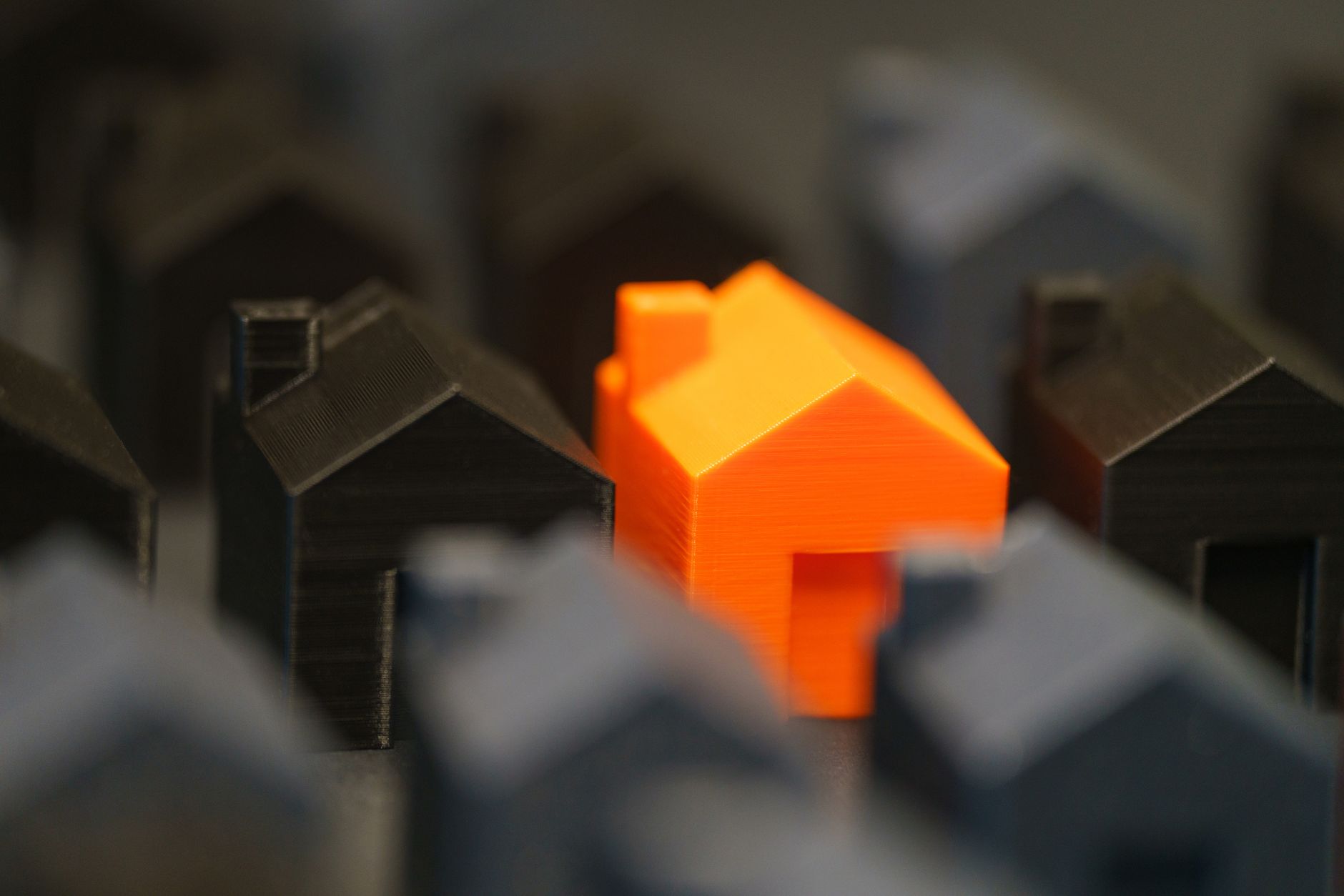

Surging home prices spark protests in Portugal
Surging home prices have become a significant issue in Portugal, prompting tens of thousands to march in cities across the nation. The protests reflect growing frustration over housing affordability.
Overview of the protests in Portugal
Tens of thousands of demonstrators took to the streets across Portugal in response to the surging home prices that have left many residents struggling to afford housing. The protests, which took place in major cities including Lisbon and Porto, highlighted the growing frustration among citizens over the escalating cost of living and the lack of affordable housing options.
Participants in the demonstrations carried banners and chanted slogans calling for government action to address the crisis. Many of the protestors expressed their anger over the impact of tourism and real estate speculation on local communities.
- Housing affordability: Many families claim they can no longer find reasonable rental prices.
- Government inaction: Critics argue that the government has failed to implement effective policies to combat rising costs.
- Community concerns: Residents worry about being pushed out of their neighborhoods due to gentrification.
As the protests unfolded, organizers called for a reevaluation of housing policies and urged officials to prioritize the needs of local citizens over foreign investments.
Reasons behind surging home prices
As surging home prices continue to dominate the housing market in Portugal, several factors contribute to this troubling trend. Many residents blame the influx of foreign investment and tourism, which have dramatically increased demand for properties in key urban areas.
- Foreign Investment: Real estate investments from abroad have led to a rise in property values, making it increasingly difficult for locals to purchase homes.
- Short-Term Rentals: The popularity of platforms like Airbnb has incentivized homeowners to convert long-term rentals into short-term accommodations, further reducing available housing for residents.
- Urban Development: New construction projects aimed at catering to wealthier buyers have transformed neighborhoods, often displacing long-term residents.
- Government Policies: Some critics argue that tax incentives for foreign buyers and lenient regulations have exacerbated the situation, allowing property prices to soar.
These elements combined have sparked widespread discontent among the Portuguese population, leading to protests against the rising cost of living and the struggle for affordable housing.
Impact on local communities
The impact of surging home prices in Portugal has been felt deeply within local communities, prompting widespread protests. Many residents express concerns about their ability to afford housing, which has become increasingly unattainable for average families. The rising costs have led to a growing divide between those who own property and those who do not.
As rental prices soar, long-time residents are being pushed out of neighborhoods that have been their homes for generations. The influx of foreign investors and tourists has exacerbated the situation, leading to:
- Increased demand for short-term rentals, displacing locals.
- Gentrification that alters the cultural landscape of traditional communities.
- Heightened social tensions, as people feel their voices are ignored.
Many protestors argue that the government must take action to address these issues by implementing policies that prioritize affordable housing. They are calling for:
- Caps on rental prices to protect vulnerable tenants.
- Increased investment in public housing projects.
- Stricter regulations on short-term rental platforms.
The ongoing protests highlight the urgent need for solutions to the crisis affecting local communities.
Government response to housing crisis
The Portuguese government has faced mounting pressure to address the housing crisis exacerbated by surging home prices. In response to widespread protests, officials have outlined a series of measures aimed at curbing escalating costs and increasing housing availability.
Among the proposed solutions are:
- Rent control policies: The government is considering implementing rent caps to prevent landlords from significantly raising rents.
- Affordable housing projects: Plans to build new affordable housing units in urban areas are being expedited to meet demand.
- Tax incentives: Authorities are exploring tax breaks for developers who prioritize affordable housing developments.
- Regulatory reforms: Streamlining the approval process for new housing projects is on the agenda to encourage faster construction.
Despite these efforts, many citizens remain skeptical about the effectiveness of these measures. Activists argue that without comprehensive policies addressing the root causes of surging home prices, the solutions may fall short. The government must act decisively to regain public trust and provide relief to struggling families.
Comparative analysis with other countries
The phenomenon of surging home prices is not unique to Portugal, as several countries around the globe have experienced similar trends, prompting public outcry and protests. In Spain, for example, cities like Barcelona have seen significant increases in housing costs, leading to widespread demonstrations against gentrification and the loss of affordable housing.
Similarly, in the United States, cities such as San Francisco and New York have faced skyrocketing home prices, pushing many residents to the brink of homelessness. The rising cost of living in these areas has sparked movements advocating for rent control and increased housing supply.
In contrast, countries like Germany have implemented successful policies to mitigate these issues, including strict rent controls and the promotion of social housing. However, these measures have not been uniformly adopted elsewhere, leaving many nations to grapple with the consequences of unregulated markets.
As protests continue, the situation in Portugal raises questions about the effectiveness of current strategies and whether they can be adapted from successful models in other countries to address the urgent housing crisis.
Future of housing in Portugal
The ongoing protests in Portugal highlight a growing concern about the future of housing in the country. As surging home prices continue to affect affordability, many worry that the trend will displace local residents and erode community ties.
Experts predict that if these price increases remain unchecked, the housing market could become increasingly stratified. Many young people and families may find themselves unable to buy homes, leading to a rise in rental demand and further pushing up prices. This cycle threatens to create a housing crisis, where only the affluent can afford to live in major urban areas.
Key stakeholders, including city planners and housing advocates, are calling for immediate action to address these issues. They suggest a mix of policies, which may include:
- Increased housing supply: Encouraging new developments to meet demand.
- Rental controls: Implementing measures to stabilize rent prices.
- Support for affordable housing: Investing in projects that cater to lower-income families.
The outcome of these initiatives will be crucial in determining the landscape of housing in Portugal for years to come.
Voices of the protesters
Amid the ongoing protests against surging home prices in Portugal, many demonstrators took to the streets to voice their frustrations and demands. The movement has attracted a diverse group of participants, each sharing their personal stories and grievances.
- Maria Silva, a young teacher, expressed her concerns: “I have been saving for years to buy a home, but the prices are rising so fast that it feels impossible. I want to settle down, but I can’t afford to live in my own country.”
- Joaquim Pereira, a retired factory worker, shared his plight: “I’ve lived in my neighborhood for over 40 years. Now, my rent is skyrocketing, and I fear I will be forced out of my home.”
- Clara Mendes, a single mother, stated: “It’s not just about buying a home; it’s about finding a safe place for my children to grow up. We deserve better.”
These voices reflect a growing frustration among citizens as they demand action from the government to address the escalating housing crisis and the challenges posed by surging home prices.
Experts weigh in on solutions
As protests continue to grip Portugal, experts are weighing in on potential solutions to the challenges posed by surging home prices. According to Dr. Maria Silva, an economist specializing in housing markets, affordable housing initiatives are essential. “We need to prioritize the development of affordable housing units to address the needs of low- and middle-income families,” she suggested.
Another expert, Professor João Mendes, highlighted the importance of regulating short-term rentals. “By imposing stricter regulations on platforms like Airbnb, we can help stabilize the rental market and make housing more accessible to locals,” he stated.
In addition, urban planner Ana Ribeiro stressed the significance of community-led development. “Engaging residents in the planning process can lead to more equitable solutions that reflect the needs of the community,” she noted.
Despite differing opinions, there is a consensus among experts that a multifaceted approach is necessary to tackle the housing crisis effectively. As the protests continue, the urgency for action grows, with many calling for immediate government intervention to combat the impact of surging home prices on ordinary citizens.
Residents are increasingly frustrated with the surging home prices, which they argue are making housing unaffordable for locals. As protests grow, many are calling for government intervention to address the issue of surging home prices.
Photo by Jakub Zerdzicki on Pexels
Where this came from
Related reading
Sports Facilities Noida: Best Proven Plans for Sector 150 · Gold Price Today: Best Real Rates for 18K, 22K & 24K · BGMI Air pre-registration: Easy and Clear Details Revealed