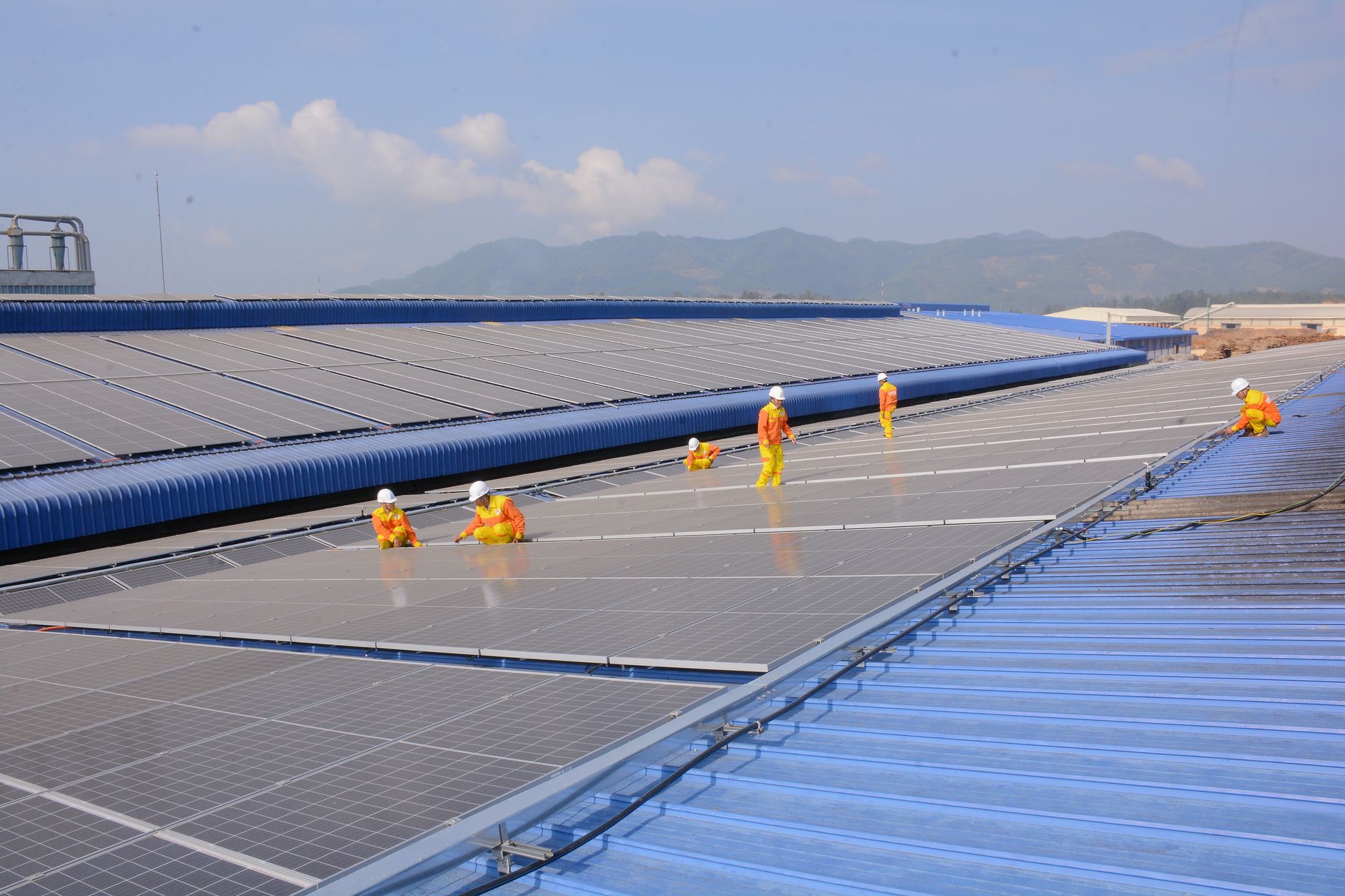

PM-KUSUM Solar Projects: Are They the Best Renewable Solution?
PM-KUSUM Solar Projects have recently received approval from UPERC, marking a significant step in renewable energy development. This initiative aims to enhance solar energy adoption across the region.
Overview of PM-KUSUM Solar Projects
The PM-KUSUM Solar Projects aim to promote the use of solar energy in India, facilitating a shift towards renewable energy sources. This initiative, launched by the Government of India, seeks to enhance energy security and reduce dependency on fossil fuels. Recently, the Uttar Pradesh Electricity Regulatory Commission (UPERC) approved ten Power Purchase Agreements (PPAs) as part of this program, demonstrating the growing momentum behind these solar projects.
Under the PM-KUSUM scheme, farmers and rural communities are encouraged to install solar panels, enabling them to generate their own electricity. This not only helps in reducing their energy bills but also allows them to sell excess power back to the grid. The benefits of the PM-KUSUM Solar Projects include:
- Increased Energy Independence: Reduces reliance on conventional energy sources.
- Financial Incentives: Offers farmers a new revenue stream through excess energy sales.
- Environmental Benefits: Contributes to lower greenhouse gas emissions.
Overall, these projects represent a significant step towards a sustainable energy future in India.
Key Benefits of Solar Energy
The PM-KUSUM Solar Projects offer numerous advantages that contribute to a sustainable energy future. These benefits not only support individual farmers but also bolster the national grid. Key benefits of solar energy under this initiative include:
- Cost Savings: By harnessing solar energy, farmers can significantly reduce their electricity bills, making agriculture more profitable.
- Increased Income: Farmers can sell excess energy back to the grid, providing an additional revenue stream.
- Environmental Impact: Solar energy is a clean and renewable resource, reducing reliance on fossil fuels and lowering greenhouse gas emissions.
- Energy Independence: The PM-KUSUM Solar Projects empower farmers to generate their own electricity, decreasing dependence on external power sources.
- Job Creation: The initiative stimulates local economies by creating jobs in solar panel installation, maintenance, and manufacturing.
Overall, the PM-KUSUM Solar Projects represent a significant step forward in promoting renewable energy solutions that benefit both the environment and the agricultural sector.
Recent UPERC Approvals Explained
The Uttar Pradesh Electricity Regulatory Commission (UPERC) has recently approved ten Power Purchase Agreements (PPAs) as part of the PM-KUSUM Solar Projects initiative. This decision marks a significant step towards enhancing renewable energy adoption in the state. With these approvals, the UPERC aims to ensure a steady supply of solar power while promoting sustainable energy practices.
Each PPA is designed to facilitate the procurement of solar energy from various developers, ensuring that consumers benefit from cleaner energy sources. The projects align with the national goal of increasing the share of renewable energy in the overall energy mix. Here are some key highlights of the recent approvals:
- Increased Capacity: The approved projects will contribute significantly to the state’s solar energy capacity.
- Job Creation: The implementation of these projects is expected to generate numerous employment opportunities.
- Cost-Effectiveness: Solar energy production under PM-KUSUM is designed to be economically viable for consumers.
Overall, these developments showcase UPERC’s commitment to promoting the PM-KUSUM Solar Projects as a viable renewable solution for the region.
Impact on Renewable Energy in India
The PM-KUSUM Solar Projects are poised to significantly impact the renewable energy landscape in India. By promoting the use of solar energy, these initiatives aim to reduce dependence on fossil fuels and enhance energy security across the nation.
With the recent approval of 10 Power Purchase Agreements (PPAs) by the Uttar Pradesh Electricity Regulatory Commission (UPERC), the momentum for solar energy adoption has been bolstered. This not only paves the way for increased solar capacity but also encourages investment in renewable technologies.
As India grapples with rising energy demands, the PM-KUSUM Solar Projects provide a viable solution to meet these needs sustainably. The initiative is expected to:
- Boost local economies by generating jobs in solar panel manufacturing and installation.
- Enhance energy access in rural areas, ensuring that even the most remote communities can benefit from clean energy.
- Contribute to India’s climate goals by significantly reducing greenhouse gas emissions.
Ultimately, the PM-KUSUM Solar Projects represent a critical step towards a greener, more sustainable future for India.
Challenges Facing Solar Projects
The implementation of PM-KUSUM Solar Projects faces several challenges that could hinder their overall success. One of the primary issues is the high initial investment required for solar infrastructure. While the long-term benefits of solar energy are widely recognized, the upfront costs can be a significant barrier for many farmers and small businesses.
Additionally, there are regulatory hurdles that can delay the rollout of solar projects. Local governments may have different regulations, which complicates the approval process for new installations. Furthermore, the lack of technical expertise among stakeholders can result in inefficient project execution.
Moreover, the availability of land suitable for solar installations is becoming increasingly limited, especially in densely populated areas. These challenges must be addressed to fully leverage the potential of PM-KUSUM Solar Projects, ensuring that they become a viable and sustainable solution for renewable energy in India.
As the country continues to push for cleaner energy sources, overcoming these obstacles will be crucial for the success of solar initiatives.
Future of Solar Energy Initiatives
The future of solar energy initiatives in India looks promising, especially with the implementation of PM-KUSUM Solar Projects. As the country aims to enhance its renewable energy capacity, these projects play a crucial role in promoting sustainable practices among farmers and rural communities.
One of the significant advantages of the PM-KUSUM initiative is its potential to reduce dependence on fossil fuels, which aligns with India’s commitments to combat climate change. The integration of solar energy into agricultural practices not only provides an additional source of income for farmers but also helps in irrigating fields, thus improving agricultural productivity.
Moreover, as more states adopt similar solar projects, we can expect a ripple effect that encourages further investments in renewable energy technologies. This transition could lead to lower energy costs and increased energy security, making solar energy an attractive solution for both urban and rural areas.
Overall, with ongoing support and favorable policies, PM-KUSUM Solar Projects could pave the way for a sustainable energy future in India.
Conclusion on PM-KUSUM Projects
In conclusion, the PM-KUSUM Solar Projects represent a significant step forward in India’s renewable energy landscape. By promoting the use of solar energy, these initiatives aim to enhance energy security while reducing greenhouse gas emissions. The recent approvals by UPERC for 10 Power Purchase Agreements (PPAs) highlight the growing commitment to harnessing solar power across the country.
Despite the challenges outlined earlier, such as land acquisition and financing hurdles, the potential benefits of the PM-KUSUM Solar Projects make them a compelling solution for sustainable energy generation. Key advantages include increased energy access for rural areas, reduced reliance on fossil fuels, and the creation of new jobs in the renewable sector.
As India continues to navigate its energy transition, the success of PM-KUSUM projects will depend on effective implementation, stakeholder collaboration, and continuous innovation. If these projects can overcome existing obstacles, they will undoubtedly play a crucial role in shaping a greener future for the nation.
Photo by Giant Asparagus on Pexels