
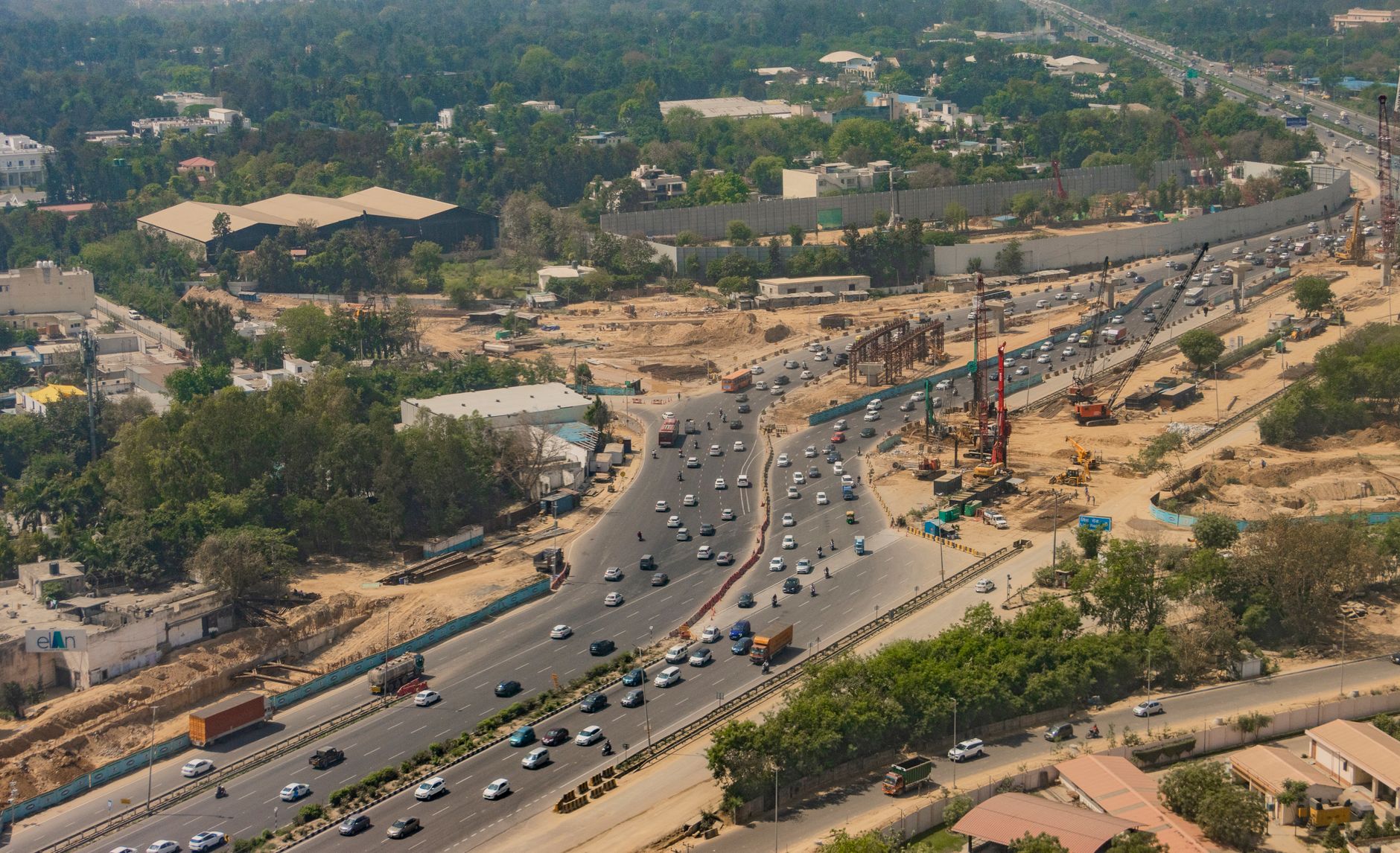

Delhi-Saharanpur highway project: Is it the Best Investment?
The Delhi-Saharanpur highway project has achieved a significant milestone with its completion certificate. This ₹1,659.84 crore project promises to enhance connectivity and boost economic growth in the region.
Overview of the Delhi-Saharanpur Highway Project
The Delhi-Saharanpur highway project has recently garnered attention with the completion certificate awarded to Ceigall India for ₹1,659.84 crore. This ambitious infrastructure initiative aims to enhance connectivity between the bustling capital of Delhi and the vibrant city of Saharanpur. By significantly reducing travel time, the project is expected to bolster economic activities and foster regional development.
Key features of the project include:
- Improved Travel Efficiency: The highway is designed to facilitate smoother traffic flow, reducing congestion on existing routes.
- Economic Growth: Enhanced connectivity is anticipated to attract investment and promote business opportunities in the surrounding regions.
- Safety Enhancements: Modern safety features and well-planned infrastructure aim to reduce accidents and improve overall road safety.
- Environmental Considerations: Efforts are being made to minimize the environmental impact during the construction and operational phases.
As the Delhi-Saharanpur highway project nears completion, stakeholders are optimistic about its potential benefits. The initiative not only promises to streamline transportation but also aims to uplift the socio-economic fabric of the area. With its strategic importance, many are questioning if this infrastructure development is indeed the best investment for the future of the region.
Importance of Completion Certificates in Infrastructure
The completion certificate plays a crucial role in the successful execution of infrastructure projects such as the Delhi-Saharanpur highway project. It serves as an official document that signifies the fulfillment of all contractual obligations and compliance with regulatory standards.
Obtaining a completion certificate is essential for several reasons:
- Validation of Quality: It assures stakeholders that the construction adheres to the required specifications and safety standards.
- Financial Assurance: This document is often needed to release funds or secure loans, making it vital for project financing.
- Legal Protection: A completion certificate protects the interests of both the contractor and the client, providing a legal basis for any future claims or disputes.
- Public Confidence: For large-scale projects like the Delhi-Saharanpur highway, having a completion certificate can bolster public trust and confidence in the infrastructure being developed.
Additionally, the timely acquisition of a completion certificate can expedite subsequent phases of the project, paving the way for improved connectivity and economic benefits for the region. As seen with Ceigall India receiving the completion certificate for this ₹1,659.84 crore project, it marks a significant milestone that can influence future investment and development opportunities.
Economic Impact of the Delhi-Saharanpur Highway
The completion of the Delhi-Saharanpur highway project is anticipated to have significant economic implications for both regions. This ambitious infrastructure initiative aims to enhance connectivity, reduce travel time, and facilitate trade between Delhi and Saharanpur, which is expected to drive economic growth.
One of the primary benefits of the highway is its potential to boost local economies. Businesses along the route are likely to experience increased foot traffic, leading to higher sales and a rise in employment opportunities. The enhanced accessibility can attract new investments, thereby stimulating further development in both urban and rural areas.
Moreover, the project is expected to decrease transportation costs for goods. This reduction can ultimately result in lower prices for consumers, making essential items more affordable. As logistics become more efficient, it could also enable manufacturers to expand their markets, benefiting the overall economy.
In addition to economic growth, the improved infrastructure may lead to enhanced tourism prospects. With easier access to Saharanpur’s attractions, more travelers may visit, contributing to the hospitality and service sectors.
In summary, the Delhi-Saharanpur highway project presents a promising investment opportunity that could yield substantial economic returns, making it a vital component of regional development strategies.
Key Features of the Project
The Delhi-Saharanpur highway project boasts several key features that highlight its significance in enhancing regional connectivity and economic growth. Below are the notable aspects of the project:
- Improved Travel Time: The highway is designed to significantly reduce travel time between Delhi and Saharanpur, making it more accessible for commuters and goods transport.
- Enhanced Safety Measures: The project incorporates modern safety features, including well-designed road signage, better lighting, and dedicated lanes for heavy vehicles to minimize accidents.
- Environmental Considerations: Efforts have been made to minimize the environmental impact, including the planting of trees along the highway and the use of eco-friendly materials in construction.
- Economic Opportunities: The highway is expected to stimulate local economies by improving access to markets, encouraging businesses, and creating job opportunities in construction and related sectors.
- Infrastructure Development: The project includes additional infrastructure improvements, such as better drainage systems and service roads to support adjacent communities.
Overall, the Delhi-Saharanpur highway project emerges as a pivotal investment, not only facilitating transportation but also fostering economic development and enhancing the quality of life for residents in the region.
Future Prospects for Highway Infrastructure in India
The future of highway infrastructure in India looks promising, particularly with projects like the Delhi-Saharanpur highway project paving the way for enhanced connectivity and economic growth. As the government prioritizes the development of road networks, the focus is shifting towards efficient transport systems that can support the burgeoning population and industry demands.
With increasing investments in highway construction, several factors could influence the trajectory of infrastructure development:
- Technological Advancements: Innovations in construction technology and materials can lead to faster project completion and improved road quality.
- Public-Private Partnerships: Collaborations between government bodies and private enterprises can bolster funding and expertise, ensuring timely execution of projects.
- Environmental Considerations: Sustainable practices in highway construction will become essential as India aims to balance development with ecological preservation.
- Policy Support: Government initiatives and incentives can play a crucial role in attracting investments and accelerating project timelines.
As seen with the successful completion of the Delhi-Saharanpur highway project, similar ventures could serve as benchmarks for future developments. By addressing the growing demand for efficient transportation, these projects not only enhance connectivity but also stimulate local economies, making highway infrastructure a key area for investment in India’s future.
Challenges Faced During Construction
The construction of the Delhi-Saharanpur highway project has encountered several significant challenges that have impacted its timeline and budget. These obstacles range from environmental concerns to land acquisition issues, which have delayed progress and increased costs.
One of the primary challenges has been:
- Land Acquisition Delays: Securing the necessary land for the highway has proven to be a lengthy process, with disputes arising over compensation and ownership. This has resulted in prolonged negotiations and legal battles, hindering the project’s momentum.
- Environmental Regulations: Strict environmental regulations have necessitated comprehensive assessments, causing unforeseen delays. Compliance with these regulations is crucial to minimize ecological impacts but can slow down construction significantly.
- Weather Conditions: Adverse weather conditions, particularly during the monsoon season, have further complicated construction efforts. Heavy rains have led to flooding and soil erosion, which have delayed work schedules and necessitated additional safety measures.
- Supply Chain Disruptions: Global supply chain disruptions, exacerbated by the pandemic, have affected the timely delivery of construction materials. This has led to increased costs and further delays in the project timeline.
Despite these challenges, stakeholders remain optimistic that the Delhi-Saharanpur highway project will eventually be completed, paving the way for enhanced connectivity and economic growth in the region.
Community Benefits from Improved Connectivity
The completion of the Delhi-Saharanpur highway project is set to bring significant benefits to local communities through improved connectivity. Enhanced transportation infrastructure can lead to a range of positive outcomes that directly impact the quality of life for residents in the surrounding areas.
One of the primary advantages is the reduction in travel time between Delhi and Saharanpur, which will facilitate easier access to essential services and employment opportunities. This improved connectivity is expected to:
- Boost local economies: As transportation becomes more efficient, local businesses will benefit from increased customer footfall and access to larger markets.
- Enhance educational opportunities: Students will find it easier to commute to educational institutions, thereby broadening their prospects and encouraging higher enrollment.
- Improve healthcare access: With quicker travel times, residents will have better access to healthcare facilities, which can be crucial in emergencies.
- Encourage tourism: The enhanced highway will attract tourists to nearby regions, providing a boost to local tourism industries.
Furthermore, the project is expected to create job opportunities during both the construction phase and afterward, contributing to overall economic growth in the region. As the Delhi-Saharanpur highway project becomes operational, its impact on community connectivity will be closely monitored, with expectations of transformative changes for local residents.
Photo by Shantum Singh on Pexels
Sources
You might also like
Apple TV 4K India: The Best Smart Home Device Yet · Is the Smart Home Display the Best New Tech for Your Home? · TVS Radeon Launch: The Best Smart Choice for Riders