Pumped Storage Projects: The Best Proven Solutions for India

Pumped Storage Projects are becoming a focal point for energy innovation in India. The NTPC-EDF joint venture aims to lead this next wave of development, enhancing energy storage capabilities.

Overview of Pumped Storage Projects

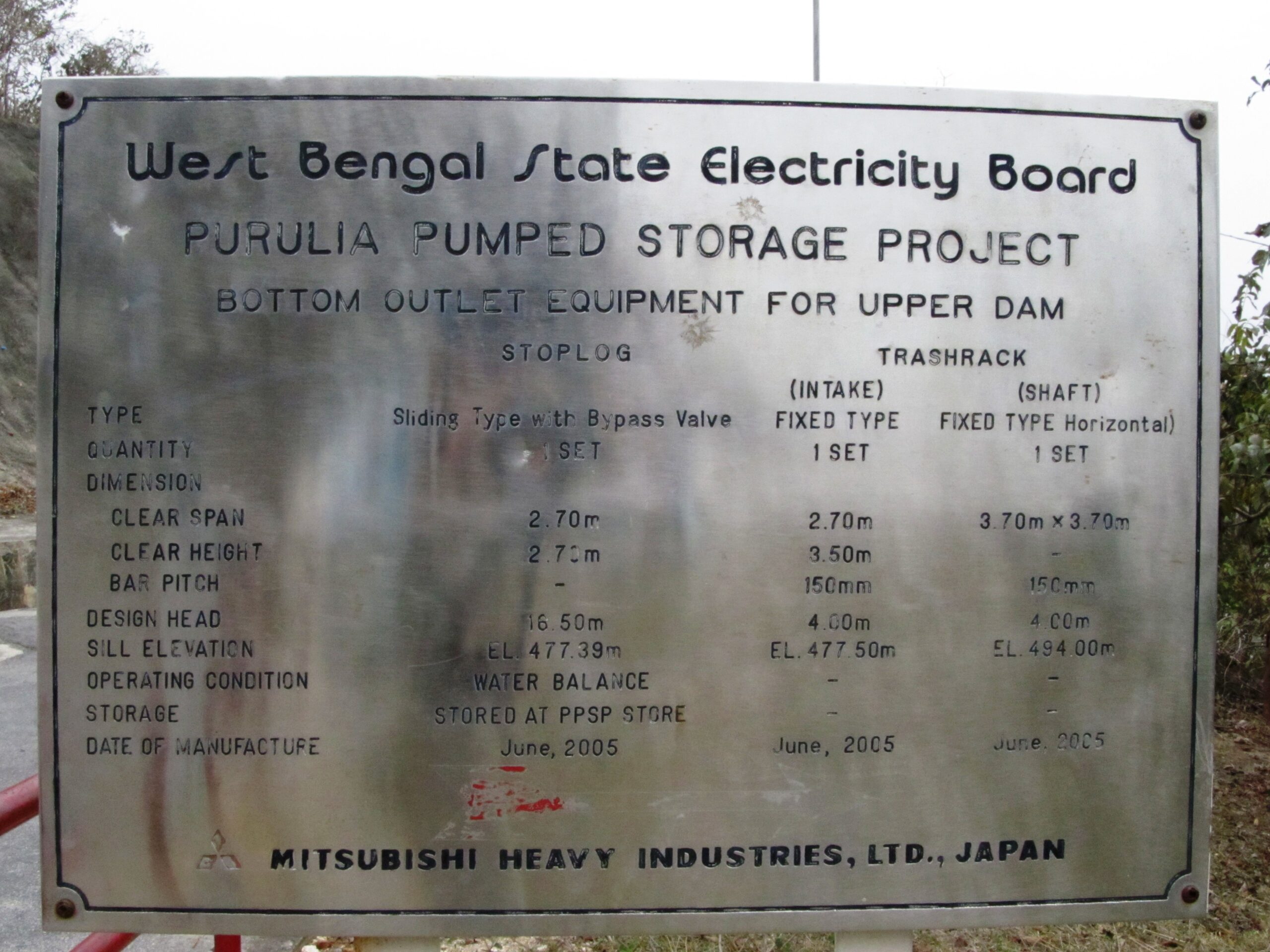
Pumped storage projects are essential components of energy management systems, particularly in regions like India, where renewable energy sources are rapidly expanding. These projects serve as a form of energy storage, allowing for the efficient balancing of supply and demand. By using excess energy to pump water to a higher elevation, this energy can be released later to generate electricity when demand peaks.

Recently, the NTPC-EDF joint venture has set its sights on developing the next wave of pumped storage projects in India. This initiative aims to enhance the reliability and stability of the power grid, especially with the increasing integration of solar and wind energy sources.

Some key benefits of pumped storage projects include:

  • Energy Efficiency: They provide a way to store energy for later use, making the energy supply more reliable.
  • Grid Stability: These projects help to mitigate fluctuations in power supply, ensuring that energy demands are met consistently.
  • Environmental Impact: They support a greater reliance on renewable energy, reducing dependence on fossil fuels.

Overall, pumped storage projects represent a promising solution for India’s energy future.

Benefits of Pumped Storage in India

Pumped storage projects offer significant advantages for India as it seeks to enhance its energy security and support renewable energy integration. These projects act as a reliable mechanism for balancing supply and demand, particularly with the increasing reliance on intermittent sources like solar and wind energy.

One of the primary benefits of pumped storage is its ability to store excess energy generated during peak production times. This stored energy can then be released during periods of high demand, ensuring a stable and continuous power supply. In a country like India, where energy needs are rapidly growing, this capability is essential.

Additionally, pumped storage projects contribute to grid stability by providing ancillary services such as frequency regulation. This feature helps maintain the overall health of the electrical grid, minimizing the risk of blackouts.

Moreover, these projects can create numerous jobs during both construction and operation phases, further boosting local economies. As India continues to explore innovative solutions for its energy challenges, pumped storage projects emerge as one of the best proven solutions to achieve a sustainable and resilient energy future.

Challenges Facing Pumped Storage Projects

Pumped storage projects in India face several challenges that could hinder their development and implementation. These challenges include:

  • Regulatory Hurdles: The approval process for pumped storage projects often involves multiple governmental and environmental clearances, which can lead to significant delays.
  • High Initial Investment: The capital required to construct pumped storage facilities is substantial, making it difficult for investors to commit without guaranteed returns.
  • Environmental Concerns: The construction of reservoirs for pumped storage can disrupt local ecosystems and displace communities, raising opposition from environmental activists and local populations.
  • Geographical Limitations: Suitable sites for pumped storage projects are limited, as they require specific topographical conditions to be effective.
  • Technological Challenges: While the technology for pumped storage is established, integrating these systems with existing power grids poses technical difficulties.

Despite these challenges, the potential for pumped storage projects to enhance energy security and storage capacity in India remains promising, particularly as the country seeks to balance its renewable energy ambitions with reliable power supply.

The Future of Energy Storage Solutions

The future of energy storage solutions in India is increasingly leaning towards pumped storage projects, which have proven to be a reliable method for balancing energy supply and demand. As the country aims to meet its growing energy needs while transitioning towards renewable sources, these projects offer a viable path forward.

With advancements in technology and increased investment from both public and private sectors, the potential for expanded pumped storage capacity is significant. Key players, such as the NTPC-EDF joint venture, are focusing on developing innovative solutions that can enhance efficiency and reduce costs. This collaborative approach is expected to pave the way for new projects that can harness India’s vast hydro resources.

Moreover, as the government sets ambitious targets for renewable energy, integrating pumped storage projects into the energy mix will be crucial. This integration will not only provide a buffer against the intermittency of renewable sources but also support grid stability.

In summary, the future of energy storage in India looks promising, with pumped storage projects at the forefront of this transformation, ensuring a sustainable and resilient energy landscape.

By Ayan Mukherjee via Openverse

Read the original

urbanacres.in

Related stories

Mini Data Center Launch: The Best Space Tech Move Yet · India Mobile Congress: The Best Platform for Global Tech Brands · Lemon Tree Hotels: Smart Move with New Nashik Location

500 kV transmission line: Best Proven Investment for Vietnam

The 500 kV transmission line has been approved as a key project to enhance Vietnam’s energy infrastructure. This development marks a significant step for EVNNPT and the country’s energy sector.

Overview of the 500 kV transmission line project

The 500 kV transmission line project is a significant development aimed at enhancing Vietnam’s electricity infrastructure. This ambitious initiative has been approved by Vietnam’s EVNNPT as the investor for the 500 kV Thai Nguyen–Yen Bai transmission line, which is expected to play a crucial role in meeting the growing energy demands of the region.

Key features of the project include:

  • Increased Capacity: The 500 kV transmission line is designed to improve the capacity for electricity distribution, ensuring a reliable supply to both urban and rural areas.
  • Enhanced Stability: This project aims to bolster the stability of the national grid, reducing the risk of outages and enhancing energy security.
  • Economic Growth: By providing a robust electricity network, the transmission line will facilitate industrial growth and attract investment into the region.
  • Environmental Considerations: The project will incorporate sustainable practices to minimize its ecological impact while promoting renewable energy sources.

In summary, the 500 kV transmission line project represents a transformative step towards modernizing Vietnam’s energy infrastructure, ensuring that it meets the demands of the future while contributing to economic development.

Significance of EVNNPT’s investment

The decision by EVNNPT to invest in the 500 kV transmission line project represents a critical step towards enhancing Vietnam’s energy infrastructure. This investment is expected to significantly improve the reliability and efficiency of electricity distribution across the northern regions of the country.

One of the primary significances of this investment includes:

  • Increased Energy Capacity: The 500 kV transmission line will allow for a greater capacity to transport electricity, meeting the growing demand for energy in urban and industrial areas.
  • Enhanced Grid Stability: By connecting various regions, it will strengthen the national grid, making it more resilient to outages and fluctuations.
  • Environmental Benefits: With a more efficient transmission system, the reliance on fossil fuels can be reduced, contributing to Vietnam’s commitment to sustainable energy and lower carbon emissions.
  • Economic Growth: Improved electricity access is likely to attract more investments and boost economic growth by supporting various sectors, including manufacturing and technology.

In conclusion, the 500 kV transmission line project not only aligns with Vietnam’s energy goals but also serves as a proven investment to support long-term economic development.

Impact on Vietnam’s energy infrastructure

The introduction of the 500 kV transmission line is poised to have a transformative impact on Vietnam’s energy infrastructure. This high-voltage network will enhance the reliability and efficiency of electricity distribution across the nation, addressing the growing demand for energy in both urban and rural areas.

Key benefits of this project include:

  • Improved Connectivity: The new transmission line will connect major power generation sources to consumption centers, facilitating a more balanced load distribution.
  • Increased Capacity: With a capacity to transmit larger volumes of electricity, the 500 kV transmission line will help mitigate the risk of blackouts and power shortages.
  • Reduction in Losses: High-voltage transmission reduces energy losses over long distances, making the overall system more efficient and cost-effective.
  • Support for Renewable Energy: This infrastructure will enable better integration of renewable energy sources, fostering a greener energy mix.

As Vietnam continues to modernize its energy sector, the 500 kV transmission line stands out as a key investment that will bolster the country’s economic growth and sustainability efforts.

Future developments in energy transmission

The future of energy transmission in Vietnam is poised for significant advancements, particularly with the ongoing developments related to the 500 kV transmission line. As the country continues to expand its energy infrastructure, the focus will be on integrating more renewable energy sources, improving efficiency, and meeting the growing demand for electricity.

Key initiatives are expected to include:

  • Expansion of the Transmission Network: The 500 kV transmission line will play a pivotal role in connecting remote renewable energy projects to major consumption centers, ensuring a more reliable and sustainable energy supply.
  • Technological Innovations: The integration of advanced technologies such as smart grid solutions will enhance the monitoring and management of electricity flow, making the system more resilient and responsive.
  • Increased Investment: As EVNNPT leads the charge, additional investments from both domestic and foreign entities are anticipated, boosting the overall energy sector in Vietnam.

With these developments, the 500 kV transmission line is not just an infrastructure project but a catalyst for Vietnam’s energy revolution, paving the way for a sustainable future.

Challenges and opportunities for EVNNPT

The implementation of the 500 kV transmission line project presents both challenges and opportunities for EVNNPT. As the primary investor, the company must navigate various hurdles while also capitalizing on the potential benefits that such a significant infrastructure project offers.

One of the main challenges is the coordination with various stakeholders, including local governments, communities, and environmental groups. Ensuring transparency and fostering collaboration will be crucial in addressing concerns related to land use and environmental impact.

Furthermore, the technical complexities involved in constructing a high-voltage transmission line require advanced engineering solutions and skilled labor. EVNNPT may face difficulties in sourcing the necessary technology and expertise, which could impact project timelines.

On the other hand, the opportunities are substantial. The 500 kV transmission line is expected to enhance energy security and reliability across the region, potentially attracting further investment and boosting local economies. Additionally, successful implementation may position EVNNPT as a leader in energy transmission innovation, paving the way for future projects.

  • Stakeholder engagement: Building relationships with local communities.
  • Technological advancement: Leveraging innovation for efficient construction.
  • Economic growth: Stimulating local economies through infrastructure development.

Photo by Alexey Demidov on Pexels

References

Related stories

White House helipad: Proven benefits of the new facility

The White House helipad is now operational, providing a new facility for swift departures. This addition enhances accessibility and efficiency for the President and other officials.

Overview of the new White House helipad

The recent inauguration of the White House helipad marks a significant upgrade to the South Lawn facilities, enhancing the operational capabilities of the presidential transportation system. This new helipad is designed to accommodate the increasing demands of modern governance and ensures swift and efficient travel for the President.

Key features of the White House helipad include:

  • Improved Accessibility: The helipad provides direct access to Marine One, reducing travel time for the President during critical situations.
  • Enhanced Safety: State-of-the-art technology and safety measures have been implemented to ensure secure landings and takeoffs.
  • Environmental Considerations: The design incorporates eco-friendly materials and landscaping, aligning with contemporary sustainability efforts.

Moreover, this facility is expected to play a crucial role in emergency responses, allowing for rapid evacuation if necessary. The new helipad not only symbolizes progress in the logistics of presidential travel but also reflects a commitment to modernizing infrastructure to meet the needs of the highest office in the nation.

Why the helipad is important for officials

The new White House helipad is a crucial addition for government officials, offering numerous advantages that enhance operational efficiency and security. This facility allows for rapid transportation, enabling officials to travel quickly to important meetings or emergencies without the delays associated with ground transportation.

One of the primary reasons for the importance of the helipad is its ability to facilitate timely responses during critical situations. In instances where every second counts, the White House helipad serves as a strategic asset, ensuring that key personnel can reach their destinations swiftly. The facility also supports increased security, as air travel reduces exposure to potential threats on the road.

Moreover, the helipad enhances the overall logistical capabilities of the White House, allowing for smoother transitions between events and meetings. This improvement not only benefits top officials but also contributes to the effectiveness of the entire administration. With the White House helipad in operation, officials can maintain a higher level of readiness, adapting to the fast-paced demands of governance while ensuring safety and security at all times.

In summary, the White House helipad represents a vital resource for officials, combining efficiency, security, and improved operational functionality.

Impact on transportation efficiency

The recent inauguration of the White House helipad has significantly improved transportation efficiency for government officials. By providing a dedicated landing space for Marine One, the new facility reduces travel time during critical missions and events.

Several key benefits have been observed since the helipad’s opening:

  • Time Savings: The helipad allows for quicker departures and arrivals, minimizing delays associated with ground transportation.
  • Enhanced Security: By centralizing air travel, the helipad streamlines security protocols, ensuring a safer environment for officials.
  • Increased Accessibility: The facility enables faster access to other locations, facilitating urgent responses to national and international events.
  • Improved Coordination: With a dedicated space for helicopter operations, communication and planning for transport logistics have become more efficient.

Overall, the White House helipad stands as a testament to the commitment to enhancing operational efficiency within the federal government. Such improvements not only benefit officials but also bolster public trust in timely governmental responses.

Future plans for White House infrastructure

The future plans for White House infrastructure include several key enhancements aimed at improving functionality and security. The recent inauguration of the new White House helipad has set the stage for additional developments that prioritize efficient transportation for officials and dignitaries.

Among the proposed upgrades are:

  • Expanded Security Features: Enhanced surveillance systems and barriers to ensure the safety of all helicopter landings and takeoffs.
  • Improved Access Routes: Development of clearer access paths from the helipad to the main building, minimizing delays during critical moments.
  • Environmental Considerations: Implementation of sustainable practices in the maintenance of the helipad and surrounding areas to align with broader governmental green initiatives.

These advancements not only emphasize the importance of the White House helipad in modern governance but also reflect a commitment to adapting infrastructure for future needs. As technology and protocols evolve, the White House aims to maintain its position as a leader in effective emergency and operational response strategies.

Overall, the continued investment in this iconic facility signifies a proactive approach to national security and operational excellence.

Photo by Mikhail Nilov on Pexels

Sources

You might also like

Solar Power Project: Proven Benefits for Aster Medcity

The solar power project at Aster Medcity is a significant step towards sustainable energy in Kerala. This 10 MW initiative aims to enhance the quality of care while promoting eco-friendly practices.

Overview of the Solar Power Project

Aster DM Quality Care has recently commissioned a 10 MW solar power project for Aster Medcity in Kerala, marking a significant step towards sustainable energy practices in the healthcare sector. This initiative highlights Aster Medcity’s commitment to reducing its carbon footprint while providing quality healthcare services.

The solar power project aims to harness the abundant sunlight in the region, enabling the facility to generate clean energy that will power its operations. This transition to renewable energy is expected to offer a variety of benefits, including:

  • Cost savings on electricity bills, allowing funds to be redirected towards patient care and other essential services.
  • Reduction in greenhouse gas emissions, contributing to a healthier environment and supporting the global fight against climate change.
  • Increased energy independence, ensuring reliable power supply for medical services at all times.

Overall, the solar power project is poised to enhance the operational efficiency of Aster Medcity while setting a benchmark for sustainable practices in healthcare.

Benefits of Solar Energy for Healthcare

The integration of solar energy into healthcare facilities offers numerous advantages, particularly for institutions like Aster Medcity, which has recently commissioned a 10 MW solar power project. This initiative not only enhances operational efficiency but also promotes sustainability.

Some key benefits include:

  • Cost Savings: By utilizing solar power, Aster Medcity can significantly reduce its electricity bills, allowing funds to be redirected towards patient care and facility improvements.
  • Environmental Impact: Solar energy is a clean, renewable resource that minimizes the carbon footprint, aligning with global efforts to combat climate change.
  • Energy Independence: The solar power project provides a reliable energy source, reducing dependence on traditional power grids and enhancing resilience during outages.
  • Enhanced Patient Care: With a stable power supply, medical equipment operates efficiently, ensuring that patients receive uninterrupted care.

Overall, the solar power project at Aster Medcity exemplifies the positive impact of renewable energy in the healthcare sector.

Impact on Aster Medcity’s Operations

The recent commissioning of a solar power project at Aster Medcity is set to significantly enhance the operational efficiency of the healthcare facility. By integrating renewable energy into its operations, Aster Medcity aims to minimize its reliance on conventional power sources, ultimately reducing operational costs.

One of the primary impacts of this initiative is the ability to maintain uninterrupted power supply, which is critical for medical facilities. The 10 MW solar power project will ensure that essential services remain functional even during grid outages, thus improving patient safety and care.

Furthermore, the project aligns with Aster Medcity’s commitment to sustainability. By utilizing clean energy, the hospital contributes to lowering carbon emissions, reinforcing its role as a leader in environmentally responsible healthcare. This initiative not only supports the facility’s operational goals but also enhances its reputation as a forward-thinking institution dedicated to the well-being of both patients and the planet.

In conclusion, the solar power project marks a transformative step for Aster Medcity, ensuring reliability and sustainability in its operations.

Sustainability Goals of Aster DM Quality Care

Aster DM Quality Care is committed to achieving its sustainability goals through innovative energy solutions. The recent commissioning of a solar power project at Aster Medcity in Kerala marks a significant milestone in this journey. By harnessing solar energy, Aster DM is not only reducing its carbon footprint but also promoting environmental stewardship within the healthcare sector.

The integration of renewable energy into Aster Medcity’s operations aligns with global efforts to combat climate change and encourages other healthcare institutions to follow suit. The solar power project is expected to generate 10 MW of clean energy, which will substantially lower greenhouse gas emissions and contribute to energy savings.

Moreover, this initiative supports Aster DM Quality Care’s broader mission to enhance patient care while being mindful of ecological impacts. The commitment to sustainability is reflected in various practices, including:

  • Utilization of energy-efficient technologies
  • Implementation of waste reduction strategies
  • Promotion of green building standards

These efforts demonstrate Aster DM’s dedication to a healthier future for both patients and the planet.

Future of Renewable Energy in Kerala

The future of renewable energy in Kerala looks promising, particularly with the successful implementation of the solar power project at Aster Medcity. As the state pushes for greener alternatives, the integration of solar energy into healthcare facilities sets a positive precedent.

Kerala has been steadily increasing its focus on sustainability, and this project exemplifies the commitment to harnessing natural resources effectively. The shift towards solar power not only reduces greenhouse gas emissions but also promotes energy independence, which is essential for the region’s long-term energy strategy.

Moreover, this initiative aligns with the state’s vision of achieving a significant share of energy from renewable sources. By investing in solar infrastructure, Aster Medcity positions itself as a leader in the healthcare sector, showcasing how hospitals can contribute to environmental conservation.

As the demand for clean energy continues to grow, the success of the solar power project will likely inspire other institutions across Kerala to adopt similar sustainable practices, benefiting both the environment and community health.

Community Response to the Initiative

The launch of the solar power project at Aster Medcity has garnered a positive response from the local community. Residents have expressed enthusiasm about the initiative, recognizing its potential to enhance environmental sustainability and reduce energy costs.

Community members have highlighted several key benefits they associate with the solar power project:

  • Job Creation: The construction and maintenance of the solar facility are expected to create numerous job opportunities for local workers.
  • Environmental Impact: Many are pleased that the project promotes clean energy, contributing to a reduction in carbon emissions and fostering a healthier environment.
  • Public Awareness: The initiative has sparked conversations about renewable energy, encouraging more residents to consider solar solutions for their own homes.
  • Healthcare Access: With lower operational costs, Aster Medcity can allocate more resources towards improving patient care and expanding services.

Overall, the community is optimistic that this solar power project will serve as a model for future renewable energy initiatives in the region.

Photo by Hoan Ngọc on Pexels

References

Related stories

India Infrastructure Projects: The Best and Worst Updates

India infrastructure projects are at a pivotal point in 2026, showcasing a mix of openings, ongoing constructions, and delays that impact the economy.

Current Status of Infrastructure Projects

The current status of infrastructure projects in India reveals a mixed landscape of progress and delays. With the government’s push towards rapid development, several initiatives have shown promise, while others are facing significant setbacks.

Among the key projects making headway are:

  • Delhi-Mumbai Expressway: This ambitious project is nearing completion, expected to significantly cut travel time between the two major cities.
  • Mumbai Coastal Road: The project is well underway, enhancing connectivity and urban mobility along the coastline.

However, not all endeavors are progressing smoothly. Challenges such as land acquisition, funding issues, and environmental concerns have led to delays in various projects, including:

  • Chardham Highway Project: This crucial undertaking has faced hurdles, impacting its timeline for completion.
  • Regional Rapid Transit System: Delays in the implementation of this project have raised concerns regarding urban transportation improvements.

As India continues to invest in infrastructure projects, stakeholders remain hopeful that ongoing efforts will yield positive results in the coming years.

Major Projects Open in 2026

As India gears up for significant advancements in its infrastructure, several key projects are expected to open their doors in 2026. These initiatives are part of the broader push to enhance connectivity and support economic growth across the nation.

  • Mumbai Coastal Road Project: This ambitious project aims to ease traffic congestion and provide a scenic coastal drive. Slated for completion in 2026, it promises to transform urban mobility in Mumbai.
  • Delhi-Meerut Expressway: Designed to reduce travel time between the national capital and Meerut, this expressway is set to play a crucial role in regional development and is expected to be fully operational by 2026.
  • Chennai Peripheral Ring Road: This road will enhance connectivity to various industrial hubs around Chennai, facilitating smoother transportation and logistics for businesses.

These projects are indicative of the government’s commitment to enhancing India’s infrastructure landscape. However, challenges remain, including land acquisition and environmental concerns, which could impact timelines. Overall, the outlook for India infrastructure projects in 2026 remains optimistic, with a focus on sustainable and efficient development.

Key Projects Under Construction

India is currently witnessing a surge in infrastructure development, with several key projects under construction that aim to enhance connectivity and boost economic growth. These India infrastructure projects are crucial for the country’s ambition to facilitate trade and improve the quality of life for its citizens.

Among the most notable projects are:

  • Mumbai Trans Harbour Link: This ambitious bridge project is set to connect Mumbai with Navi Mumbai, significantly reducing travel time and easing congestion.
  • Delhi-Meerut Expressway: Aimed at providing faster access between the two cities, this expressway will feature state-of-the-art facilities and is expected to be completed by next year.
  • Chennai Peripheral Ring Road: Designed to decongest urban traffic, this ring road will connect various highways and improve connectivity to Chennai.

While these projects promise significant benefits, challenges such as delays and budget overruns remain. Stakeholders are closely monitoring progress to ensure that these India infrastructure projects achieve their intended goals on schedule.

Delays in Infrastructure Development

Delays in infrastructure development have become a significant concern for many ongoing India infrastructure projects. Recent reports indicate that over 30% of the major projects are behind schedule, impacting not only the economy but also the daily lives of citizens who rely on improved infrastructure.

Among the key factors contributing to these delays are:

  • Land acquisition issues: Many projects face hurdles in acquiring the necessary land, resulting in prolonged negotiations and legal disputes.
  • Funding constraints: Insufficient financial backing has led to project slowdowns, with some initiatives struggling to secure the required investments.
  • Regulatory hurdles: Complex approval processes often stall progress, causing frustration among stakeholders.
  • Environmental concerns: Increased scrutiny over ecological impacts has led to project re-evaluations and further delays.

As the government continues to prioritize infrastructure development, addressing these challenges will be crucial to ensure timely completion of projects and overall economic growth.

Government Initiatives for Improvement

The Indian government has been actively pursuing various initiatives aimed at improving the nation’s infrastructure projects. With a focus on enhancing connectivity and fostering economic growth, these initiatives are designed to tackle the existing challenges faced by the sector.

Some key government initiatives include:

  • National Infrastructure Pipeline: Launched to provide a roadmap for infrastructure development across various sectors, this pipeline aims to invest over ₹100 lakh crore by 2025.
  • PM Gati Shakti: This program is focused on creating a digital platform for better coordination and execution of infrastructure projects, ensuring timely completion.
  • Atmanirbhar Bharat Abhiyan: Aimed at promoting self-reliance, this initiative includes significant investment in infrastructure, particularly in rural and semi-urban areas.

Moreover, the government has also emphasized public-private partnerships (PPPs) to accelerate the pace of development. By leveraging private investment and expertise, these collaborations can enhance the efficiency of various infrastructure projects throughout India.

Future Outlook for Indian Infrastructure

The future outlook for Indian infrastructure projects appears promising, with several factors contributing to the potential for growth and development. As the government continues to invest heavily in various sectors, the emphasis on enhancing transportation, energy, and urban infrastructure remains a top priority.

One of the critical areas of focus is the expansion of transportation networks, including highways, railways, and airports. These developments are expected to boost economic activity and improve connectivity across the nation. Additionally, the push towards sustainable energy projects will likely transform India’s energy landscape, aligning with global environmental goals.

However, challenges such as land acquisition issues and bureaucratic hurdles could pose risks to timelines. The government is making strides to streamline processes, but successful implementation will be crucial for the timely completion of these projects.

In summary, while the future outlook for Indian infrastructure projects holds significant promise, careful planning and execution will be vital to ensure that the ambitious goals set forth are met, ultimately improving the quality of life for millions of citizens.

Recent assessments reveal that while some India infrastructure projects have made significant progress, others have faced delays and budget overruns. The contrasting outcomes of these India infrastructure projects highlight the need for better planning and execution strategies.

Photo by Anil Sharma on Pexels

References

PSU Connect

Related stories

Is Lava Virat Curve India the Best Smartphone with 6000mAh Battery? · Oil Prices Rise: Best Strategies for Real Estate Investors · Metro 13 project: Quick and Smart Transformation for Mumbai

Metro 13 project: Quick and Smart Transformation for Mumbai

The Metro 13 project is poised to transform Mumbai’s northern suburbs by cutting travel time from 40 minutes to just 10. This ambitious initiative promises to enhance connectivity and ease commuting for residents.

Overview of the Metro 13 Project

The Metro 13 project is poised to revolutionize public transportation in Mumbai, significantly reducing travel times across the northern suburbs. With the ambitious goal of transforming a 40-minute commute into just 10 minutes, this project aims to enhance connectivity and ease congestion in one of India’s busiest cities.

Designed to accommodate the growing population and increasing traffic, the Metro 13 route will connect key areas, making commuting more efficient. The project promises to:

  • Facilitate seamless transfers at major junctions and existing metro lines.
  • Incorporate modern technology to ensure safety and reliability.
  • Support the city’s sustainability goals by reducing vehicular emissions.

As Mumbai continues to evolve, the Metro 13 project stands as a testament to the city’s commitment to improving urban mobility and enhancing the quality of life for its residents.

Impact on Mumbai’s Northern Suburbs

The Metro 13 project is poised to significantly transform the landscape of Mumbai’s northern suburbs, impacting daily commutes and local economies. Currently, residents often face lengthy travel times, with journeys taking up to 40 minutes. However, the introduction of the metro line is expected to reduce this time to just 10 minutes, enhancing connectivity and accessibility.

This transformation is not just about speed; it also promises to alleviate traffic congestion, which has long been a headache for commuters. With the convenience of the metro, more people may opt for public transport over private vehicles, leading to a decrease in road traffic and pollution levels.

Furthermore, the Metro 13 project is likely to spur economic growth in the area. Local businesses are expected to thrive as increased foot traffic brings more customers, while property values may rise due to improved accessibility. Overall, the project is set to redefine the suburban experience in Mumbai.

Travel Time Reduction Benefits

The Metro 13 project is poised to significantly reduce travel times for commuters in Mumbai’s northern suburbs. With an expected travel time cut from 40 minutes to just 10 minutes, this transformation is set to enhance the daily lives of thousands of residents.

The benefits of reduced travel time include:

  • Increased Productivity: Commuters will have more time for work, family, and leisure activities.
  • Environmental Impact: Shorter travel times can lead to reduced vehicle emissions as more people opt for public transport.
  • Economic Growth: Improved connectivity can attract businesses and boost local economies in the northern suburbs.
  • Enhanced Quality of Life: Less time spent commuting means more time for personal pursuits, contributing to overall well-being.

As the Metro 13 project progresses, these travel time reductions will become a reality, reinforcing the need for efficient urban transport solutions in Mumbai.

Funding and Investment in Infrastructure

The successful implementation of the Metro 13 project is heavily reliant on significant funding and investment in infrastructure. To bring this ambitious plan to fruition, various financing options are being explored, ensuring that the project aligns with the needs of Mumbai’s growing population.

The funding sources include:

  • Government Allocations: The state and central governments are allocating funds to support the infrastructure projects.
  • Public-Private Partnerships: Collaborations with private investors are being encouraged to enhance financial viability.
  • International Loans: Institutions such as the Asian Development Bank are likely to provide loans for construction and development.

With the incorporation of modern technology and sustainable practices, the Metro 13 project is set to redefine transportation in Mumbai. This investment not only promises to improve travel efficiency but also enhances the overall urban landscape, paving the way for sustainable growth in the region.

Community Response to Metro 13

The community response to the Metro 13 project has been overwhelmingly positive, as residents anticipate significant improvements in their daily commutes. Many locals express excitement about the reduction in travel times, which are projected to decrease from 40 minutes to just 10 minutes for key routes.

Furthermore, some residents have highlighted the potential for increased economic opportunities in their neighborhoods. This has led to a number of local businesses preparing for an influx of customers, boosting confidence in the project’s benefits.

However, while the majority support the initiative, there are concerns about potential disruptions during construction. Community leaders are urging the authorities to keep residents informed and involved in the process.

Overall, the enthusiasm surrounding the Metro 13 project reflects a collective hope for a more connected and accessible Mumbai, transforming the northern suburbs into a thriving hub of activity.

Future of Urban Transport in Mumbai

The Metro 13 project is poised to revolutionize urban transport in Mumbai, offering a glimpse into a more efficient and connected future. With its state-of-the-art technology and strategic planning, the project aims to alleviate congestion and improve accessibility across the city.

Key features of the Metro 13 project include:

  • Increased Connectivity: Linking various neighborhoods, the metro will enhance travel options for residents and commuters.
  • Environmental Benefits: By promoting public transport, the project aims to reduce traffic emissions and improve air quality.
  • Economic Growth: Improved transport infrastructure is expected to attract investments and boost local businesses.
  • Safety and Efficiency: Modern metro systems provide a reliable mode of transport, minimizing delays and enhancing passenger safety.

As the Metro 13 project progresses, it is clear that the future of urban transport in Mumbai will be more sustainable, efficient, and accessible for all residents.

Photo by Anil Sharma on Pexels

Sources

The Indian Express · Metroproject quattro

Related reading

Honor Thy Mother conference: A Smart Celebration of Moms · Cyprus rental yields: What are the best investment options? · Is QR-Based payment service the Best Way to Pay Today?

DFC Project progress: Worst Slowdown Exposed by Modi’s Critique

DFC Project progress has become a contentious issue as Modi castigates the previous Manmohan Singh government for its slow advancements. This criticism sheds light on the urgent need for improvement in infrastructure projects.

Background on the DFC Project

The Dedicated Freight Corridor (DFC) Project is a significant infrastructure initiative aimed at enhancing freight transportation efficiency across India. The project, which was launched to decongest existing rail networks and improve logistics, has faced various challenges since its inception.

Critics have pointed out that the progress on the DFC Project has been slower than anticipated, attributing this to a series of bureaucratic hurdles and funding issues. In recent statements, Prime Minister Modi has particularly highlighted the lack of timely action during the previous Manmohan Singh administration.

Key points regarding the DFC Project include:

  • Objective: To create a dedicated rail corridor for freight traffic.
  • Benefits: Expected to reduce transit times and lower logistical costs.
  • Current Status: Progress has been notably behind schedule, raising concerns among stakeholders.

The ongoing discussion around the DFC Project progress underscores the importance of efficient governance and timely implementation of infrastructure projects in India.

Modi’s Critique Explained

In a recent speech, Prime Minister Narendra Modi addressed the sluggish progress of the Dedicated Freight Corridor (DFC) Project, criticizing the previous government’s handling of the initiative. Modi emphasized that the delays experienced during the tenure of former Prime Minister Manmohan Singh have significantly hampered the project’s potential benefits.

According to Modi, the DFC Project, which is intended to revolutionize freight transport in India, has faced unnecessary obstacles due to inadequate planning and execution by the previous administration. He stated that the project was a priority, yet it suffered from a lack of urgency and focus.

Modi highlighted several key points regarding the DFC Project’s progress:

  • Infrastructural Delays: Many segments of the corridor remain incomplete.
  • Financial Mismanagement: Funds allocated for the project were not utilized effectively.
  • Policy Inconsistencies: Frequent changes in policy led to confusion and stagnation.

This critique aims to shed light on the need for renewed commitment to accelerating the DFC Project’s progress.

Impact of Slow Progress

The impact of the slow progress on the DFC Project has raised concerns among various stakeholders, particularly in light of Prime Minister Modi’s recent critique. The delay in the project’s advancement has not only affected the logistics sector but has also had broader implications for economic growth.

Key issues arising from the slow progress include:

  • Increased Costs: Delays have led to rising expenses, affecting the overall budget allocated for the project.
  • Investment Hesitation: Potential investors are wary of committing funds to a project that lacks timely execution.
  • Job Creation Delay: The promised job opportunities tied to the DFC Project are being postponed, impacting local economies.
  • Logistical Challenges: Inefficiencies in transportation and supply chain management have become more pronounced due to the stagnation.

As discussions around the DFC Project progress continue, stakeholders are urging for a renewed focus on overcoming these delays to realize the project’s full potential.

Comparative Analysis with Other Projects

The progress of the DFC Project has come under significant scrutiny, especially when compared to similar infrastructure initiatives. While the DFC aims to revolutionize freight transport in India, other projects have showcased more efficient execution and timelines.

For instance, the Delhi-Mumbai Expressway was completed ahead of schedule, demonstrating effective management and resource allocation. In contrast, the DFC Project has faced continual delays, raising questions about project oversight and funding mechanisms.

Additionally, the Mumbai Metro project, despite its hurdles, has progressed steadily, highlighting a contrast in governmental approach between these initiatives. Key factors contributing to the disparity include:

  • Timely funding and clear accountability
  • Efficient stakeholder engagement
  • Proactive project management practices

The comparative analysis underscores the urgent need for enhanced governance to ensure that the DFC Project meets its intended milestones and delivers on its promises.

Future Prospects for DFC

The future prospects for the DFC Project remain a topic of intense discussion, particularly in light of recent critiques from Prime Minister Modi. As the government seeks to revitalize this critical infrastructure initiative, several key factors will influence its trajectory.

First, the allocation of resources will be paramount. With increased funding and strategic partnerships, the DFC could see accelerated progress. Secondly, addressing bureaucratic hurdles will be essential to streamline operations and enhance efficiency.

Moreover, technological advancements play a crucial role in improving project timelines. Implementing innovative solutions could mitigate delays and enhance the overall effectiveness of the DFC Project.

Lastly, public and private sector collaboration will be vital. Engaging stakeholders from various sectors can lead to shared insights and improved outcomes. As discussions around the DFC Project progress, the government aims to turn criticism into a catalyst for growth and development.

Ultimately, the DFC Project’s future hinges on the ability to adapt and respond to the challenges highlighted by Modi’s critique.

The recent critique by Modi has brought to light significant challenges affecting DFC Project progress. Stakeholders are now questioning how these setbacks will impact the overall timeline for DFC Project progress.

Photo by Collab Media on Pexels

Sources

Related stories

Gauhati University infrastructure projects: Proven benefits for growth

Gauhati University infrastructure projects are now underway, following the foundation laying by V-P Radhakrishnan. This significant investment of Rs 110 crore aims to improve campus facilities and support academic growth.

Overview of the Infrastructure Projects

In a significant development for educational growth, Gauhati University has initiated a series of infrastructure projects aimed at enhancing the campus environment. The Vice-President of India, V-P Radhakrishnan, recently laid the foundation for these ambitious projects, which are estimated to cost around Rs 110 crore.

These initiatives are designed to support the university’s expanding needs and will include:

  • Modern classrooms: Equipped with advanced technology to facilitate better learning experiences.
  • Research facilities: State-of-the-art laboratories to promote innovative research among students and faculty.
  • Recreational spaces: Areas for sports and relaxation to promote a balanced lifestyle.
  • Library expansion: Enhanced facilities for students to access resources and study materials.

These infrastructure projects at Gauhati University are expected to foster an environment conducive to academic excellence and growth, benefiting both current and future generations of students.

Investment Details and Allocation

The recent foundation laying ceremony for infrastructure projects at Gauhati University marks a significant investment in the institution’s future. The Vice-Chancellor, Radhakrishnan, announced an allocation of Rs 110 crore specifically dedicated to enhancing campus facilities. This substantial funding aims to address various needs within the university, promoting better academic and extracurricular environments for students.

Among the key areas of investment are:

  • Modern classrooms: Equipped with advanced technology to facilitate interactive learning.
  • Laboratories: Upgrades to existing labs to support research and practical training.
  • Sports facilities: Development of new sports complexes to encourage physical fitness.
  • Hostel accommodations: Expansion and renovation of student housing to improve living conditions.

These infrastructure projects at Gauhati University are expected to foster an environment conducive to growth, attracting more students and enhancing the overall educational experience.

Impact on Student Life

The recent infrastructure projects at Gauhati University are poised to significantly enhance student life on campus. With an investment of Rs 110 crore, these developments aim to create a more conducive learning environment.

Students can expect improvements in various areas, including:

  • Modern Classrooms: Equipped with the latest technology, these spaces will foster interactive learning experiences.
  • Recreational Facilities: New sports and recreational amenities will promote physical well-being and a balanced lifestyle.
  • Library Expansion: An upgraded library will provide access to a vast range of academic resources, supporting research and study.
  • Hostel Upgrades: Enhanced living conditions will ensure a comfortable stay for students from diverse backgrounds.

As these infrastructure projects at Gauhati University take shape, the overall student experience is expected to improve, promoting both academic success and personal development.

Future Plans for Gauhati University

As Gauhati University continues to enhance its infrastructure, future plans are set to expand the campus facilities further. The administration is prioritizing the development of eco-friendly structures that incorporate sustainable practices and modern technology.

Among the proposed projects are:

  • A state-of-the-art library: Aiming to provide students with access to extensive resources and study spaces.
  • New research laboratories: Designed to support cutting-edge research in various disciplines.
  • Sports facilities: To promote physical wellness and extracurricular activities among students.
  • Hostel expansions: To accommodate the growing student population and ensure comfortable living conditions.

These initiatives reflect the university’s commitment to fostering an enriching educational environment. The ongoing and future infrastructure projects at Gauhati University are expected to significantly contribute to academic excellence and holistic development for both current and prospective students.

Government Support for Educational Infrastructure

The recent initiatives by the government to bolster educational infrastructure have significantly impacted institutions like Gauhati University. With a commitment to enhancing facilities, the government has allocated substantial funds for various infrastructure projects aimed at fostering academic growth and improving student experiences.

Support from government bodies has been instrumental in the development of Gauhati University infrastructure projects, enabling the construction of modern classrooms, libraries, and laboratories. This investment reflects a broader strategy to ensure that educational institutions meet the evolving demands of higher education.

Moreover, the engagement of local authorities and educational organizations has facilitated the smooth execution of these projects. Key benefits include:

  • Enhanced learning environments for students
  • Increased accessibility to educational resources
  • Opportunities for community engagement and development

As these infrastructure projects take shape, they promise to create a lasting impact on the academic landscape of Gauhati University.

The Gauhati University infrastructure projects have significantly enhanced the learning environment for students. As a result, these Gauhati University infrastructure projects are proving to be a catalyst for academic and regional growth.

Photo by Dhanjee Rider on Pexels

References

Related reading

Ceigall India share price: Is it the best investment now?

Ceigall India share price has jumped nearly 3% after the company received a Letter of Intent for a significant Rs 5,300 crore project. This development raises questions about the future value of the stock.

Overview of Ceigall India

Ceigall India has recently made headlines as its share price jumped nearly 3% following the announcement of a Letter of Intent (LOI) for a significant project worth Rs 5,300 crore. This development has sparked interest among investors and analysts, prompting discussions about the potential of Ceigall India as a lucrative investment opportunity.

The company, which specializes in construction and infrastructure development, has been actively pursuing large-scale projects to enhance its portfolio. The receipt of the LOI is a clear indication of Ceigall India’s growing reputation in the industry and its ability to secure substantial contracts.

Investors are now weighing the implications of this news on the company’s future performance. Some analysts believe that the recent surge in the Ceigall India share price reflects a positive market sentiment and confidence in the company’s operational capabilities. Others caution that while the news is promising, potential investors should consider market trends and the overall economic environment before making a decision.

As the situation evolves, it remains to be seen whether Ceigall India will maintain its upward momentum in the share market.

Recent Stock Performance

The recent stock performance of Ceigall India has garnered significant attention from investors and analysts alike. Following the announcement of receiving a letter of intent (LOI) for a substantial project worth Rs 5,300 crore, the Ceigall India share price experienced a notable surge. This development has sparked optimism about the company’s future prospects.

On the day of the announcement, the stock jumped nearly 3%, reflecting investor confidence in the company’s ability to secure and execute large-scale projects. This increase is a part of a broader trend where the stock has shown resilience despite fluctuating market conditions.

Analysts are closely monitoring Ceigall India’s financial health and project pipeline as they assess whether the current share price presents a viable investment opportunity. Key factors to watch include:

  • Potential revenue growth from new contracts
  • Overall market sentiment towards infrastructure projects
  • Competitors’ performance and market share

With these elements in play, the Ceigall India share price may be poised for further movements in the coming weeks.

Impact of LOI on Share Price

The recent issuance of a Letter of Intent (LOI) has significantly impacted the Ceigall India share price, prompting a nearly 3% increase in its value. This development comes as the company gears up for a substantial project worth Rs 5,300 crore, which is expected to enhance its market position.

Investors and market analysts are closely monitoring the implications of this LOI, as it could signal a turning point for the company. Notably, the LOI not only affirms the project’s viability but also instills confidence in potential investors regarding Ceigall India’s future growth prospects.

Market reactions indicate an overall positive sentiment surrounding the share price. The increase has sparked discussions among investors about whether Ceigall India represents a lucrative investment opportunity at this juncture. Factors contributing to this optimism include:

  • Increased revenue potential from the new project
  • Strengthened investor confidence
  • Market stability and growth forecasts

As the situation unfolds, stakeholders will be eager to see how the project progresses and its long-term effects on the Ceigall India share price.

Details of the Rs 5,300 Crore Project

The recent announcement regarding the Rs 5,300 crore project has generated significant interest among investors, particularly in relation to the Ceigall India share price. This major initiative is expected to bolster the company’s market position and enhance its revenue stream.

Key details of the project include:

  • Scope of Work: The project encompasses various infrastructure developments, aiming to improve efficiency and service delivery.
  • Timeline: The completion target is set for the next three years, with phases designed to ensure steady progress.
  • Funding: The financial backing will be a combination of internal resources and external investments, ensuring minimal risk.
  • Job Creation: It is projected to create thousands of new job opportunities within the region.

Experts are optimistic about how this project could positively influence the Ceigall India share price, as it signals robust growth potential. Investors are keenly watching the developments, hoping for a favorable impact on their portfolios.

Market Reactions to the News

Following the announcement of receiving the Letter of Intent (LOI) for the ambitious Rs 5,300 crore project, the Ceigall India share price experienced a notable surge, jumping nearly 3% on the stock market. This positive reaction from investors reflects growing confidence in the company’s prospects and potential for future growth.

Market analysts suggest that the increase in share price is indicative of a favorable sentiment surrounding Ceigall India, especially as the company positions itself to capitalize on new opportunities. Investors are keenly aware of the implications of this project, which could lead to substantial revenue streams upon successful execution.

However, it’s essential to consider the volatility associated with stock movements. While the current uptick in the Ceigall India share price is promising, experts advise caution. They recommend that potential investors closely monitor the company’s performance and market conditions before making investment decisions.

As the situation evolves, keeping an eye on market trends will be crucial for understanding whether Ceigall India is indeed the best investment now.

Future Outlook for Investors

The future outlook for investors considering Ceigall India share price appears cautiously optimistic, given the recent developments surrounding the company’s significant project. With the receipt of the Letter of Intent (LOI) for the Rs 5,300 crore project, analysts are closely monitoring how this will impact the company’s long-term growth trajectory.

Investors should be aware of several key factors that may influence Ceigall India share price moving forward:

  • Project Execution: Successful implementation of the project is crucial. Delays or cost overruns could negatively affect investor sentiment.
  • Market Conditions: Broader market trends and economic indicators will play a significant role in shaping the stock’s performance.
  • Company Fundamentals: Ongoing assessments of Ceigall India’s financial health and operational efficiency will be vital.
  • Regulatory Environment: Changes in government policies or regulations may also impact the company’s prospects.

Overall, while there is potential for growth, investors should conduct thorough research before committing to Ceigall India share price investments.

Comparative Analysis with Peers

In evaluating the Ceigall India share price, it is essential to perform a comparative analysis with its peers in the construction and infrastructure sector. Several key factors can be observed:

  • Market Position: Ceigall India has carved a niche for itself, showing resilience in a competitive landscape. Compared to its peers, it has demonstrated consistent growth in market capitalization.
  • Financial Performance: Recent financial reports indicate that Ceigall India’s earnings growth outpaces that of its closest competitors, suggesting a robust business model and effective management strategies.
  • Project Pipeline: The recent Letter of Intent (LOI) for a massive Rs 5,300 Crore project places Ceigall India in a favorable position, potentially enhancing its revenue streams in the coming quarters.
  • Valuation Metrics: Analysts have noted that the current valuation of Ceigall India appears attractive when compared to its peers, creating an opportunity for investors looking for value.

Overall, the comparative analysis indicates that Ceigall India may represent a compelling investment option in the current market environment.

Expert Opinions on Infrastructure Stocks

Experts in the financial sector have been closely monitoring the performance of Ceigall India, especially following its recent LOI announcement. Many analysts believe that the Ceigall India share price is poised for further growth, given the company’s strategic positioning in the infrastructure sector.

According to Rajesh Kumar, a senior investment analyst, “The potential of the Rs 5,300 crore project is significant, and it could lead to increased revenue streams for Ceigall India. Investors should consider this a pivotal moment for the company’s future.”

On the other hand, market strategist Anita Verma cautions, “While the immediate reaction has been positive, it is essential to assess the broader economic indicators and competition. Infrastructure stocks can be volatile, and investors should tread carefully.”

Additionally, a survey of investment portfolios shows a growing interest in infrastructure stocks, with Ceigall India being a focal point for many. “This could be the right time to invest,” noted financial advisor Mohit Sharma. “However, potential investors should do their due diligence before making any commitments.”

Photo by Rafael Minguet Delgado on Pexels

Sources

Related stories

Indian Railways Projects: Safe and Proven Infrastructure Boost

Indian Railways projects aim to strengthen safety and freight capacity across the network. With an investment of over INR 800 crore, these initiatives promise to enhance infrastructure.

Overview of Indian Railways Projects

The Indian Railways has recently approved a series of significant projects aimed at enhancing safety and freight capacity across its network. With an investment exceeding INR 800 crore, these initiatives are set to modernize infrastructure and improve overall operational efficiency.

Among the key objectives of these Indian Railways projects are:

  • Upgrading signaling systems: Implementing advanced technology to ensure safer train operations.
  • Enhancing track infrastructure: Strengthening tracks to accommodate higher speeds and heavier loads.
  • Building new freight terminals: Expanding capacity to handle increasing cargo traffic effectively.
  • Improving passenger amenities: Renovating stations to provide better facilities for travelers.

These developments are part of a broader strategy by the Indian Railways to not only boost freight capacity but also to provide a safer and more reliable travel experience. As the demand for rail transport continues to grow, these projects represent a crucial step towards sustaining the future of India’s railway infrastructure.

Importance of Safety in Indian Railways Projects

Ensuring safety is paramount in the execution of Indian Railways projects, as the organization strives to maintain and enhance the reliability of its vast network. The recent clearance of over INR 800 crore projects underscores this commitment, aiming to fortify infrastructure and improve freight capacity while prioritizing passenger safety.

Key safety measures include:

  • Upgraded Signaling Systems: Implementation of modern signaling technology to prevent accidents and improve operational efficiency.
  • Track Rehabilitation: Regular maintenance and upgrading of tracks to prevent derailments and ensure smooth train operations.
  • Advanced Surveillance: Use of CCTV and drones to monitor railway assets and enhance security at stations.
  • Emergency Response Plans: Establishing quick response protocols to address any incidents effectively.

With these initiatives, Indian Railways projects aim not only to expand capacity but also to instill confidence in the safety of train travel. As the backbone of the nation’s transport infrastructure, prioritizing safety will ensure that Indian Railways continues to serve millions effectively and reliably.

Freight Capacity Enhancement through Indian Railways Projects

Indian Railways is taking significant strides in enhancing its freight capacity through a series of well-planned projects. Recent approvals for over INR 800 crore in investments aim to strengthen the infrastructure and improve the efficiency of cargo transportation across the nation.

The primary objective of these initiatives is to bolster the existing freight network, allowing for a more robust and reliable supply chain. By upgrading railway lines and enhancing loading and unloading facilities, Indian Railways projects are set to facilitate smoother operations for freight trains. This is expected to not only reduce transit times but also minimize the overall cost of logistics.

Key aspects of the freight capacity enhancement include:

  • Modernization of freight terminals: Upgrading facilities to handle a larger volume of goods.
  • Expansion of railway lines: Increasing the overall network capacity to accommodate more freight trains.
  • Implementation of advanced technology: Utilizing digital solutions for better monitoring and management of freight operations.

Through these focused efforts, Indian Railways projects are poised to significantly enhance the freight capacity, supporting the nation’s economic growth and development.

Investment Breakdown for Indian Railways Projects

The Indian Railways has recently allocated significant funding to enhance its infrastructure and safety measures, amounting to over INR 800 crore. This investment is a part of a larger strategy to modernize Indian Railways projects and improve operational efficiency.

The breakdown of this investment is as follows:

  • Safety Infrastructure: Approximately INR 350 crore has been earmarked for upgrading signaling systems and enhancing track safety features.
  • Freight Capacity Expansion: INR 250 crore will be used to develop new freight terminals and increase the capacity of existing ones to accommodate growing demand.
  • Passenger Amenities: Around INR 200 crore is designated for improving passenger facilities at various stations, ensuring a better travel experience.

These investments in Indian Railways projects not only aim to bolster safety but also focus on easing the logistical challenges faced by freight transport. By prioritizing infrastructure upgrades, Indian Railways is paving the way for more reliable and efficient services, which is essential for economic growth.

Future of Indian Railways Projects

The future of Indian Railways projects looks promising as the government continues to prioritize safety and infrastructure development. With a substantial allocation of over INR 800 crore for various initiatives, the aim is to enhance both safety measures and freight capacity across the network.

As part of these projects, several key areas are set to receive upgrades:

  • Technological Advancements: Implementation of modern signaling systems and automated monitoring to improve operational efficiency.
  • Infrastructure Development: Construction of new tracks and renovation of existing stations to accommodate increasing passenger and freight demands.
  • Safety Enhancements: Installation of surveillance systems and upgraded emergency response protocols to ensure passenger safety.

These initiatives not only aim to boost the overall capacity of the railway system but also to ensure a safer travel experience for millions of commuters. As the Indian Railways projects progress, stakeholders remain optimistic about the long-term benefits these enhancements will bring to the economy and the environment.

Community Impact of Indian Railways Projects

The recent initiatives taken by Indian Railways projects aim not only to enhance safety and freight capacity but also to create a positive community impact. These projects are designed with the welfare of local populations in mind, ensuring that the benefits extend beyond just rail infrastructure.

Through various developmental programs, Indian Railways is fostering economic growth in surrounding regions. Some of the key community impacts include:

  • Job Creation: New projects generate employment opportunities for local residents, both during construction and in ongoing operations.
  • Improved Connectivity: Enhanced rail infrastructure facilitates better access to markets, education, and healthcare services for nearby communities.
  • Environmental Considerations: Many projects include eco-friendly initiatives, reducing pollution and promoting sustainable practices.
  • Community Engagement: Indian Railways is involving local stakeholders in the planning and execution stages, ensuring that projects meet the specific needs of the communities affected.

These efforts signify a commitment to not only improving transportation but also uplifting the communities that rely on these vital services. The focus on Indian Railways projects reflects a comprehensive approach to development that prioritizes safety and community well-being.

Photo by Shantum Singh on Pexels

Sources

Related reading