Are Asia data center projects the worst for investors?

Asia data center projects are currently experiencing delays in IPOs and government halts that are impacting their progress. This situation raises questions about the future of these critical infrastructure developments.

Current State of Asia Data Center Projects

Asia data center projects are currently experiencing significant challenges that threaten their viability and attractiveness to investors. Many projects across the region are facing unexpected delays, particularly in their initial public offerings (IPOs). These setbacks have raised concerns over the financial stability and future growth potential of these ventures.

Furthermore, government regulations and approvals are complicating the landscape for data center developments. In several countries, local authorities have imposed temporary halts on new constructions, citing environmental concerns and infrastructure capacity as critical issues. This has resulted in a backlog of projects that are struggling to move forward.

Industry experts highlight that while the demand for data centers continues to grow, the current state of Asia data center projects presents a mixed bag for investors. Key issues include:

  • Delays in project timelines
  • Increased regulatory scrutiny
  • Uncertainty in market conditions

As a result, potential investors are urged to exercise caution and thoroughly assess the risks involved before committing to these ventures.

Impact of Government Regulations

The landscape of Asia data center projects is significantly influenced by government regulations, which can either facilitate growth or impose substantial hurdles for investors. Recent reports indicate that a series of regulatory changes across various countries have led to unexpected delays and even halts in project development.

In many cases, these regulations are aimed at environmental protection and energy efficiency, reflecting a growing concern over sustainability. While such measures are essential for long-term viability, they can create immediate challenges for investors looking to capitalize on the booming demand for data centers in the region.

Furthermore, regulatory uncertainty has contributed to a cautious investment climate. Investors are now facing the following challenges:

  • Delayed approvals: Projects are often held up as regulatory bodies reassess compliance with new standards.
  • Increased costs: Adapting to new regulations can lead to higher operational expenses.
  • Market volatility: Frequent policy shifts may deter potential investors from committing to new projects.

As the situation evolves, stakeholders must navigate these regulatory complexities to secure successful outcomes in the Asia data center market.

Investment Opportunities in Data Centers

As the demand for digital infrastructure continues to surge, investment opportunities in data centers in Asia have become increasingly attractive. However, potential investors need to navigate a complex landscape shaped by regulatory challenges and market volatility.

Despite the setbacks faced by Asia data center projects, several factors contribute to their investment appeal:

  • Growing Demand: With the rise of cloud computing and digital services, the need for robust data center facilities is expanding rapidly.
  • Strategic Locations: Many Asian countries are positioned as hubs for technology and innovation, attracting significant foreign investments.
  • Government Incentives: In some regions, governments are offering incentives to encourage the establishment of data centers, which can mitigate initial investment risks.

Investors must remain vigilant and conduct thorough due diligence to identify opportunities that align with their risk tolerance and long-term growth strategies. While challenges exist, the potential for substantial returns in Asia data center projects cannot be overlooked.

Challenges Facing Data Center Developments

The rapid growth of Asia data center projects has not come without its challenges. Investors are increasingly concerned about the myriad of obstacles that can delay or even halt developments. One significant challenge is the stringent government regulations that vary by country, often requiring extensive compliance measures that can extend project timelines and inflate budgets.

Additionally, many developers face difficulties securing necessary permits, leading to potential project stalls. These delays can be particularly detrimental for investors who expect timely returns on their investments. Furthermore, the rising costs of construction materials and labor in Asia can erode profit margins, making it harder for projects to remain viable.

Moreover, as the demand for data centers grows, the competition for suitable land intensifies. This can lead to bidding wars, pushing prices beyond reasonable limits. Investors must remain vigilant, as these factors compound the risks associated with Asia data center projects, potentially turning what was once seen as a lucrative opportunity into a daunting challenge.

Future Outlook for Asia’s Tech Infrastructure

As investors assess the viability of Asia data center projects, the future outlook remains cautiously optimistic yet fraught with challenges. With the rapid growth of digital services in the region, demand for robust tech infrastructure is anticipated to rise significantly. However, several factors may influence the pace and success of these developments.

Firstly, evolving government regulations can lead to unexpected delays in project approvals and IPOs, creating uncertainty for investors. Additionally, the competition among tech giants for prime locations can drive up costs, further complicating investment decisions.

Despite these hurdles, experts suggest that strategic investments in sustainable and energy-efficient data centers may yield long-term benefits. Innovations in cooling technologies and renewable energy sources could enhance operational efficiency, positioning investors favorably in a market that increasingly values sustainability.

Moreover, partnerships with local governments and enterprises may provide additional support, mitigating some challenges. Ultimately, while risks persist, the potential for growth in Asia data center projects remains significant as digital transformation continues to accelerate across the region.

Photo by panumas nikhomkhai on Pexels

Read the original

ET Datacenters

Related reading

TCL 2 ton inverter AC: Best Deal with Proven Savings · Danny Hanna and the Pursuit of Excellence in Australian Development · Home Prices Double: 10 Proven Cities to Watch by 2030

Is the NH 66 expansion project worth the wait?

The NH 66 expansion project is currently facing delays, but the Union Transport Minister has assured that solutions are on the way. This development comes as the Kerala CM seeks timely completion of the infrastructure project.

Overview of the NH 66 expansion project

The NH 66 expansion project is a significant infrastructure initiative aimed at enhancing connectivity along the western coast of India. This project is part of a broader effort to improve road networks and facilitate smoother transportation for both goods and passengers.

The expansion will cover various stretches of the highway, making it a vital artery for trade and tourism in the region. According to recent statements from the Union Transport Minister, efforts are underway to resolve existing delays that have hindered progress on the NH 66 expansion project. The Chief Minister of Kerala expressed optimism about these developments, highlighting the importance of timely completion for local economies.

Key features of the NH 66 expansion project include:

  • Wider Roadways: Increasing the number of lanes to accommodate growing traffic.
  • Improved Safety: Implementing modern safety measures to reduce accidents.
  • Enhanced Connectivity: Linking remote areas to major urban centers more effectively.
  • Reduced Travel Time: Streamlining routes to facilitate quicker journeys.

As the project moves forward, stakeholders remain hopeful that the delays will soon be resolved, making the NH 66 expansion project a reality for the benefit of all.

Current status of delays

The NH 66 expansion project has faced significant delays, raising concerns among local residents and commuters. As of now, the project is behind schedule, with various factors contributing to the holdup. These factors include:

  • Land Acquisition Issues: Complications in acquiring necessary land parcels have slowed progress.
  • Environmental Clearances: Delays in obtaining required environmental clearances have hindered construction timelines.
  • Funding Constraints: Financial challenges have also affected the timely allocation of resources for the project.

Recently, the Union Transport Minister assured that efforts are being made to resolve these delays. The Chief Minister of Kerala emphasized the importance of the NH 66 expansion project, citing its potential to boost regional connectivity and economic growth. Despite the setbacks, the government remains committed to overcoming the obstacles that have plagued this crucial initiative.

The ongoing delays have left many wondering if the wait for the NH 66 expansion project will ultimately be worth it. Stakeholders are hopeful that with renewed focus and commitment from authorities, the project can resume momentum and deliver the promised benefits to the community.

Government’s commitment to resolve issues

The NH 66 expansion project has faced several delays, prompting concerns among local communities and stakeholders. In a recent statement, the Union Transport Minister assured that the government is committed to resolving these issues swiftly. This commitment comes as a relief to many who have been eagerly awaiting the completion of the project.

According to the Chief Minister of Kerala, several key factors are being addressed to facilitate progress. These include:

  • Land acquisition: Streamlining the process to ensure timely compensation and relocation for affected families.
  • Environmental clearances: Prioritizing the necessary approvals to minimize bureaucratic delays.
  • Funding allocation: Ensuring that adequate financial resources are available to support ongoing work.

Furthermore, the government is actively engaging with local communities to gather feedback and address their concerns regarding the NH 66 expansion project. The Minister emphasized that this approach will not only help expedite the process but also foster greater trust between the authorities and the public.

As the government reaffirms its commitment, many are hopeful that the NH 66 expansion project will soon be back on track, enhancing connectivity and boosting the local economy.

Impact on local communities

The NH 66 expansion project is poised to create significant benefits for local communities along its route. By enhancing connectivity, the project aims to improve access to essential services and economic opportunities.

Residents have expressed a mix of hope and concern regarding the ongoing delays. Some of the anticipated impacts include:

  • Improved Transportation: The expansion is expected to facilitate smoother travel and reduce congestion, making it easier for locals to commute to work and access education.
  • Economic Growth: Better road infrastructure is likely to attract new businesses and investment, which can lead to job creation and increased local revenue.
  • Enhanced Safety: Upgraded roads are designed to minimize accidents, offering a safer environment for both drivers and pedestrians.
  • Environmental Considerations: While the expansion may bring development, there are concerns about its environmental impact, necessitating careful planning to mitigate any negative effects.

As the government reaffirms its commitment to resolving issues related to the NH 66 expansion project, community members remain hopeful that the long-awaited improvements will soon come to fruition.

Photo by Keane Peng on Pexels

Read the original

Related stories

Great Nicobar project: Court’s Wrong Decision on PILs

The Great Nicobar project has encountered significant legal challenges as the court has dismissed the Centre’s plea regarding the maintainability of PILs. This decision raises concerns about the project’s future and its impact on the region.

Overview of the Great Nicobar project

The Great Nicobar project has emerged as a significant focal point of discussion in recent legal and environmental debates. This ambitious initiative, proposed by the Indian government, aims to develop the Great Nicobar Island into a major economic zone, which is expected to include a deep-sea port, an international airport, and various infrastructure developments.

Critics argue that the project poses substantial risks to the island’s unique biodiversity and the indigenous communities that inhabit the region. The Supreme Court’s recent decision to reject the Centre’s plea against the maintainability of public interest litigations (PILs) in the High Court has been perceived as a pivotal moment in the ongoing struggle over the project’s future.

Several key points have emerged in discussions surrounding the Great Nicobar project:

  • Environmental Concerns: The island is home to several endangered species and unique ecosystems.
  • Indigenous Rights: Local tribes have expressed fears of displacement and loss of livelihood.
  • Economic Benefits: Proponents argue that the project could boost the local economy and create jobs.

As the legal battles continue, the future of the Great Nicobar project remains uncertain, with stakeholders from various sectors weighing in on its implications.

Legal implications of the court’s decision

The recent decision by the Supreme Court regarding the Great Nicobar project has raised critical legal implications that could influence future environmental and developmental projects in India. The court dismissed the Centre’s plea against the maintainability of Public Interest Litigations (PILs) concerning the project, a ruling seen as a reinforcement of judicial oversight over governmental actions.

This judicial stance indicates that citizens and organizations have the right to challenge projects that may harm the environment or disrupt local communities. The implications of this decision are multi-faceted:

  • Enhanced Judicial Review: The court’s ruling may lead to increased scrutiny of large-scale projects, ensuring that environmental concerns are adequately addressed.
  • Precedent for Future Cases: This decision could set a precedent for similar cases, empowering citizens to hold the government accountable for its environmental policies.
  • Potential Delays: Projects like the Great Nicobar project may face delays as legal challenges continue, affecting economic growth and development timelines.

Overall, the court’s decision reflects a growing emphasis on the balance between development and environmental protection, highlighting the importance of community voices in the decision-making process.

Government’s response to the ruling

The government’s response to the recent ruling regarding the Great Nicobar project has been one of disappointment and concern. Officials have expressed their belief that the decision to allow public interest litigations (PILs) against the project undermines the development goals set forth for the region. They argue that the project is crucial for enhancing economic growth, facilitating tourism, and providing much-needed infrastructure to the area.

In a statement, a government spokesperson emphasized the importance of striking a balance between environmental conservation and development, asserting that the Great Nicobar project has undergone extensive environmental assessments. The spokesperson also highlighted that the project aims to create jobs and improve local livelihoods, which they believe are essential for the community’s long-term prosperity.

Furthermore, the government plans to review the court’s ruling and may consider appealing the decision to higher authorities. Officials are keen on ensuring that the project proceeds without unnecessary delays, citing the pressing need for development in the Andaman and Nicobar Islands.

  • Economic development: Aimed at boosting local economy.
  • Job creation: Expected to generate numerous employment opportunities.
  • Infrastructure improvement: Enhancing connectivity and facilities for residents.

Public reaction to the Great Nicobar project

The recent ruling regarding the Great Nicobar project has sparked significant public outcry across various sectors of society. Many environmental activists, local residents, and concerned citizens have voiced their opinions on the implications of the court’s decision.

Social media has become a platform for widespread debate, with users sharing their thoughts through posts and comments. A common sentiment is the belief that the project poses a severe threat to the delicate ecosystem of the Nicobar Islands. Activists argue that the ruling undermines environmental protections and prioritizes development over sustainability.

In addition to environmental concerns, local communities fear the potential displacement caused by the Great Nicobar project. Many residents have expressed anxiety about losing their homes and livelihoods, leading to protests and public demonstrations. They emphasize the importance of including local voices in the decision-making process.

Furthermore, some politicians have rallied behind the protesters, calling for a reevaluation of the project’s impact on both the environment and the local populace. As the situation unfolds, the divide between development proponents and environmental defenders continues to grow, illustrating the complexities surrounding the Great Nicobar project and its far-reaching consequences.

Future outlook for infrastructure development

The recent court ruling on the Great Nicobar project has raised significant questions regarding the future of infrastructure development in the region. With the Supreme Court’s decision to dismiss the Centre’s plea, stakeholders are now reconsidering their strategies and expectations.

While the ruling may have created temporary setbacks, experts suggest that it could also pave the way for a more robust dialogue between the government and the public. This engagement might lead to improved planning and execution of infrastructure projects, taking into account environmental concerns and local communities.

The potential for sustainable development remains high, as the Great Nicobar project aims to enhance connectivity and boost economic growth. However, the government will need to address the concerns raised in the public reactions to ensure that the project aligns with ecological preservation and social equity.

In light of the court’s decision, several key areas warrant attention:

  • Balancing Development and Conservation: Finding a middle ground that satisfies both infrastructure needs and environmental protections.
  • Community Involvement: Ensuring local voices are heard in the planning process.
  • Long-term Sustainability: Implementing practices that foster ongoing ecological health.

Ultimately, the future of the Great Nicobar project could redefine infrastructure development in the region if approached with care and consideration.

References

You might also like

India Green Energy Corridor: The Best Proven Path to Renewables

India Green Energy Corridor is set to revolutionize the renewable energy landscape in the country. With its Phase III initiative, this project aims to enhance energy transmission and support the growth of green energy sources.

Overview of India’s Green Energy Corridor

The India Green Energy Corridor is a transformative initiative aimed at enhancing the country’s renewable energy capabilities. With the growing demand for clean energy, this corridor is designed to facilitate the efficient transmission of power generated from renewable sources across India.

Phase III of the project represents a significant leap forward in India’s commitment to sustainable energy. This phase focuses on several key components:

  • Infrastructure Development: Construction of new transmission lines to connect renewable energy sources with the national grid.
  • Capacity Enhancement: Upgrading existing infrastructure to accommodate the increasing volume of renewable energy generation.
  • Integration of Renewables: Streamlining the integration of solar, wind, and other renewable sources into the power supply system.

The India Green Energy Corridor is expected to play a crucial role in meeting the country’s ambitious target of achieving 500 GW of renewable energy capacity by 2030. This initiative not only aims to reduce carbon emissions but also seeks to provide a reliable and sustainable energy supply to millions of households across the nation.

As India moves forward in its renewable energy journey, the success of the Green Energy Corridor will be pivotal in shaping a greener and more sustainable future.

Phase III: Key Features and Benefits

Phase III of the India Green Energy Corridor is set to revolutionize the renewable energy landscape in the country by expanding infrastructure and enhancing connectivity. This phase focuses on several key features and benefits that are crucial for achieving clean energy targets.

  • Enhanced Transmission Capacity: The new infrastructure will significantly increase the capacity to transmit green energy from renewable sources to consumption centers, thereby reducing wastage.
  • Integration of Renewable Sources: This phase facilitates the integration of diverse renewable energy sources, including solar, wind, and hydroelectric power, into the national grid.
  • Job Creation: The development of the India Green Energy Corridor will create numerous job opportunities in construction, maintenance, and operation of renewable energy facilities.
  • Energy Security: By diversifying the energy mix, this initiative strengthens India’s energy security and reduces dependence on fossil fuels.
  • Environmental Benefits: The corridor promises to mitigate carbon emissions, contributing to India’s commitment to combat climate change and promote sustainable development.

Overall, Phase III of the India Green Energy Corridor not only supports the transition to renewable energy but also aligns with global sustainability goals, making it a pivotal step in India’s energy future.

Impact on Renewable Energy Growth

The India Green Energy Corridor is poised to have a transformative impact on the growth of renewable energy across the nation. By enhancing the transmission infrastructure, this initiative addresses one of the significant challenges faced by the renewable sector: the efficient integration of power generated from renewable sources into the grid.

As the demand for clean energy rises, the corridor will facilitate the seamless transfer of electricity from remote solar and wind farms to urban centers. This will not only ensure a stable supply of renewable energy but also promote energy security and sustainability.

Key impacts of the India Green Energy Corridor on renewable energy growth include:

  • Increased Capacity: The corridor will enable the integration of a larger capacity of renewable energy sources, facilitating the ambition of achieving 175 GW of renewable energy by 2022.
  • Job Creation: The expansion and enhancement of infrastructure will create numerous jobs in engineering, construction, and maintenance sectors.
  • Reduction in Greenhouse Gas Emissions: By promoting the use of renewable energy, the corridor will contribute significantly to reducing carbon footprints across the country.

Overall, the India Green Energy Corridor is a crucial step toward realizing a sustainable energy future and achieving India’s climate goals.

Government Initiatives Supporting the Corridor

The Indian government has launched several initiatives to bolster the India Green Energy Corridor, aiming to facilitate the transition to renewable energy sources. These initiatives are designed to enhance grid infrastructure, support clean energy projects, and promote sustainable practices across the nation.

Key government initiatives include:

  • Financial Support: The government has allocated substantial funding for the development of transmission networks, ensuring that renewable energy can be effectively integrated into the grid.
  • Policy Frameworks: A robust policy framework has been established to incentivize investment in green technologies and streamline project approvals, making it easier for companies to contribute to the corridor.
  • Public-Private Partnerships: Collaborative efforts between the government and private sector are encouraged to foster innovation and accelerate the deployment of renewable energy solutions.
  • Capacity Building: Initiatives aimed at enhancing the skills and knowledge of the workforce in renewable energy technologies are being implemented, ensuring that the sector is equipped with the necessary expertise.

Through these initiatives, the government is not only supporting the India Green Energy Corridor but also positioning the country as a leader in the global renewable energy landscape.

Challenges in Implementation

The implementation of the India Green Energy Corridor faces several challenges that may hinder its success. These challenges include:

  • Infrastructure Development: A robust and efficient infrastructure is essential for the seamless integration of renewable energy sources into the national grid. Delays in construction and upgrades of transmission lines can impede progress.
  • Financial Constraints: Securing adequate funding for the ambitious projects under the India Green Energy Corridor is crucial. Limited investment can slow down development and affect the quality of the installations.
  • Technological Barriers: The integration of diverse renewable energy sources requires advanced technology. Ensuring that the necessary technology is available and implemented effectively can be a significant hurdle.
  • Regulatory Challenges: Navigating the complex regulatory landscape is essential for smooth execution. Streamlining policies and regulations will enhance cooperation among stakeholders.
  • Environmental Concerns: While promoting renewable energy, it is vital to address potential environmental impacts concerning land use and biodiversity during the construction phase.

Overcoming these challenges is vital for realizing the full potential of the India Green Energy Corridor, ensuring that it remains a critical component of the nation’s renewable energy strategy.

Future Prospects for Green Energy

The future prospects for green energy in India are promising, particularly with the ongoing development of the India Green Energy Corridor. This initiative is not only expected to enhance the integration of renewable energy sources but also to support the country’s ambitious renewable energy targets.

As the world shifts towards sustainable energy, India aims to achieve 500 GW of non-fossil fuel capacity by 2030. To reach this target, the Green Energy Corridor will play a vital role in facilitating efficient transmission and distribution of renewable energy from generation sites to consumption centers. This will help mitigate the challenges associated with renewable energy intermittency.

Key elements that will shape the future of green energy in India include:

  • Technological Advancements: Continued innovation in energy storage and grid management technologies will improve the efficiency of renewable energy systems.
  • Policy Support: A favorable policy landscape will encourage investments and foster private sector participation in renewable energy projects.
  • Public Awareness: Increasing public awareness about the benefits of renewable energy will drive consumer demand for cleaner energy solutions.

With these factors in play, the India Green Energy Corridor is poised to become a cornerstone in the nation’s journey towards a sustainable energy future.

Conclusion and Next Steps

In conclusion, the India Green Energy Corridor represents a significant step towards achieving a sustainable energy future for the country. With its ambitious objectives and comprehensive framework, the corridor is poised to enable the efficient transmission of renewable energy across regions. The successful implementation of Phase III is crucial as it addresses existing challenges and enhances the overall capacity of the energy grid.

To ensure the effectiveness of the corridor, several next steps must be prioritized:

  • Infrastructure Development: Continued investment in robust infrastructure is essential to support the growing demand for renewable energy sources.
  • Policy Framework: Establishing clear and supportive policies will encourage private sector participation and investment in renewable projects.
  • Public Awareness: Raising awareness about the benefits of renewable energy among the general populace will foster community support and involvement.
  • Technological Innovation: Encouraging research and development in energy storage and transmission technologies will enhance the efficiency of the corridor.

As India moves forward with the Green Energy Corridor, collaboration among government agencies, private enterprises, and local communities will be vital in realizing the potential of renewable energy, ultimately contributing to a greener and more sustainable future.

Sources

solarquarter.com

Related stories

HomePod colors: The Best Options for Your Smart Home · London Property Prices Fall: The Worst Decline in Years · Record H1 Sales Achieved: Proven Success for Sobha

RailTel cloud infrastructure: Best proven bidder emerges

RailTel cloud infrastructure has gained attention as STL Networks emerges as a leading bidder for the integrated next-generation project. This development marks a significant step in data center transformation.

Overview of RailTel’s cloud infrastructure project

The RailTel cloud infrastructure project represents a significant step forward in modernizing the technological landscape of Indian Railways. This initiative aims to enhance data management and streamline operations through a robust and integrated next-generation cloud infrastructure and data centre transformation.

As part of this ambitious project, RailTel seeks to establish a state-of-the-art cloud environment that will support various applications and services crucial for the rail network’s operational efficiencies. The cloud infrastructure is designed to provide improved scalability, security, and accessibility, ensuring that essential data is readily available for decision-making processes.

Recently, STL Networks emerged as the L1 bidder for this transformative project, reflecting their expertise and capability in delivering advanced technological solutions. This development highlights the growing interest of industry players in participating in initiatives that enhance digital infrastructure within the public sector.

Key objectives of the RailTel cloud infrastructure project include:

  • Facilitating seamless data integration across various systems
  • Enhancing cybersecurity measures to protect sensitive information
  • Improving the efficiency of service delivery to railway customers
  • Supporting future technological advancements and scalability

With STL Networks leading the charge, the RailTel cloud infrastructure project is set to revolutionize the way data is managed and utilized within the Indian Railways system.

STL Networks: A contender in the bidding process

STL Networks has positioned itself as a formidable contender in the bidding process for RailTel’s cloud infrastructure project. With a strong track record in providing advanced technology solutions, STL Networks has emerged as the L1 bidder for the integrated next-generation cloud infrastructure and data centre transformation project. This achievement highlights the company’s capability to deliver robust solutions aligned with RailTel’s strategic objectives.

STL Networks brings a wealth of experience in cloud services, data management, and IT infrastructure development. Their approach focuses on enhancing operational efficiency and scalability, ensuring that RailTel’s cloud infrastructure can meet the demands of today’s digital landscape. Key strengths of STL Networks include:

  • Innovative Technologies: The company employs cutting-edge technologies to optimize cloud performance.
  • Proven Expertise: A history of successfully executing large-scale infrastructure projects.
  • Customer-Centric Solutions: Tailored offerings designed to meet specific client needs.
  • Commitment to Sustainability: Initiatives aimed at reducing the environmental impact of data centres.

As the bidding process unfolds, industry observers will be keen to see how STL Networks’ experience and innovative strategies influence the development of RailTel’s cloud infrastructure, potentially setting new benchmarks in the sector.

Importance of integrated data center transformation

The transformation of RailTel’s data center is pivotal for enhancing its operational efficiency and service delivery. An integrated data center transformation will not only streamline processes but also provide the scalability required to meet growing demands. The adoption of advanced technologies within RailTel’s cloud infrastructure is essential for supporting a wide range of applications and services that cater to both public and private sectors.

Key benefits of this transformation include:

  • Increased Agility: A modernized data center will enable RailTel to quickly adapt to changing market conditions and customer needs.
  • Cost Efficiency: Optimizing resources through cloud infrastructure can significantly reduce operational costs and enhance service delivery.
  • Enhanced Security: Upgrading to a cloud-based environment will improve data protection measures and compliance with regulatory standards.
  • Improved Performance: Leveraging state-of-the-art technology will enhance the overall performance of RailTel’s services.

As the bidding process unfolds, the importance of having a reliable partner that understands the complexities of integrated data center transformation cannot be overstated. With STL Networks emerging as the L1 bidder, stakeholders are optimistic about the future of RailTel’s cloud infrastructure and its potential to drive innovation across various sectors.

Key features of next-generation cloud infrastructure

The next-generation cloud infrastructure proposed by RailTel aims to revolutionize the digital landscape with its cutting-edge features and robust architecture. Key aspects of this infrastructure include:

  • Scalability: Designed to accommodate varying workloads, the cloud infrastructure can easily scale up or down based on demand, ensuring optimal performance without unnecessary overhead.
  • High Availability: With redundant systems and failover capabilities, the infrastructure minimizes downtime, providing uninterrupted services to users.
  • Enhanced Security: Employing the latest security protocols and practices, the RailTel cloud infrastructure ensures data protection and compliance with regulatory standards.
  • Cost-Effectiveness: By utilizing a pay-as-you-go model, organizations can optimize their IT expenditures, paying only for the resources they use.
  • Integration Capabilities: The infrastructure seamlessly integrates with existing systems, enabling organizations to leverage their current investments while adopting new technologies.
  • Advanced Analytics: Built-in analytics tools provide organizations with valuable insights into their operations, driving better decision-making and resource allocation.

With STL Networks emerging as the leading bidder, these features are set to play a pivotal role in the realization of RailTel’s cloud infrastructure project, positioning it as a competitive solution in the marketplace.

Impact on the IT landscape

The recent developments surrounding the RailTel cloud infrastructure project are set to significantly impact the IT landscape in India. As the best proven bidder, STL Networks has emerged as a leader, positioning itself to redefine how cloud services are integrated within the public sector. This move not only reflects the growing importance of cloud solutions but also highlights the increasing demand for robust data management frameworks.

With the roll-out of RailTel’s next-generation cloud infrastructure, several key changes are anticipated:

  • Enhanced Connectivity: The integration of advanced cloud technologies will facilitate better connectivity across various sectors, promoting efficient data exchange.
  • Cost Efficiency: Organizations adopting this infrastructure can expect reduced operational costs through streamlined processes and optimized resource allocation.
  • Security Improvements: The emphasis on enhanced security protocols will address concerns surrounding data integrity and privacy, fostering trust among users.
  • Innovation Acceleration: With improved access to cloud resources, businesses can innovate faster, driving growth and competitiveness in the market.

As RailTel’s cloud infrastructure takes shape, it is clear that the ramifications will extend beyond just technological advancements; they will also influence business strategies and operational frameworks across the industry.

Future prospects for RailTel and STL Networks

The future prospects for RailTel and STL Networks appear promising following STL’s recent emergence as the L1 bidder for the integrated next-generation cloud infrastructure project. This development signifies a crucial step towards enhancing RailTel’s ability to provide robust, reliable, and scalable cloud services.

As RailTel aims to transform its data centers, the collaboration with STL Networks could pave the way for innovation in the IT landscape. By harnessing advanced technologies and streamlined operations, RailTel’s cloud infrastructure is expected to improve service delivery and operational efficiency significantly.

Industry experts anticipate several advantages from this partnership:

  • Enhanced Service Quality: With STL’s expertise, RailTel can expect superior service offerings that meet the evolving demands of its customers.
  • Scalability: The new cloud infrastructure will allow RailTel to scale its services in response to the growing needs of businesses across various sectors.
  • Cost Efficiency: Improved operational efficiencies may lead to reduced costs, benefiting both RailTel and its customers.
  • Innovation-Driven Solutions: The collaboration is likely to foster innovative solutions that will keep RailTel competitive in the fast-evolving digital landscape.

Overall, the partnership positions RailTel and STL Networks to play a vital role in shaping the future of cloud services within the telecommunications sector.

The competition for the RailTel cloud infrastructure has been fierce, but the best proven bidder emerges with a robust plan to enhance connectivity. As the industry evolves, the RailTel cloud infrastructure will play a crucial role in supporting various digital initiatives.

References

tele.net.in

More on this site

EB-2 NIW Approval: Proven Success for Infrastructure Manager · Is the Apple TV 4K Launch Worth the Hype? · Choice Hotels Portfolio: Best Proven Growth in Upscale Market

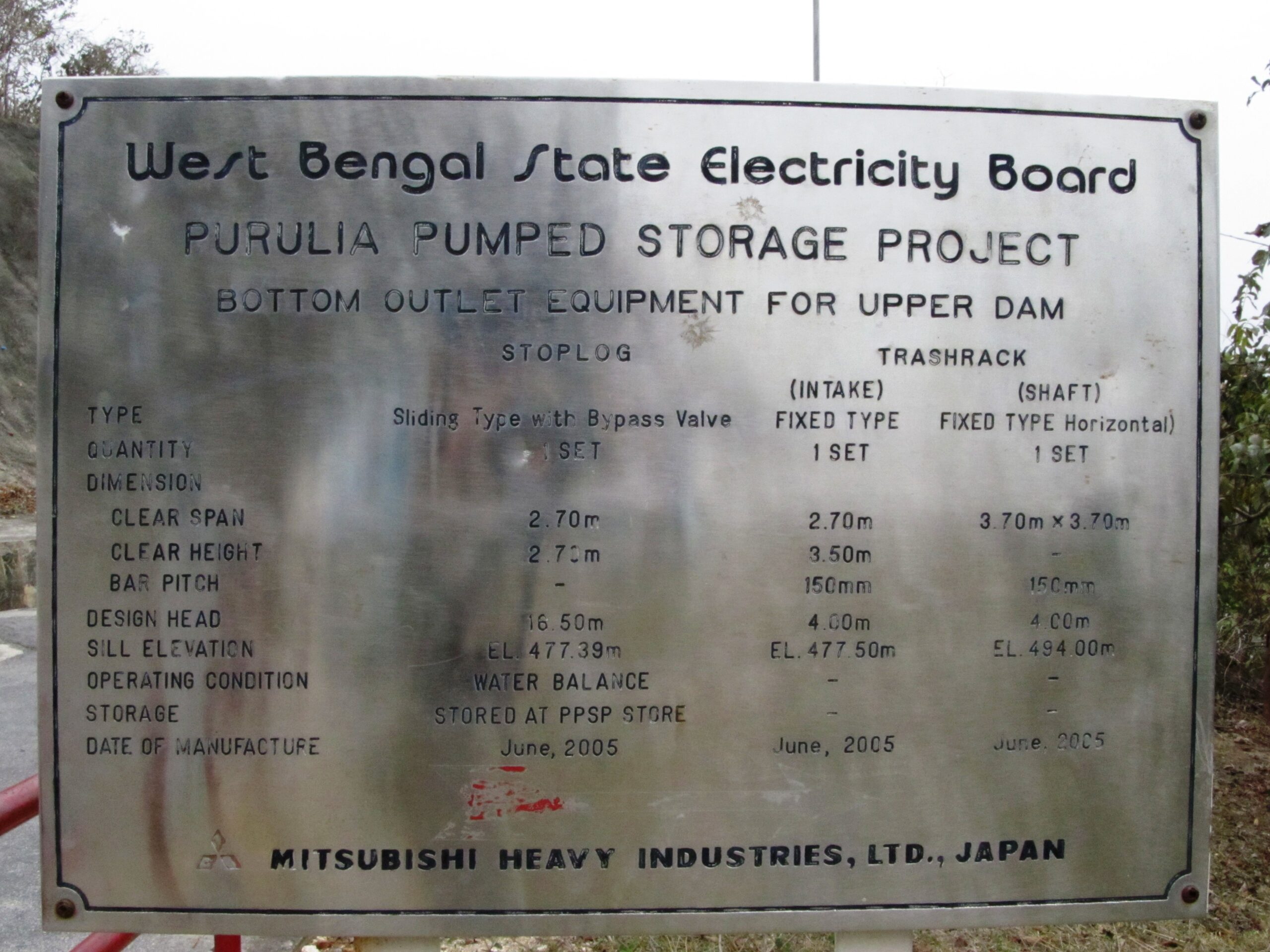
Pumped Storage Projects: The Best Proven Solutions for India

Pumped Storage Projects are becoming a focal point for energy innovation in India. The NTPC-EDF joint venture aims to lead this next wave of development, enhancing energy storage capabilities.

Overview of Pumped Storage Projects

Pumped storage projects are essential components of energy management systems, particularly in regions like India, where renewable energy sources are rapidly expanding. These projects serve as a form of energy storage, allowing for the efficient balancing of supply and demand. By using excess energy to pump water to a higher elevation, this energy can be released later to generate electricity when demand peaks.

Recently, the NTPC-EDF joint venture has set its sights on developing the next wave of pumped storage projects in India. This initiative aims to enhance the reliability and stability of the power grid, especially with the increasing integration of solar and wind energy sources.

Some key benefits of pumped storage projects include:

  • Energy Efficiency: They provide a way to store energy for later use, making the energy supply more reliable.
  • Grid Stability: These projects help to mitigate fluctuations in power supply, ensuring that energy demands are met consistently.
  • Environmental Impact: They support a greater reliance on renewable energy, reducing dependence on fossil fuels.

Overall, pumped storage projects represent a promising solution for India’s energy future.

Benefits of Pumped Storage in India

Pumped storage projects offer significant advantages for India as it seeks to enhance its energy security and support renewable energy integration. These projects act as a reliable mechanism for balancing supply and demand, particularly with the increasing reliance on intermittent sources like solar and wind energy.

One of the primary benefits of pumped storage is its ability to store excess energy generated during peak production times. This stored energy can then be released during periods of high demand, ensuring a stable and continuous power supply. In a country like India, where energy needs are rapidly growing, this capability is essential.

Additionally, pumped storage projects contribute to grid stability by providing ancillary services such as frequency regulation. This feature helps maintain the overall health of the electrical grid, minimizing the risk of blackouts.

Moreover, these projects can create numerous jobs during both construction and operation phases, further boosting local economies. As India continues to explore innovative solutions for its energy challenges, pumped storage projects emerge as one of the best proven solutions to achieve a sustainable and resilient energy future.

Challenges Facing Pumped Storage Projects

Pumped storage projects in India face several challenges that could hinder their development and implementation. These challenges include:

  • Regulatory Hurdles: The approval process for pumped storage projects often involves multiple governmental and environmental clearances, which can lead to significant delays.
  • High Initial Investment: The capital required to construct pumped storage facilities is substantial, making it difficult for investors to commit without guaranteed returns.
  • Environmental Concerns: The construction of reservoirs for pumped storage can disrupt local ecosystems and displace communities, raising opposition from environmental activists and local populations.
  • Geographical Limitations: Suitable sites for pumped storage projects are limited, as they require specific topographical conditions to be effective.
  • Technological Challenges: While the technology for pumped storage is established, integrating these systems with existing power grids poses technical difficulties.

Despite these challenges, the potential for pumped storage projects to enhance energy security and storage capacity in India remains promising, particularly as the country seeks to balance its renewable energy ambitions with reliable power supply.

The Future of Energy Storage Solutions

The future of energy storage solutions in India is increasingly leaning towards pumped storage projects, which have proven to be a reliable method for balancing energy supply and demand. As the country aims to meet its growing energy needs while transitioning towards renewable sources, these projects offer a viable path forward.

With advancements in technology and increased investment from both public and private sectors, the potential for expanded pumped storage capacity is significant. Key players, such as the NTPC-EDF joint venture, are focusing on developing innovative solutions that can enhance efficiency and reduce costs. This collaborative approach is expected to pave the way for new projects that can harness India’s vast hydro resources.

Moreover, as the government sets ambitious targets for renewable energy, integrating pumped storage projects into the energy mix will be crucial. This integration will not only provide a buffer against the intermittency of renewable sources but also support grid stability.

In summary, the future of energy storage in India looks promising, with pumped storage projects at the forefront of this transformation, ensuring a sustainable and resilient energy landscape.

By Ayan Mukherjee via Openverse

Read the original

urbanacres.in

Related stories

Mini Data Center Launch: The Best Space Tech Move Yet · India Mobile Congress: The Best Platform for Global Tech Brands · Lemon Tree Hotels: Smart Move with New Nashik Location

500 kV transmission line: Best Proven Investment for Vietnam

The 500 kV transmission line has been approved as a key project to enhance Vietnam’s energy infrastructure. This development marks a significant step for EVNNPT and the country’s energy sector.

Overview of the 500 kV transmission line project

The 500 kV transmission line project is a significant development aimed at enhancing Vietnam’s electricity infrastructure. This ambitious initiative has been approved by Vietnam’s EVNNPT as the investor for the 500 kV Thai Nguyen–Yen Bai transmission line, which is expected to play a crucial role in meeting the growing energy demands of the region.

Key features of the project include:

  • Increased Capacity: The 500 kV transmission line is designed to improve the capacity for electricity distribution, ensuring a reliable supply to both urban and rural areas.
  • Enhanced Stability: This project aims to bolster the stability of the national grid, reducing the risk of outages and enhancing energy security.
  • Economic Growth: By providing a robust electricity network, the transmission line will facilitate industrial growth and attract investment into the region.
  • Environmental Considerations: The project will incorporate sustainable practices to minimize its ecological impact while promoting renewable energy sources.

In summary, the 500 kV transmission line project represents a transformative step towards modernizing Vietnam’s energy infrastructure, ensuring that it meets the demands of the future while contributing to economic development.

Significance of EVNNPT’s investment

The decision by EVNNPT to invest in the 500 kV transmission line project represents a critical step towards enhancing Vietnam’s energy infrastructure. This investment is expected to significantly improve the reliability and efficiency of electricity distribution across the northern regions of the country.

One of the primary significances of this investment includes:

  • Increased Energy Capacity: The 500 kV transmission line will allow for a greater capacity to transport electricity, meeting the growing demand for energy in urban and industrial areas.
  • Enhanced Grid Stability: By connecting various regions, it will strengthen the national grid, making it more resilient to outages and fluctuations.
  • Environmental Benefits: With a more efficient transmission system, the reliance on fossil fuels can be reduced, contributing to Vietnam’s commitment to sustainable energy and lower carbon emissions.
  • Economic Growth: Improved electricity access is likely to attract more investments and boost economic growth by supporting various sectors, including manufacturing and technology.

In conclusion, the 500 kV transmission line project not only aligns with Vietnam’s energy goals but also serves as a proven investment to support long-term economic development.

Impact on Vietnam’s energy infrastructure

The introduction of the 500 kV transmission line is poised to have a transformative impact on Vietnam’s energy infrastructure. This high-voltage network will enhance the reliability and efficiency of electricity distribution across the nation, addressing the growing demand for energy in both urban and rural areas.

Key benefits of this project include:

  • Improved Connectivity: The new transmission line will connect major power generation sources to consumption centers, facilitating a more balanced load distribution.
  • Increased Capacity: With a capacity to transmit larger volumes of electricity, the 500 kV transmission line will help mitigate the risk of blackouts and power shortages.
  • Reduction in Losses: High-voltage transmission reduces energy losses over long distances, making the overall system more efficient and cost-effective.
  • Support for Renewable Energy: This infrastructure will enable better integration of renewable energy sources, fostering a greener energy mix.

As Vietnam continues to modernize its energy sector, the 500 kV transmission line stands out as a key investment that will bolster the country’s economic growth and sustainability efforts.

Future developments in energy transmission

The future of energy transmission in Vietnam is poised for significant advancements, particularly with the ongoing developments related to the 500 kV transmission line. As the country continues to expand its energy infrastructure, the focus will be on integrating more renewable energy sources, improving efficiency, and meeting the growing demand for electricity.

Key initiatives are expected to include:

  • Expansion of the Transmission Network: The 500 kV transmission line will play a pivotal role in connecting remote renewable energy projects to major consumption centers, ensuring a more reliable and sustainable energy supply.
  • Technological Innovations: The integration of advanced technologies such as smart grid solutions will enhance the monitoring and management of electricity flow, making the system more resilient and responsive.
  • Increased Investment: As EVNNPT leads the charge, additional investments from both domestic and foreign entities are anticipated, boosting the overall energy sector in Vietnam.

With these developments, the 500 kV transmission line is not just an infrastructure project but a catalyst for Vietnam’s energy revolution, paving the way for a sustainable future.

Challenges and opportunities for EVNNPT

The implementation of the 500 kV transmission line project presents both challenges and opportunities for EVNNPT. As the primary investor, the company must navigate various hurdles while also capitalizing on the potential benefits that such a significant infrastructure project offers.

One of the main challenges is the coordination with various stakeholders, including local governments, communities, and environmental groups. Ensuring transparency and fostering collaboration will be crucial in addressing concerns related to land use and environmental impact.

Furthermore, the technical complexities involved in constructing a high-voltage transmission line require advanced engineering solutions and skilled labor. EVNNPT may face difficulties in sourcing the necessary technology and expertise, which could impact project timelines.

On the other hand, the opportunities are substantial. The 500 kV transmission line is expected to enhance energy security and reliability across the region, potentially attracting further investment and boosting local economies. Additionally, successful implementation may position EVNNPT as a leader in energy transmission innovation, paving the way for future projects.

  • Stakeholder engagement: Building relationships with local communities.
  • Technological advancement: Leveraging innovation for efficient construction.
  • Economic growth: Stimulating local economies through infrastructure development.

Photo by Alexey Demidov on Pexels

References

Related stories

White House helipad: Proven benefits of the new facility

The White House helipad is now operational, providing a new facility for swift departures. This addition enhances accessibility and efficiency for the President and other officials.

Overview of the new White House helipad

The recent inauguration of the White House helipad marks a significant upgrade to the South Lawn facilities, enhancing the operational capabilities of the presidential transportation system. This new helipad is designed to accommodate the increasing demands of modern governance and ensures swift and efficient travel for the President.

Key features of the White House helipad include:

  • Improved Accessibility: The helipad provides direct access to Marine One, reducing travel time for the President during critical situations.
  • Enhanced Safety: State-of-the-art technology and safety measures have been implemented to ensure secure landings and takeoffs.
  • Environmental Considerations: The design incorporates eco-friendly materials and landscaping, aligning with contemporary sustainability efforts.

Moreover, this facility is expected to play a crucial role in emergency responses, allowing for rapid evacuation if necessary. The new helipad not only symbolizes progress in the logistics of presidential travel but also reflects a commitment to modernizing infrastructure to meet the needs of the highest office in the nation.

Why the helipad is important for officials

The new White House helipad is a crucial addition for government officials, offering numerous advantages that enhance operational efficiency and security. This facility allows for rapid transportation, enabling officials to travel quickly to important meetings or emergencies without the delays associated with ground transportation.

One of the primary reasons for the importance of the helipad is its ability to facilitate timely responses during critical situations. In instances where every second counts, the White House helipad serves as a strategic asset, ensuring that key personnel can reach their destinations swiftly. The facility also supports increased security, as air travel reduces exposure to potential threats on the road.

Moreover, the helipad enhances the overall logistical capabilities of the White House, allowing for smoother transitions between events and meetings. This improvement not only benefits top officials but also contributes to the effectiveness of the entire administration. With the White House helipad in operation, officials can maintain a higher level of readiness, adapting to the fast-paced demands of governance while ensuring safety and security at all times.

In summary, the White House helipad represents a vital resource for officials, combining efficiency, security, and improved operational functionality.

Impact on transportation efficiency

The recent inauguration of the White House helipad has significantly improved transportation efficiency for government officials. By providing a dedicated landing space for Marine One, the new facility reduces travel time during critical missions and events.

Several key benefits have been observed since the helipad’s opening:

  • Time Savings: The helipad allows for quicker departures and arrivals, minimizing delays associated with ground transportation.
  • Enhanced Security: By centralizing air travel, the helipad streamlines security protocols, ensuring a safer environment for officials.
  • Increased Accessibility: The facility enables faster access to other locations, facilitating urgent responses to national and international events.
  • Improved Coordination: With a dedicated space for helicopter operations, communication and planning for transport logistics have become more efficient.

Overall, the White House helipad stands as a testament to the commitment to enhancing operational efficiency within the federal government. Such improvements not only benefit officials but also bolster public trust in timely governmental responses.

Future plans for White House infrastructure

The future plans for White House infrastructure include several key enhancements aimed at improving functionality and security. The recent inauguration of the new White House helipad has set the stage for additional developments that prioritize efficient transportation for officials and dignitaries.

Among the proposed upgrades are:

  • Expanded Security Features: Enhanced surveillance systems and barriers to ensure the safety of all helicopter landings and takeoffs.
  • Improved Access Routes: Development of clearer access paths from the helipad to the main building, minimizing delays during critical moments.
  • Environmental Considerations: Implementation of sustainable practices in the maintenance of the helipad and surrounding areas to align with broader governmental green initiatives.

These advancements not only emphasize the importance of the White House helipad in modern governance but also reflect a commitment to adapting infrastructure for future needs. As technology and protocols evolve, the White House aims to maintain its position as a leader in effective emergency and operational response strategies.

Overall, the continued investment in this iconic facility signifies a proactive approach to national security and operational excellence.

Photo by Mikhail Nilov on Pexels

Sources

You might also like

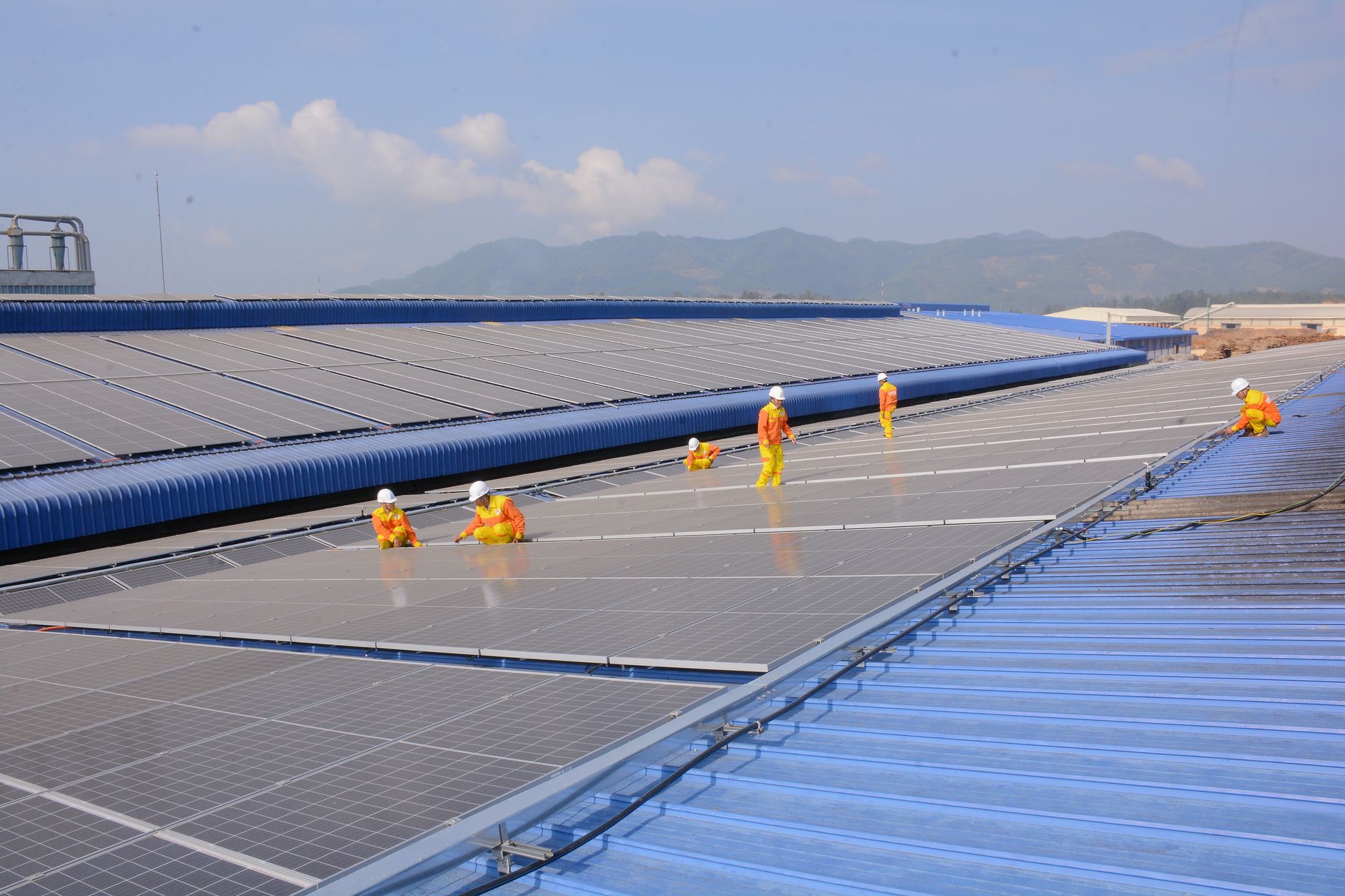
Solar Power Project: Proven Benefits for Aster Medcity

The solar power project at Aster Medcity is a significant step towards sustainable energy in Kerala. This 10 MW initiative aims to enhance the quality of care while promoting eco-friendly practices.

Overview of the Solar Power Project

Aster DM Quality Care has recently commissioned a 10 MW solar power project for Aster Medcity in Kerala, marking a significant step towards sustainable energy practices in the healthcare sector. This initiative highlights Aster Medcity’s commitment to reducing its carbon footprint while providing quality healthcare services.

The solar power project aims to harness the abundant sunlight in the region, enabling the facility to generate clean energy that will power its operations. This transition to renewable energy is expected to offer a variety of benefits, including:

  • Cost savings on electricity bills, allowing funds to be redirected towards patient care and other essential services.
  • Reduction in greenhouse gas emissions, contributing to a healthier environment and supporting the global fight against climate change.
  • Increased energy independence, ensuring reliable power supply for medical services at all times.

Overall, the solar power project is poised to enhance the operational efficiency of Aster Medcity while setting a benchmark for sustainable practices in healthcare.

Benefits of Solar Energy for Healthcare

The integration of solar energy into healthcare facilities offers numerous advantages, particularly for institutions like Aster Medcity, which has recently commissioned a 10 MW solar power project. This initiative not only enhances operational efficiency but also promotes sustainability.

Some key benefits include:

  • Cost Savings: By utilizing solar power, Aster Medcity can significantly reduce its electricity bills, allowing funds to be redirected towards patient care and facility improvements.
  • Environmental Impact: Solar energy is a clean, renewable resource that minimizes the carbon footprint, aligning with global efforts to combat climate change.
  • Energy Independence: The solar power project provides a reliable energy source, reducing dependence on traditional power grids and enhancing resilience during outages.
  • Enhanced Patient Care: With a stable power supply, medical equipment operates efficiently, ensuring that patients receive uninterrupted care.

Overall, the solar power project at Aster Medcity exemplifies the positive impact of renewable energy in the healthcare sector.

Impact on Aster Medcity’s Operations

The recent commissioning of a solar power project at Aster Medcity is set to significantly enhance the operational efficiency of the healthcare facility. By integrating renewable energy into its operations, Aster Medcity aims to minimize its reliance on conventional power sources, ultimately reducing operational costs.

One of the primary impacts of this initiative is the ability to maintain uninterrupted power supply, which is critical for medical facilities. The 10 MW solar power project will ensure that essential services remain functional even during grid outages, thus improving patient safety and care.

Furthermore, the project aligns with Aster Medcity’s commitment to sustainability. By utilizing clean energy, the hospital contributes to lowering carbon emissions, reinforcing its role as a leader in environmentally responsible healthcare. This initiative not only supports the facility’s operational goals but also enhances its reputation as a forward-thinking institution dedicated to the well-being of both patients and the planet.

In conclusion, the solar power project marks a transformative step for Aster Medcity, ensuring reliability and sustainability in its operations.

Sustainability Goals of Aster DM Quality Care

Aster DM Quality Care is committed to achieving its sustainability goals through innovative energy solutions. The recent commissioning of a solar power project at Aster Medcity in Kerala marks a significant milestone in this journey. By harnessing solar energy, Aster DM is not only reducing its carbon footprint but also promoting environmental stewardship within the healthcare sector.

The integration of renewable energy into Aster Medcity’s operations aligns with global efforts to combat climate change and encourages other healthcare institutions to follow suit. The solar power project is expected to generate 10 MW of clean energy, which will substantially lower greenhouse gas emissions and contribute to energy savings.

Moreover, this initiative supports Aster DM Quality Care’s broader mission to enhance patient care while being mindful of ecological impacts. The commitment to sustainability is reflected in various practices, including:

  • Utilization of energy-efficient technologies
  • Implementation of waste reduction strategies
  • Promotion of green building standards

These efforts demonstrate Aster DM’s dedication to a healthier future for both patients and the planet.

Future of Renewable Energy in Kerala

The future of renewable energy in Kerala looks promising, particularly with the successful implementation of the solar power project at Aster Medcity. As the state pushes for greener alternatives, the integration of solar energy into healthcare facilities sets a positive precedent.

Kerala has been steadily increasing its focus on sustainability, and this project exemplifies the commitment to harnessing natural resources effectively. The shift towards solar power not only reduces greenhouse gas emissions but also promotes energy independence, which is essential for the region’s long-term energy strategy.

Moreover, this initiative aligns with the state’s vision of achieving a significant share of energy from renewable sources. By investing in solar infrastructure, Aster Medcity positions itself as a leader in the healthcare sector, showcasing how hospitals can contribute to environmental conservation.

As the demand for clean energy continues to grow, the success of the solar power project will likely inspire other institutions across Kerala to adopt similar sustainable practices, benefiting both the environment and community health.

Community Response to the Initiative

The launch of the solar power project at Aster Medcity has garnered a positive response from the local community. Residents have expressed enthusiasm about the initiative, recognizing its potential to enhance environmental sustainability and reduce energy costs.

Community members have highlighted several key benefits they associate with the solar power project:

  • Job Creation: The construction and maintenance of the solar facility are expected to create numerous job opportunities for local workers.
  • Environmental Impact: Many are pleased that the project promotes clean energy, contributing to a reduction in carbon emissions and fostering a healthier environment.
  • Public Awareness: The initiative has sparked conversations about renewable energy, encouraging more residents to consider solar solutions for their own homes.
  • Healthcare Access: With lower operational costs, Aster Medcity can allocate more resources towards improving patient care and expanding services.

Overall, the community is optimistic that this solar power project will serve as a model for future renewable energy initiatives in the region.

Photo by Hoan Ngọc on Pexels

References

Related stories

India Infrastructure Projects: The Best and Worst Updates

India infrastructure projects are at a pivotal point in 2026, showcasing a mix of openings, ongoing constructions, and delays that impact the economy.

Current Status of Infrastructure Projects

The current status of infrastructure projects in India reveals a mixed landscape of progress and delays. With the government’s push towards rapid development, several initiatives have shown promise, while others are facing significant setbacks.

Among the key projects making headway are:

  • Delhi-Mumbai Expressway: This ambitious project is nearing completion, expected to significantly cut travel time between the two major cities.
  • Mumbai Coastal Road: The project is well underway, enhancing connectivity and urban mobility along the coastline.

However, not all endeavors are progressing smoothly. Challenges such as land acquisition, funding issues, and environmental concerns have led to delays in various projects, including:

  • Chardham Highway Project: This crucial undertaking has faced hurdles, impacting its timeline for completion.
  • Regional Rapid Transit System: Delays in the implementation of this project have raised concerns regarding urban transportation improvements.

As India continues to invest in infrastructure projects, stakeholders remain hopeful that ongoing efforts will yield positive results in the coming years.

Major Projects Open in 2026

As India gears up for significant advancements in its infrastructure, several key projects are expected to open their doors in 2026. These initiatives are part of the broader push to enhance connectivity and support economic growth across the nation.

  • Mumbai Coastal Road Project: This ambitious project aims to ease traffic congestion and provide a scenic coastal drive. Slated for completion in 2026, it promises to transform urban mobility in Mumbai.
  • Delhi-Meerut Expressway: Designed to reduce travel time between the national capital and Meerut, this expressway is set to play a crucial role in regional development and is expected to be fully operational by 2026.
  • Chennai Peripheral Ring Road: This road will enhance connectivity to various industrial hubs around Chennai, facilitating smoother transportation and logistics for businesses.

These projects are indicative of the government’s commitment to enhancing India’s infrastructure landscape. However, challenges remain, including land acquisition and environmental concerns, which could impact timelines. Overall, the outlook for India infrastructure projects in 2026 remains optimistic, with a focus on sustainable and efficient development.

Key Projects Under Construction

India is currently witnessing a surge in infrastructure development, with several key projects under construction that aim to enhance connectivity and boost economic growth. These India infrastructure projects are crucial for the country’s ambition to facilitate trade and improve the quality of life for its citizens.

Among the most notable projects are:

  • Mumbai Trans Harbour Link: This ambitious bridge project is set to connect Mumbai with Navi Mumbai, significantly reducing travel time and easing congestion.
  • Delhi-Meerut Expressway: Aimed at providing faster access between the two cities, this expressway will feature state-of-the-art facilities and is expected to be completed by next year.
  • Chennai Peripheral Ring Road: Designed to decongest urban traffic, this ring road will connect various highways and improve connectivity to Chennai.

While these projects promise significant benefits, challenges such as delays and budget overruns remain. Stakeholders are closely monitoring progress to ensure that these India infrastructure projects achieve their intended goals on schedule.

Delays in Infrastructure Development

Delays in infrastructure development have become a significant concern for many ongoing India infrastructure projects. Recent reports indicate that over 30% of the major projects are behind schedule, impacting not only the economy but also the daily lives of citizens who rely on improved infrastructure.

Among the key factors contributing to these delays are:

  • Land acquisition issues: Many projects face hurdles in acquiring the necessary land, resulting in prolonged negotiations and legal disputes.
  • Funding constraints: Insufficient financial backing has led to project slowdowns, with some initiatives struggling to secure the required investments.
  • Regulatory hurdles: Complex approval processes often stall progress, causing frustration among stakeholders.
  • Environmental concerns: Increased scrutiny over ecological impacts has led to project re-evaluations and further delays.

As the government continues to prioritize infrastructure development, addressing these challenges will be crucial to ensure timely completion of projects and overall economic growth.

Government Initiatives for Improvement

The Indian government has been actively pursuing various initiatives aimed at improving the nation’s infrastructure projects. With a focus on enhancing connectivity and fostering economic growth, these initiatives are designed to tackle the existing challenges faced by the sector.

Some key government initiatives include:

  • National Infrastructure Pipeline: Launched to provide a roadmap for infrastructure development across various sectors, this pipeline aims to invest over ₹100 lakh crore by 2025.
  • PM Gati Shakti: This program is focused on creating a digital platform for better coordination and execution of infrastructure projects, ensuring timely completion.
  • Atmanirbhar Bharat Abhiyan: Aimed at promoting self-reliance, this initiative includes significant investment in infrastructure, particularly in rural and semi-urban areas.

Moreover, the government has also emphasized public-private partnerships (PPPs) to accelerate the pace of development. By leveraging private investment and expertise, these collaborations can enhance the efficiency of various infrastructure projects throughout India.

Future Outlook for Indian Infrastructure

The future outlook for Indian infrastructure projects appears promising, with several factors contributing to the potential for growth and development. As the government continues to invest heavily in various sectors, the emphasis on enhancing transportation, energy, and urban infrastructure remains a top priority.

One of the critical areas of focus is the expansion of transportation networks, including highways, railways, and airports. These developments are expected to boost economic activity and improve connectivity across the nation. Additionally, the push towards sustainable energy projects will likely transform India’s energy landscape, aligning with global environmental goals.

However, challenges such as land acquisition issues and bureaucratic hurdles could pose risks to timelines. The government is making strides to streamline processes, but successful implementation will be crucial for the timely completion of these projects.

In summary, while the future outlook for Indian infrastructure projects holds significant promise, careful planning and execution will be vital to ensure that the ambitious goals set forth are met, ultimately improving the quality of life for millions of citizens.

Recent assessments reveal that while some India infrastructure projects have made significant progress, others have faced delays and budget overruns. The contrasting outcomes of these India infrastructure projects highlight the need for better planning and execution strategies.

Photo by Anil Sharma on Pexels

References

PSU Connect

Related stories

Is Lava Virat Curve India the Best Smartphone with 6000mAh Battery? · Oil Prices Rise: Best Strategies for Real Estate Investors · Metro 13 project: Quick and Smart Transformation for Mumbai