Railway projects in Gujarat: Worth Investing in Proven Growth

railway projects in Gujarat have been launched with an investment of Rs 1,472 crore, showcasing the government’s commitment to enhancing infrastructure.

Overview of Railway Projects

The recent launch of railway projects in Gujarat, amounting to Rs 1,472 crore, marks a significant investment in the region’s transportation infrastructure. These projects aim to enhance connectivity and improve the efficiency of railway operations in the state.

Among the key initiatives introduced are:

  • LNG train services to promote cleaner energy solutions.
  • WAG-12 locomotives designed for high-speed freight transport.
  • Kavach system, an advanced safety mechanism to prevent train accidents.
  • Station upgrades to improve passenger experience and amenities.

These railway projects in Gujarat not only showcase technological advancements but also promise to drive economic growth and job creation in the region.

Investment Details and Impact

The recent launch of railway projects in Gujarat, valued at Rs 1,472 crore, signals a significant investment in the region’s infrastructure. These projects are not just about enhancing connectivity; they are poised to drive economic growth and create job opportunities. Key initiatives include the introduction of the LNG train and the state-of-the-art WAG-12 locomotive, both of which are expected to improve freight efficiency.

Furthermore, the implementation of the Kavach system aims to bolster safety measures across the network. As Gujarat continues to attract attention for its railway projects, stakeholders are optimistic about the long-term benefits. A robust railway system can lead to increased trade and tourism, ultimately enhancing the state’s economic landscape.

Investing in these railway projects in Gujarat appears to be a strategic move that promises substantial returns for both the state and its residents.

Key Features of the LNG Train

The recent launch of railway projects in Gujarat signifies a robust commitment to enhancing the region’s infrastructure. Among the key features of the LNG train are:

  • Innovative Technology: The LNG train utilizes advanced technology to improve efficiency and reduce emissions.
  • Enhanced Capacity: This project aims to significantly increase the freight capacity, facilitating smoother logistics.
  • Economic Growth: By connecting major industrial hubs, the LNG train will boost trade and investment opportunities.
  • Safety Features: Equipped with modern safety systems, it ensures secure operations across the network.
  • Job Creation: The implementation of these railway projects in Gujarat is expected to generate numerous job opportunities in the region.

Overall, the LNG train and associated projects represent a significant step forward for Gujarat’s railway infrastructure and economic landscape.

WAG-12 Loco Specifications

The WAG-12 locomotive, a significant development in railway projects in Gujarat, showcases advanced technology and efficiency. This electric locomotive is designed to haul heavy freight trains, enhancing the overall logistics capabilities of the Indian Railways.

Key specifications of the WAG-12 include:

  • Power Output: 12,000 horsepower, making it one of the most powerful locos in service.
  • Speed: Capable of reaching speeds up to 120 km/h, optimizing transit times.
  • Energy Efficiency: Incorporates regenerative braking technology, reducing energy consumption.
  • Design: Modern aerodynamic design for improved aerodynamics and reduced drag.

With these specifications, the WAG-12 loco is poised to play a crucial role in the ongoing railway projects in Gujarat, potentially transforming freight transport in the region.

Kavach Technology Explained

The introduction of Kavach technology marks a significant advancement in the safety measures of railway projects in Gujarat. This indigenous system is designed to enhance the efficiency and security of train operations, reducing the possibility of accidents due to human error or signal failures.

Kavach employs a combination of automatic train protection and real-time monitoring, ensuring that trains are consistently operating within safe parameters. The technology can automatically stop trains in case of potential hazards, thus safeguarding passengers and cargo alike.

With the ongoing railway projects in Gujarat, the implementation of Kavach is set to enhance overall operational safety and reliability. This technological upgrade not only boosts public confidence in rail travel but also aligns with the broader vision of modernizing India’s railway infrastructure.

Future of Railways in Gujarat

The future of railways in Gujarat looks promising, driven by significant investments and innovative technologies. With the recent launch of railway projects worth Rs 1,472 crore, the state is set to enhance its connectivity and efficiency in transportation. These railway projects in Gujarat aim to not only modernize the existing infrastructure but also to introduce advanced systems such as the LNG train and the WAG-12 locomotives.

Moreover, the implementation of safety technologies like Kavach ensures a secure travel experience for passengers. As Gujarat continues to expand its railway network, the focus remains on sustainability and reducing carbon emissions, aligning with national goals for greener transportation solutions. The commitment to these advancements positions Gujarat as a leader in railway innovation, attracting further investment and setting a benchmark for other states.

  • Increased connectivity
  • Advanced safety measures
  • Sustainable transportation solutions

Community Benefits from New Projects

The recent launch of railway projects in Gujarat is set to bring significant benefits to local communities. These initiatives not only aim to enhance connectivity but also support economic growth in the region.

Key community benefits include:

  • Job Creation: The construction and operation of new railway lines will generate numerous employment opportunities.
  • Improved Accessibility: Enhanced railway infrastructure will provide better access to markets, education, and healthcare facilities.
  • Sustainable Development: Focus on eco-friendly technologies like the LNG train will contribute to a cleaner environment.
  • Boost in Local Businesses: Increased rail connectivity can lead to a rise in commerce and trade for small businesses.

Overall, the railway projects in Gujarat are poised to create a positive impact on the quality of life for residents.

Sources

More on this site

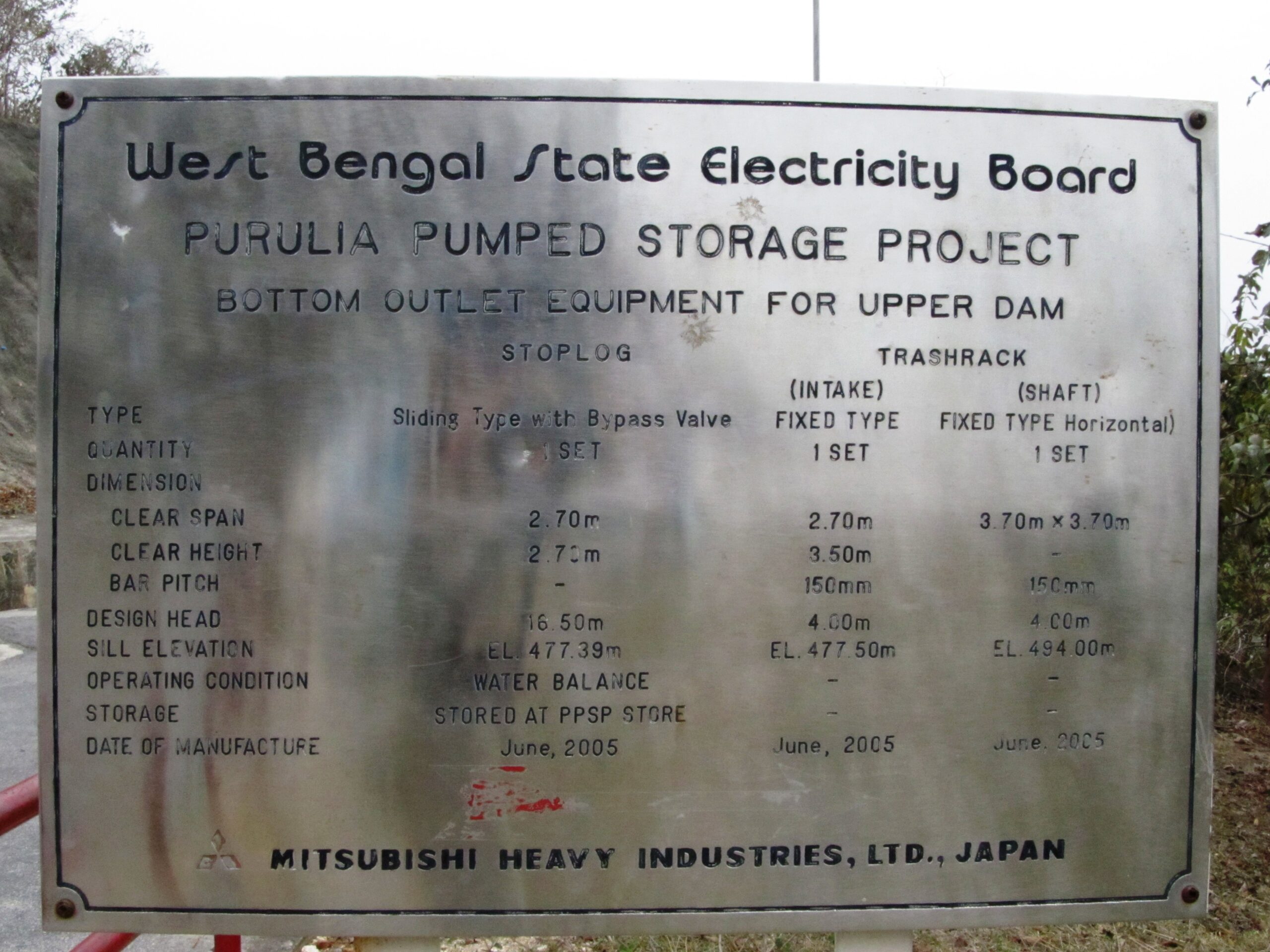
Pumped Storage Projects: The Best Proven Solutions for India

Pumped Storage Projects are becoming a focal point for energy innovation in India. The NTPC-EDF joint venture aims to lead this next wave of development, enhancing energy storage capabilities.

Overview of Pumped Storage Projects

Pumped storage projects are essential components of energy management systems, particularly in regions like India, where renewable energy sources are rapidly expanding. These projects serve as a form of energy storage, allowing for the efficient balancing of supply and demand. By using excess energy to pump water to a higher elevation, this energy can be released later to generate electricity when demand peaks.

Recently, the NTPC-EDF joint venture has set its sights on developing the next wave of pumped storage projects in India. This initiative aims to enhance the reliability and stability of the power grid, especially with the increasing integration of solar and wind energy sources.

Some key benefits of pumped storage projects include:

  • Energy Efficiency: They provide a way to store energy for later use, making the energy supply more reliable.
  • Grid Stability: These projects help to mitigate fluctuations in power supply, ensuring that energy demands are met consistently.
  • Environmental Impact: They support a greater reliance on renewable energy, reducing dependence on fossil fuels.

Overall, pumped storage projects represent a promising solution for India’s energy future.

Benefits of Pumped Storage in India

Pumped storage projects offer significant advantages for India as it seeks to enhance its energy security and support renewable energy integration. These projects act as a reliable mechanism for balancing supply and demand, particularly with the increasing reliance on intermittent sources like solar and wind energy.

One of the primary benefits of pumped storage is its ability to store excess energy generated during peak production times. This stored energy can then be released during periods of high demand, ensuring a stable and continuous power supply. In a country like India, where energy needs are rapidly growing, this capability is essential.

Additionally, pumped storage projects contribute to grid stability by providing ancillary services such as frequency regulation. This feature helps maintain the overall health of the electrical grid, minimizing the risk of blackouts.

Moreover, these projects can create numerous jobs during both construction and operation phases, further boosting local economies. As India continues to explore innovative solutions for its energy challenges, pumped storage projects emerge as one of the best proven solutions to achieve a sustainable and resilient energy future.

Challenges Facing Pumped Storage Projects

Pumped storage projects in India face several challenges that could hinder their development and implementation. These challenges include:

  • Regulatory Hurdles: The approval process for pumped storage projects often involves multiple governmental and environmental clearances, which can lead to significant delays.
  • High Initial Investment: The capital required to construct pumped storage facilities is substantial, making it difficult for investors to commit without guaranteed returns.
  • Environmental Concerns: The construction of reservoirs for pumped storage can disrupt local ecosystems and displace communities, raising opposition from environmental activists and local populations.
  • Geographical Limitations: Suitable sites for pumped storage projects are limited, as they require specific topographical conditions to be effective.
  • Technological Challenges: While the technology for pumped storage is established, integrating these systems with existing power grids poses technical difficulties.

Despite these challenges, the potential for pumped storage projects to enhance energy security and storage capacity in India remains promising, particularly as the country seeks to balance its renewable energy ambitions with reliable power supply.

The Future of Energy Storage Solutions

The future of energy storage solutions in India is increasingly leaning towards pumped storage projects, which have proven to be a reliable method for balancing energy supply and demand. As the country aims to meet its growing energy needs while transitioning towards renewable sources, these projects offer a viable path forward.

With advancements in technology and increased investment from both public and private sectors, the potential for expanded pumped storage capacity is significant. Key players, such as the NTPC-EDF joint venture, are focusing on developing innovative solutions that can enhance efficiency and reduce costs. This collaborative approach is expected to pave the way for new projects that can harness India’s vast hydro resources.

Moreover, as the government sets ambitious targets for renewable energy, integrating pumped storage projects into the energy mix will be crucial. This integration will not only provide a buffer against the intermittency of renewable sources but also support grid stability.

In summary, the future of energy storage in India looks promising, with pumped storage projects at the forefront of this transformation, ensuring a sustainable and resilient energy landscape.

By Ayan Mukherjee via Openverse

Read the original

urbanacres.in

Related stories

Mini Data Center Launch: The Best Space Tech Move Yet · India Mobile Congress: The Best Platform for Global Tech Brands · Lemon Tree Hotels: Smart Move with New Nashik Location

500 kV transmission line: Best Proven Investment for Vietnam

The 500 kV transmission line has been approved as a key project to enhance Vietnam’s energy infrastructure. This development marks a significant step for EVNNPT and the country’s energy sector.

Overview of the 500 kV transmission line project

The 500 kV transmission line project is a significant development aimed at enhancing Vietnam’s electricity infrastructure. This ambitious initiative has been approved by Vietnam’s EVNNPT as the investor for the 500 kV Thai Nguyen–Yen Bai transmission line, which is expected to play a crucial role in meeting the growing energy demands of the region.

Key features of the project include:

  • Increased Capacity: The 500 kV transmission line is designed to improve the capacity for electricity distribution, ensuring a reliable supply to both urban and rural areas.
  • Enhanced Stability: This project aims to bolster the stability of the national grid, reducing the risk of outages and enhancing energy security.
  • Economic Growth: By providing a robust electricity network, the transmission line will facilitate industrial growth and attract investment into the region.
  • Environmental Considerations: The project will incorporate sustainable practices to minimize its ecological impact while promoting renewable energy sources.

In summary, the 500 kV transmission line project represents a transformative step towards modernizing Vietnam’s energy infrastructure, ensuring that it meets the demands of the future while contributing to economic development.

Significance of EVNNPT’s investment

The decision by EVNNPT to invest in the 500 kV transmission line project represents a critical step towards enhancing Vietnam’s energy infrastructure. This investment is expected to significantly improve the reliability and efficiency of electricity distribution across the northern regions of the country.

One of the primary significances of this investment includes:

  • Increased Energy Capacity: The 500 kV transmission line will allow for a greater capacity to transport electricity, meeting the growing demand for energy in urban and industrial areas.
  • Enhanced Grid Stability: By connecting various regions, it will strengthen the national grid, making it more resilient to outages and fluctuations.
  • Environmental Benefits: With a more efficient transmission system, the reliance on fossil fuels can be reduced, contributing to Vietnam’s commitment to sustainable energy and lower carbon emissions.
  • Economic Growth: Improved electricity access is likely to attract more investments and boost economic growth by supporting various sectors, including manufacturing and technology.

In conclusion, the 500 kV transmission line project not only aligns with Vietnam’s energy goals but also serves as a proven investment to support long-term economic development.

Impact on Vietnam’s energy infrastructure

The introduction of the 500 kV transmission line is poised to have a transformative impact on Vietnam’s energy infrastructure. This high-voltage network will enhance the reliability and efficiency of electricity distribution across the nation, addressing the growing demand for energy in both urban and rural areas.

Key benefits of this project include:

  • Improved Connectivity: The new transmission line will connect major power generation sources to consumption centers, facilitating a more balanced load distribution.
  • Increased Capacity: With a capacity to transmit larger volumes of electricity, the 500 kV transmission line will help mitigate the risk of blackouts and power shortages.
  • Reduction in Losses: High-voltage transmission reduces energy losses over long distances, making the overall system more efficient and cost-effective.
  • Support for Renewable Energy: This infrastructure will enable better integration of renewable energy sources, fostering a greener energy mix.

As Vietnam continues to modernize its energy sector, the 500 kV transmission line stands out as a key investment that will bolster the country’s economic growth and sustainability efforts.

Future developments in energy transmission

The future of energy transmission in Vietnam is poised for significant advancements, particularly with the ongoing developments related to the 500 kV transmission line. As the country continues to expand its energy infrastructure, the focus will be on integrating more renewable energy sources, improving efficiency, and meeting the growing demand for electricity.

Key initiatives are expected to include:

  • Expansion of the Transmission Network: The 500 kV transmission line will play a pivotal role in connecting remote renewable energy projects to major consumption centers, ensuring a more reliable and sustainable energy supply.
  • Technological Innovations: The integration of advanced technologies such as smart grid solutions will enhance the monitoring and management of electricity flow, making the system more resilient and responsive.
  • Increased Investment: As EVNNPT leads the charge, additional investments from both domestic and foreign entities are anticipated, boosting the overall energy sector in Vietnam.

With these developments, the 500 kV transmission line is not just an infrastructure project but a catalyst for Vietnam’s energy revolution, paving the way for a sustainable future.

Challenges and opportunities for EVNNPT

The implementation of the 500 kV transmission line project presents both challenges and opportunities for EVNNPT. As the primary investor, the company must navigate various hurdles while also capitalizing on the potential benefits that such a significant infrastructure project offers.

One of the main challenges is the coordination with various stakeholders, including local governments, communities, and environmental groups. Ensuring transparency and fostering collaboration will be crucial in addressing concerns related to land use and environmental impact.

Furthermore, the technical complexities involved in constructing a high-voltage transmission line require advanced engineering solutions and skilled labor. EVNNPT may face difficulties in sourcing the necessary technology and expertise, which could impact project timelines.

On the other hand, the opportunities are substantial. The 500 kV transmission line is expected to enhance energy security and reliability across the region, potentially attracting further investment and boosting local economies. Additionally, successful implementation may position EVNNPT as a leader in energy transmission innovation, paving the way for future projects.

  • Stakeholder engagement: Building relationships with local communities.
  • Technological advancement: Leveraging innovation for efficient construction.
  • Economic growth: Stimulating local economies through infrastructure development.

Photo by Alexey Demidov on Pexels

References

Related stories

White House helipad: Proven benefits of the new facility

The White House helipad is now operational, providing a new facility for swift departures. This addition enhances accessibility and efficiency for the President and other officials.

Overview of the new White House helipad

The recent inauguration of the White House helipad marks a significant upgrade to the South Lawn facilities, enhancing the operational capabilities of the presidential transportation system. This new helipad is designed to accommodate the increasing demands of modern governance and ensures swift and efficient travel for the President.

Key features of the White House helipad include:

  • Improved Accessibility: The helipad provides direct access to Marine One, reducing travel time for the President during critical situations.
  • Enhanced Safety: State-of-the-art technology and safety measures have been implemented to ensure secure landings and takeoffs.
  • Environmental Considerations: The design incorporates eco-friendly materials and landscaping, aligning with contemporary sustainability efforts.

Moreover, this facility is expected to play a crucial role in emergency responses, allowing for rapid evacuation if necessary. The new helipad not only symbolizes progress in the logistics of presidential travel but also reflects a commitment to modernizing infrastructure to meet the needs of the highest office in the nation.

Why the helipad is important for officials

The new White House helipad is a crucial addition for government officials, offering numerous advantages that enhance operational efficiency and security. This facility allows for rapid transportation, enabling officials to travel quickly to important meetings or emergencies without the delays associated with ground transportation.

One of the primary reasons for the importance of the helipad is its ability to facilitate timely responses during critical situations. In instances where every second counts, the White House helipad serves as a strategic asset, ensuring that key personnel can reach their destinations swiftly. The facility also supports increased security, as air travel reduces exposure to potential threats on the road.

Moreover, the helipad enhances the overall logistical capabilities of the White House, allowing for smoother transitions between events and meetings. This improvement not only benefits top officials but also contributes to the effectiveness of the entire administration. With the White House helipad in operation, officials can maintain a higher level of readiness, adapting to the fast-paced demands of governance while ensuring safety and security at all times.

In summary, the White House helipad represents a vital resource for officials, combining efficiency, security, and improved operational functionality.

Impact on transportation efficiency

The recent inauguration of the White House helipad has significantly improved transportation efficiency for government officials. By providing a dedicated landing space for Marine One, the new facility reduces travel time during critical missions and events.

Several key benefits have been observed since the helipad’s opening:

  • Time Savings: The helipad allows for quicker departures and arrivals, minimizing delays associated with ground transportation.
  • Enhanced Security: By centralizing air travel, the helipad streamlines security protocols, ensuring a safer environment for officials.
  • Increased Accessibility: The facility enables faster access to other locations, facilitating urgent responses to national and international events.
  • Improved Coordination: With a dedicated space for helicopter operations, communication and planning for transport logistics have become more efficient.

Overall, the White House helipad stands as a testament to the commitment to enhancing operational efficiency within the federal government. Such improvements not only benefit officials but also bolster public trust in timely governmental responses.

Future plans for White House infrastructure

The future plans for White House infrastructure include several key enhancements aimed at improving functionality and security. The recent inauguration of the new White House helipad has set the stage for additional developments that prioritize efficient transportation for officials and dignitaries.

Among the proposed upgrades are:

  • Expanded Security Features: Enhanced surveillance systems and barriers to ensure the safety of all helicopter landings and takeoffs.
  • Improved Access Routes: Development of clearer access paths from the helipad to the main building, minimizing delays during critical moments.
  • Environmental Considerations: Implementation of sustainable practices in the maintenance of the helipad and surrounding areas to align with broader governmental green initiatives.

These advancements not only emphasize the importance of the White House helipad in modern governance but also reflect a commitment to adapting infrastructure for future needs. As technology and protocols evolve, the White House aims to maintain its position as a leader in effective emergency and operational response strategies.

Overall, the continued investment in this iconic facility signifies a proactive approach to national security and operational excellence.

Photo by Mikhail Nilov on Pexels

Sources

You might also like

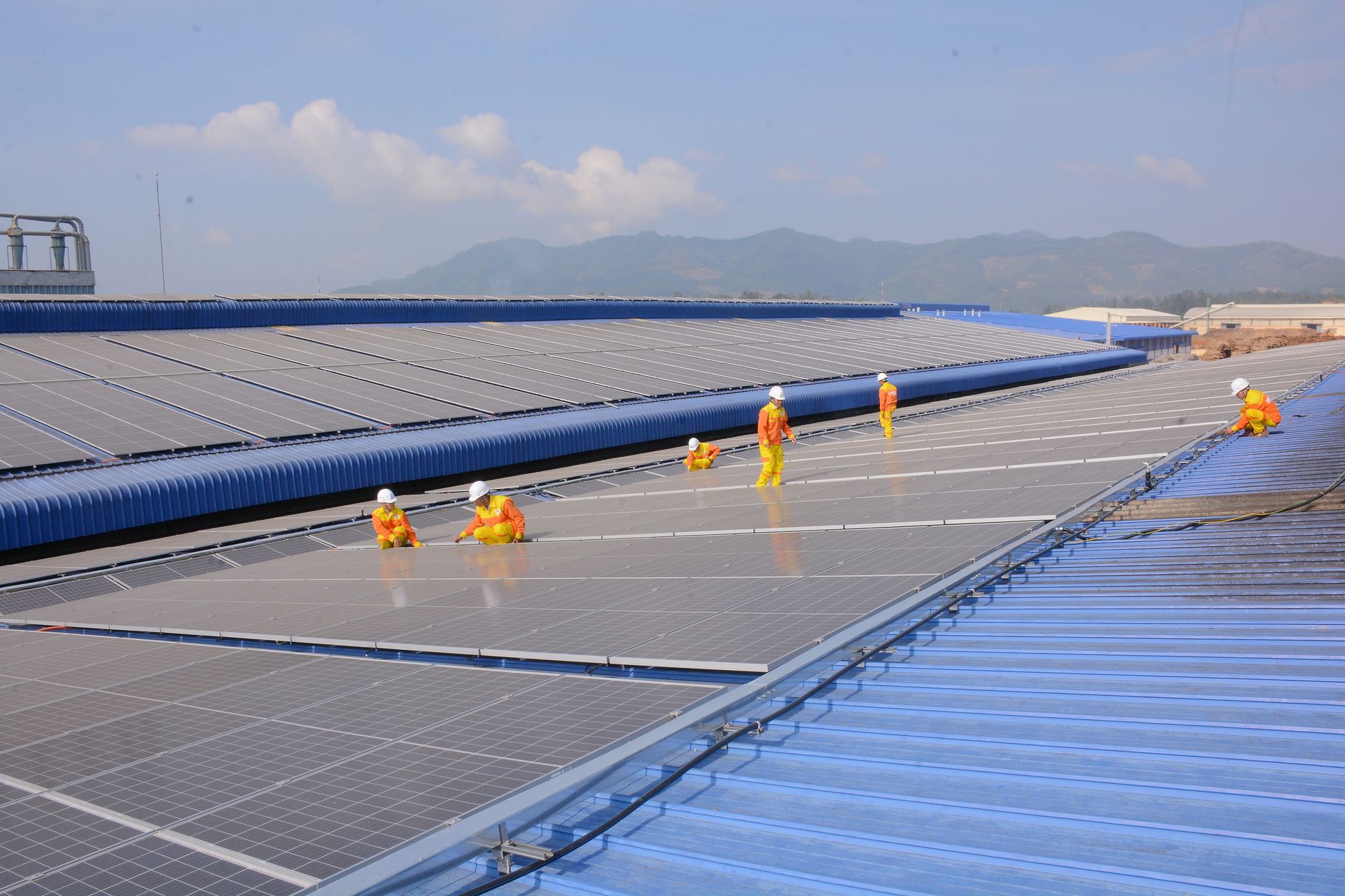
Solar Power Project: Proven Benefits for Aster Medcity

The solar power project at Aster Medcity is a significant step towards sustainable energy in Kerala. This 10 MW initiative aims to enhance the quality of care while promoting eco-friendly practices.

Overview of the Solar Power Project

Aster DM Quality Care has recently commissioned a 10 MW solar power project for Aster Medcity in Kerala, marking a significant step towards sustainable energy practices in the healthcare sector. This initiative highlights Aster Medcity’s commitment to reducing its carbon footprint while providing quality healthcare services.

The solar power project aims to harness the abundant sunlight in the region, enabling the facility to generate clean energy that will power its operations. This transition to renewable energy is expected to offer a variety of benefits, including:

  • Cost savings on electricity bills, allowing funds to be redirected towards patient care and other essential services.
  • Reduction in greenhouse gas emissions, contributing to a healthier environment and supporting the global fight against climate change.
  • Increased energy independence, ensuring reliable power supply for medical services at all times.

Overall, the solar power project is poised to enhance the operational efficiency of Aster Medcity while setting a benchmark for sustainable practices in healthcare.

Benefits of Solar Energy for Healthcare

The integration of solar energy into healthcare facilities offers numerous advantages, particularly for institutions like Aster Medcity, which has recently commissioned a 10 MW solar power project. This initiative not only enhances operational efficiency but also promotes sustainability.

Some key benefits include:

  • Cost Savings: By utilizing solar power, Aster Medcity can significantly reduce its electricity bills, allowing funds to be redirected towards patient care and facility improvements.
  • Environmental Impact: Solar energy is a clean, renewable resource that minimizes the carbon footprint, aligning with global efforts to combat climate change.
  • Energy Independence: The solar power project provides a reliable energy source, reducing dependence on traditional power grids and enhancing resilience during outages.
  • Enhanced Patient Care: With a stable power supply, medical equipment operates efficiently, ensuring that patients receive uninterrupted care.

Overall, the solar power project at Aster Medcity exemplifies the positive impact of renewable energy in the healthcare sector.

Impact on Aster Medcity’s Operations

The recent commissioning of a solar power project at Aster Medcity is set to significantly enhance the operational efficiency of the healthcare facility. By integrating renewable energy into its operations, Aster Medcity aims to minimize its reliance on conventional power sources, ultimately reducing operational costs.

One of the primary impacts of this initiative is the ability to maintain uninterrupted power supply, which is critical for medical facilities. The 10 MW solar power project will ensure that essential services remain functional even during grid outages, thus improving patient safety and care.

Furthermore, the project aligns with Aster Medcity’s commitment to sustainability. By utilizing clean energy, the hospital contributes to lowering carbon emissions, reinforcing its role as a leader in environmentally responsible healthcare. This initiative not only supports the facility’s operational goals but also enhances its reputation as a forward-thinking institution dedicated to the well-being of both patients and the planet.

In conclusion, the solar power project marks a transformative step for Aster Medcity, ensuring reliability and sustainability in its operations.

Sustainability Goals of Aster DM Quality Care

Aster DM Quality Care is committed to achieving its sustainability goals through innovative energy solutions. The recent commissioning of a solar power project at Aster Medcity in Kerala marks a significant milestone in this journey. By harnessing solar energy, Aster DM is not only reducing its carbon footprint but also promoting environmental stewardship within the healthcare sector.

The integration of renewable energy into Aster Medcity’s operations aligns with global efforts to combat climate change and encourages other healthcare institutions to follow suit. The solar power project is expected to generate 10 MW of clean energy, which will substantially lower greenhouse gas emissions and contribute to energy savings.

Moreover, this initiative supports Aster DM Quality Care’s broader mission to enhance patient care while being mindful of ecological impacts. The commitment to sustainability is reflected in various practices, including:

  • Utilization of energy-efficient technologies
  • Implementation of waste reduction strategies
  • Promotion of green building standards

These efforts demonstrate Aster DM’s dedication to a healthier future for both patients and the planet.

Future of Renewable Energy in Kerala

The future of renewable energy in Kerala looks promising, particularly with the successful implementation of the solar power project at Aster Medcity. As the state pushes for greener alternatives, the integration of solar energy into healthcare facilities sets a positive precedent.

Kerala has been steadily increasing its focus on sustainability, and this project exemplifies the commitment to harnessing natural resources effectively. The shift towards solar power not only reduces greenhouse gas emissions but also promotes energy independence, which is essential for the region’s long-term energy strategy.

Moreover, this initiative aligns with the state’s vision of achieving a significant share of energy from renewable sources. By investing in solar infrastructure, Aster Medcity positions itself as a leader in the healthcare sector, showcasing how hospitals can contribute to environmental conservation.

As the demand for clean energy continues to grow, the success of the solar power project will likely inspire other institutions across Kerala to adopt similar sustainable practices, benefiting both the environment and community health.

Community Response to the Initiative

The launch of the solar power project at Aster Medcity has garnered a positive response from the local community. Residents have expressed enthusiasm about the initiative, recognizing its potential to enhance environmental sustainability and reduce energy costs.

Community members have highlighted several key benefits they associate with the solar power project:

  • Job Creation: The construction and maintenance of the solar facility are expected to create numerous job opportunities for local workers.
  • Environmental Impact: Many are pleased that the project promotes clean energy, contributing to a reduction in carbon emissions and fostering a healthier environment.
  • Public Awareness: The initiative has sparked conversations about renewable energy, encouraging more residents to consider solar solutions for their own homes.
  • Healthcare Access: With lower operational costs, Aster Medcity can allocate more resources towards improving patient care and expanding services.

Overall, the community is optimistic that this solar power project will serve as a model for future renewable energy initiatives in the region.

Photo by Hoan Ngọc on Pexels

References

Related stories

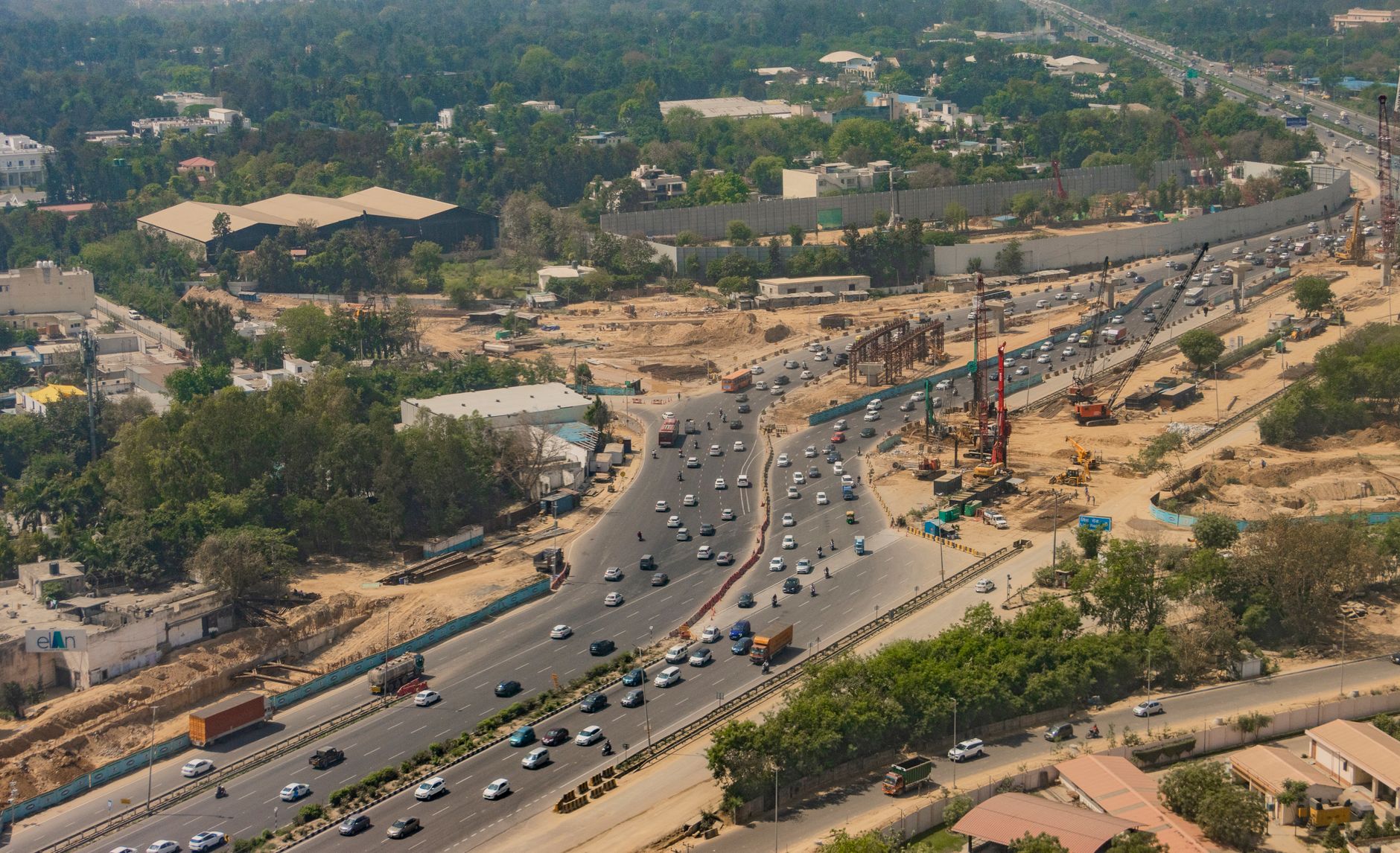
DFC Project progress: Worst Slowdown Exposed by Modi’s Critique

DFC Project progress has become a contentious issue as Modi castigates the previous Manmohan Singh government for its slow advancements. This criticism sheds light on the urgent need for improvement in infrastructure projects.

Background on the DFC Project

The Dedicated Freight Corridor (DFC) Project is a significant infrastructure initiative aimed at enhancing freight transportation efficiency across India. The project, which was launched to decongest existing rail networks and improve logistics, has faced various challenges since its inception.

Critics have pointed out that the progress on the DFC Project has been slower than anticipated, attributing this to a series of bureaucratic hurdles and funding issues. In recent statements, Prime Minister Modi has particularly highlighted the lack of timely action during the previous Manmohan Singh administration.

Key points regarding the DFC Project include:

  • Objective: To create a dedicated rail corridor for freight traffic.
  • Benefits: Expected to reduce transit times and lower logistical costs.
  • Current Status: Progress has been notably behind schedule, raising concerns among stakeholders.

The ongoing discussion around the DFC Project progress underscores the importance of efficient governance and timely implementation of infrastructure projects in India.

Modi’s Critique Explained

In a recent speech, Prime Minister Narendra Modi addressed the sluggish progress of the Dedicated Freight Corridor (DFC) Project, criticizing the previous government’s handling of the initiative. Modi emphasized that the delays experienced during the tenure of former Prime Minister Manmohan Singh have significantly hampered the project’s potential benefits.

According to Modi, the DFC Project, which is intended to revolutionize freight transport in India, has faced unnecessary obstacles due to inadequate planning and execution by the previous administration. He stated that the project was a priority, yet it suffered from a lack of urgency and focus.

Modi highlighted several key points regarding the DFC Project’s progress:

  • Infrastructural Delays: Many segments of the corridor remain incomplete.
  • Financial Mismanagement: Funds allocated for the project were not utilized effectively.
  • Policy Inconsistencies: Frequent changes in policy led to confusion and stagnation.

This critique aims to shed light on the need for renewed commitment to accelerating the DFC Project’s progress.

Impact of Slow Progress

The impact of the slow progress on the DFC Project has raised concerns among various stakeholders, particularly in light of Prime Minister Modi’s recent critique. The delay in the project’s advancement has not only affected the logistics sector but has also had broader implications for economic growth.

Key issues arising from the slow progress include:

  • Increased Costs: Delays have led to rising expenses, affecting the overall budget allocated for the project.
  • Investment Hesitation: Potential investors are wary of committing funds to a project that lacks timely execution.
  • Job Creation Delay: The promised job opportunities tied to the DFC Project are being postponed, impacting local economies.
  • Logistical Challenges: Inefficiencies in transportation and supply chain management have become more pronounced due to the stagnation.

As discussions around the DFC Project progress continue, stakeholders are urging for a renewed focus on overcoming these delays to realize the project’s full potential.

Comparative Analysis with Other Projects

The progress of the DFC Project has come under significant scrutiny, especially when compared to similar infrastructure initiatives. While the DFC aims to revolutionize freight transport in India, other projects have showcased more efficient execution and timelines.

For instance, the Delhi-Mumbai Expressway was completed ahead of schedule, demonstrating effective management and resource allocation. In contrast, the DFC Project has faced continual delays, raising questions about project oversight and funding mechanisms.

Additionally, the Mumbai Metro project, despite its hurdles, has progressed steadily, highlighting a contrast in governmental approach between these initiatives. Key factors contributing to the disparity include:

  • Timely funding and clear accountability
  • Efficient stakeholder engagement
  • Proactive project management practices

The comparative analysis underscores the urgent need for enhanced governance to ensure that the DFC Project meets its intended milestones and delivers on its promises.

Future Prospects for DFC

The future prospects for the DFC Project remain a topic of intense discussion, particularly in light of recent critiques from Prime Minister Modi. As the government seeks to revitalize this critical infrastructure initiative, several key factors will influence its trajectory.

First, the allocation of resources will be paramount. With increased funding and strategic partnerships, the DFC could see accelerated progress. Secondly, addressing bureaucratic hurdles will be essential to streamline operations and enhance efficiency.

Moreover, technological advancements play a crucial role in improving project timelines. Implementing innovative solutions could mitigate delays and enhance the overall effectiveness of the DFC Project.

Lastly, public and private sector collaboration will be vital. Engaging stakeholders from various sectors can lead to shared insights and improved outcomes. As discussions around the DFC Project progress, the government aims to turn criticism into a catalyst for growth and development.

Ultimately, the DFC Project’s future hinges on the ability to adapt and respond to the challenges highlighted by Modi’s critique.

The recent critique by Modi has brought to light significant challenges affecting DFC Project progress. Stakeholders are now questioning how these setbacks will impact the overall timeline for DFC Project progress.

Photo by Collab Media on Pexels

Sources

Related stories