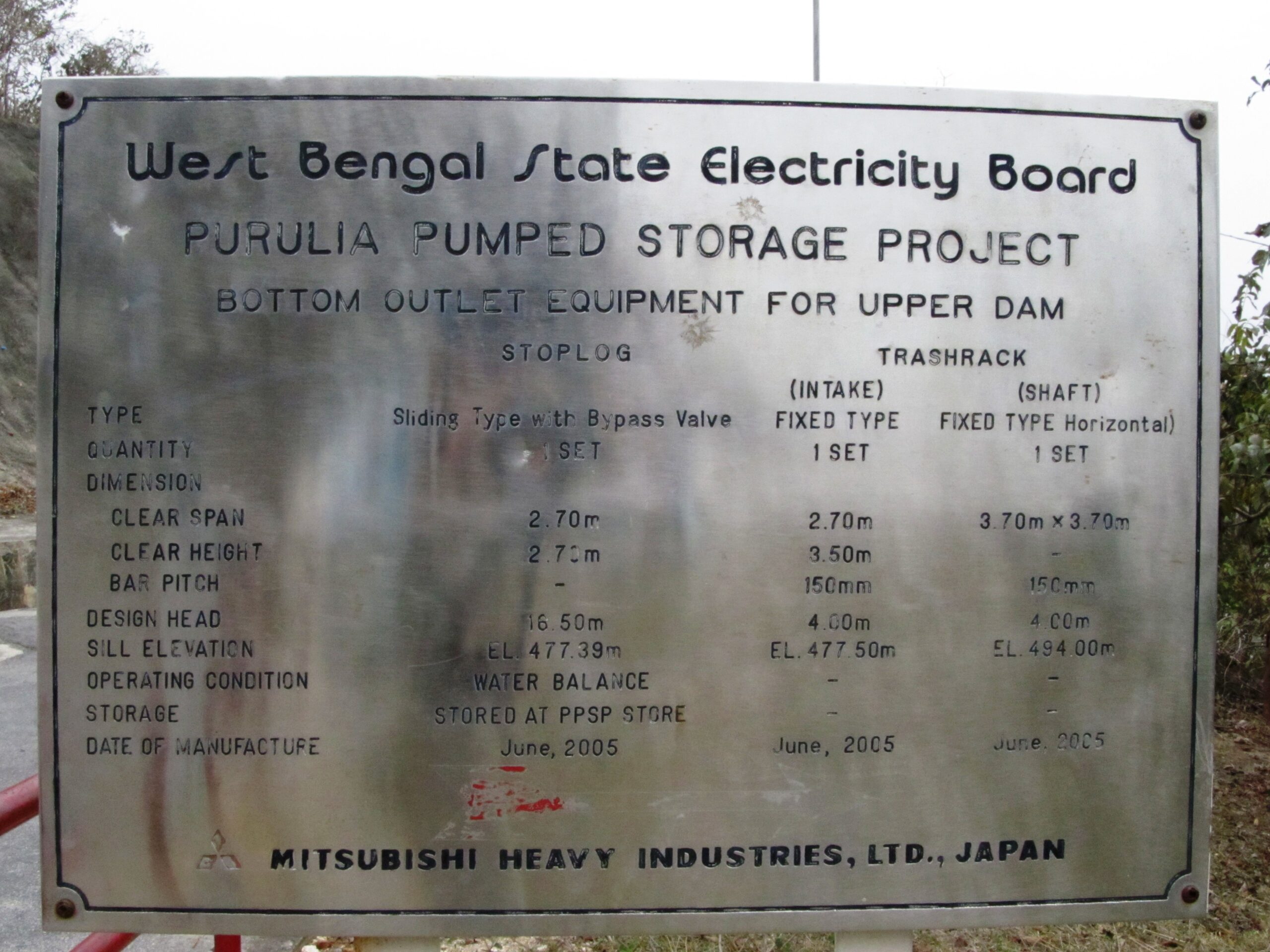
Pumped Storage Projects: The Best Proven Solutions for India

Pumped Storage Projects are becoming a focal point for energy innovation in India. The NTPC-EDF joint venture aims to lead this next wave of development, enhancing energy storage capabilities.

Overview of Pumped Storage Projects

Pumped storage projects are essential components of energy management systems, particularly in regions like India, where renewable energy sources are rapidly expanding. These projects serve as a form of energy storage, allowing for the efficient balancing of supply and demand. By using excess energy to pump water to a higher elevation, this energy can be released later to generate electricity when demand peaks.

Recently, the NTPC-EDF joint venture has set its sights on developing the next wave of pumped storage projects in India. This initiative aims to enhance the reliability and stability of the power grid, especially with the increasing integration of solar and wind energy sources.

Some key benefits of pumped storage projects include:

  • Energy Efficiency: They provide a way to store energy for later use, making the energy supply more reliable.
  • Grid Stability: These projects help to mitigate fluctuations in power supply, ensuring that energy demands are met consistently.
  • Environmental Impact: They support a greater reliance on renewable energy, reducing dependence on fossil fuels.

Overall, pumped storage projects represent a promising solution for India’s energy future.

Benefits of Pumped Storage in India

Pumped storage projects offer significant advantages for India as it seeks to enhance its energy security and support renewable energy integration. These projects act as a reliable mechanism for balancing supply and demand, particularly with the increasing reliance on intermittent sources like solar and wind energy.

One of the primary benefits of pumped storage is its ability to store excess energy generated during peak production times. This stored energy can then be released during periods of high demand, ensuring a stable and continuous power supply. In a country like India, where energy needs are rapidly growing, this capability is essential.

Additionally, pumped storage projects contribute to grid stability by providing ancillary services such as frequency regulation. This feature helps maintain the overall health of the electrical grid, minimizing the risk of blackouts.

Moreover, these projects can create numerous jobs during both construction and operation phases, further boosting local economies. As India continues to explore innovative solutions for its energy challenges, pumped storage projects emerge as one of the best proven solutions to achieve a sustainable and resilient energy future.

Challenges Facing Pumped Storage Projects

Pumped storage projects in India face several challenges that could hinder their development and implementation. These challenges include:

  • Regulatory Hurdles: The approval process for pumped storage projects often involves multiple governmental and environmental clearances, which can lead to significant delays.
  • High Initial Investment: The capital required to construct pumped storage facilities is substantial, making it difficult for investors to commit without guaranteed returns.
  • Environmental Concerns: The construction of reservoirs for pumped storage can disrupt local ecosystems and displace communities, raising opposition from environmental activists and local populations.
  • Geographical Limitations: Suitable sites for pumped storage projects are limited, as they require specific topographical conditions to be effective.
  • Technological Challenges: While the technology for pumped storage is established, integrating these systems with existing power grids poses technical difficulties.

Despite these challenges, the potential for pumped storage projects to enhance energy security and storage capacity in India remains promising, particularly as the country seeks to balance its renewable energy ambitions with reliable power supply.

The Future of Energy Storage Solutions

The future of energy storage solutions in India is increasingly leaning towards pumped storage projects, which have proven to be a reliable method for balancing energy supply and demand. As the country aims to meet its growing energy needs while transitioning towards renewable sources, these projects offer a viable path forward.

With advancements in technology and increased investment from both public and private sectors, the potential for expanded pumped storage capacity is significant. Key players, such as the NTPC-EDF joint venture, are focusing on developing innovative solutions that can enhance efficiency and reduce costs. This collaborative approach is expected to pave the way for new projects that can harness India’s vast hydro resources.

Moreover, as the government sets ambitious targets for renewable energy, integrating pumped storage projects into the energy mix will be crucial. This integration will not only provide a buffer against the intermittency of renewable sources but also support grid stability.

In summary, the future of energy storage in India looks promising, with pumped storage projects at the forefront of this transformation, ensuring a sustainable and resilient energy landscape.

By Ayan Mukherjee via Openverse

Read the original

urbanacres.in

Related stories

Mini Data Center Launch: The Best Space Tech Move Yet · India Mobile Congress: The Best Platform for Global Tech Brands · Lemon Tree Hotels: Smart Move with New Nashik Location

Mini Data Center Launch: The Best Space Tech Move Yet

The mini data center is poised to change the landscape of technology as Google prepares to launch it into space next week. This innovative project aims to tap into a lucrative market.

What is a Mini Data Center?

A mini data center is a compact and efficient solution designed to process and store data in a smaller footprint compared to traditional data centers. These innovative systems offer significant advantages, particularly in terms of scalability and resource management.

Typically, a mini data center includes essential components such as servers, storage units, and network equipment, all integrated into a single unit. These systems are often modular, allowing organizations to expand their capabilities as their data needs grow.

One of the most exciting developments in this field is the application of mini data centers in space. With the upcoming launch by Google as part of Project Suncatcher, the concept of floating data centers in orbit could revolutionize how data is processed and managed. This approach not only addresses growing data demands but also leverages the unique conditions of space, such as cooling benefits and optimized power usage.

The market for mini data centers is projected to reach $28.16 billion, driven by the increasing need for efficient data management solutions across various industries. By embracing these technologies, companies can enhance their operational efficiency while reducing their environmental footprint.

In summary, mini data centers represent a significant advancement in data technology, offering a promising avenue for future growth and innovation.

Google’s Vision for Space Technology

Google has unveiled an ambitious plan to integrate a mini data center into its space technology initiatives, marking a significant leap in how data processing could be conducted beyond Earth. This forward-thinking project aligns with Google’s commitment to innovation and sustainability, with mini data centers expected to play a crucial role in future space missions.

As part of Project Suncatcher, the company aims to explore how these compact data centers can operate in the harsh environment of space, providing valuable insights for both terrestrial and extraterrestrial applications. The opportunity to harness the power of the sun for energy generation while processing vast amounts of data in real-time could redefine the landscape of space exploration and satellite operations.

Key benefits of launching mini data centers into space include:

  • Reduced latency: Data can be processed closer to its source, enhancing communication efficiency.
  • Energy efficiency: Utilizing solar power can significantly lower operational costs.
  • Innovative applications: New possibilities for data storage and processing in extreme conditions.

As the market for space technology is projected to reach $28.16 billion, Google’s vision for mini data centers could pave the way for future advancements in both space and data management.

The Market Potential of Space Data Centers

The potential market for mini data centers in space is rapidly expanding, driven by the increasing demand for data processing and storage solutions beyond Earth. As technology continues to evolve, the feasibility of deploying mini data centers in orbit presents a unique opportunity for businesses and researchers alike.

Industry analysts project that the market for space-based data centers could reach an impressive $28.16 billion by 2025. This growth is fueled by factors such as:

  • Advancements in satellite technology: Improvements in satellite capabilities enable more efficient data transmission and processing.
  • Increased demand for data storage: With the surge in data generation from various sectors, including IoT and AI, the need for scalable storage solutions is paramount.
  • Enhanced connectivity: Space data centers can provide reliable connectivity in remote areas where traditional infrastructure is lacking.

Moreover, companies are recognizing the strategic advantage of positioning data processing closer to the source of data generation. This shift toward mini data centers not only reduces latency but also optimizes data management practices. As Google ventures into this uncharted territory with its Project Suncatcher, the implications for the tech industry could be transformative.

Challenges in Launching Tech into Space

The launch of mini data centers into space is a groundbreaking endeavor, but it comes with its own set of challenges. The technology required to operate efficiently in a microgravity environment is still being developed, and ensuring the reliability of these systems is paramount.

One of the primary concerns is thermal management. In space, temperatures can fluctuate dramatically, which could impact the performance of the mini data center. Engineers must design systems that can withstand extreme conditions while maintaining optimal operational efficiency.

Additionally, communication latency presents another hurdle. Data centers rely on constant communication with Earth-based systems, and the distance can introduce delays that complicate data processing and retrieval. This necessitates advancements in satellite communication technology to ensure seamless connectivity.

There are also significant financial implications involved in launching mini data centers into orbit. The costs associated with building, launching, and maintaining these facilities can be substantial. Investors and companies must weigh these expenses against the potential market benefits, projected to reach $28.16 billion.

Despite these challenges, the potential rewards of deploying mini data centers in space could revolutionize how we process and store data, making it a frontier worth exploring.

The launch of the mini data center marks a significant step forward in space technology. With its compact design and efficient performance, the mini data center is set to revolutionize how we handle data in remote locations.

By NASA Goddard Space Flight Center via Openverse

Where this came from

24/7 Wall St.

You might also like

India Mobile Congress: The Best Platform for Global Tech Brands · Lemon Tree Hotels: Smart Move with New Nashik Location · Residential Living Kolkata: The Best Proven Solutions