India Green Energy Corridor: The Best Proven Path to Renewables

India Green Energy Corridor is set to revolutionize the renewable energy landscape in the country. With its Phase III initiative, this project aims to enhance energy transmission and support the growth of green energy sources.

Overview of India’s Green Energy Corridor

The India Green Energy Corridor is a transformative initiative aimed at enhancing the country’s renewable energy capabilities. With the growing demand for clean energy, this corridor is designed to facilitate the efficient transmission of power generated from renewable sources across India.

Phase III of the project represents a significant leap forward in India’s commitment to sustainable energy. This phase focuses on several key components:

  • Infrastructure Development: Construction of new transmission lines to connect renewable energy sources with the national grid.
  • Capacity Enhancement: Upgrading existing infrastructure to accommodate the increasing volume of renewable energy generation.
  • Integration of Renewables: Streamlining the integration of solar, wind, and other renewable sources into the power supply system.

The India Green Energy Corridor is expected to play a crucial role in meeting the country’s ambitious target of achieving 500 GW of renewable energy capacity by 2030. This initiative not only aims to reduce carbon emissions but also seeks to provide a reliable and sustainable energy supply to millions of households across the nation.

As India moves forward in its renewable energy journey, the success of the Green Energy Corridor will be pivotal in shaping a greener and more sustainable future.

Phase III: Key Features and Benefits

Phase III of the India Green Energy Corridor is set to revolutionize the renewable energy landscape in the country by expanding infrastructure and enhancing connectivity. This phase focuses on several key features and benefits that are crucial for achieving clean energy targets.

  • Enhanced Transmission Capacity: The new infrastructure will significantly increase the capacity to transmit green energy from renewable sources to consumption centers, thereby reducing wastage.
  • Integration of Renewable Sources: This phase facilitates the integration of diverse renewable energy sources, including solar, wind, and hydroelectric power, into the national grid.
  • Job Creation: The development of the India Green Energy Corridor will create numerous job opportunities in construction, maintenance, and operation of renewable energy facilities.
  • Energy Security: By diversifying the energy mix, this initiative strengthens India’s energy security and reduces dependence on fossil fuels.
  • Environmental Benefits: The corridor promises to mitigate carbon emissions, contributing to India’s commitment to combat climate change and promote sustainable development.

Overall, Phase III of the India Green Energy Corridor not only supports the transition to renewable energy but also aligns with global sustainability goals, making it a pivotal step in India’s energy future.

Impact on Renewable Energy Growth

The India Green Energy Corridor is poised to have a transformative impact on the growth of renewable energy across the nation. By enhancing the transmission infrastructure, this initiative addresses one of the significant challenges faced by the renewable sector: the efficient integration of power generated from renewable sources into the grid.

As the demand for clean energy rises, the corridor will facilitate the seamless transfer of electricity from remote solar and wind farms to urban centers. This will not only ensure a stable supply of renewable energy but also promote energy security and sustainability.

Key impacts of the India Green Energy Corridor on renewable energy growth include:

  • Increased Capacity: The corridor will enable the integration of a larger capacity of renewable energy sources, facilitating the ambition of achieving 175 GW of renewable energy by 2022.
  • Job Creation: The expansion and enhancement of infrastructure will create numerous jobs in engineering, construction, and maintenance sectors.
  • Reduction in Greenhouse Gas Emissions: By promoting the use of renewable energy, the corridor will contribute significantly to reducing carbon footprints across the country.

Overall, the India Green Energy Corridor is a crucial step toward realizing a sustainable energy future and achieving India’s climate goals.

Government Initiatives Supporting the Corridor

The Indian government has launched several initiatives to bolster the India Green Energy Corridor, aiming to facilitate the transition to renewable energy sources. These initiatives are designed to enhance grid infrastructure, support clean energy projects, and promote sustainable practices across the nation.

Key government initiatives include:

  • Financial Support: The government has allocated substantial funding for the development of transmission networks, ensuring that renewable energy can be effectively integrated into the grid.
  • Policy Frameworks: A robust policy framework has been established to incentivize investment in green technologies and streamline project approvals, making it easier for companies to contribute to the corridor.
  • Public-Private Partnerships: Collaborative efforts between the government and private sector are encouraged to foster innovation and accelerate the deployment of renewable energy solutions.
  • Capacity Building: Initiatives aimed at enhancing the skills and knowledge of the workforce in renewable energy technologies are being implemented, ensuring that the sector is equipped with the necessary expertise.

Through these initiatives, the government is not only supporting the India Green Energy Corridor but also positioning the country as a leader in the global renewable energy landscape.

Challenges in Implementation

The implementation of the India Green Energy Corridor faces several challenges that may hinder its success. These challenges include:

  • Infrastructure Development: A robust and efficient infrastructure is essential for the seamless integration of renewable energy sources into the national grid. Delays in construction and upgrades of transmission lines can impede progress.
  • Financial Constraints: Securing adequate funding for the ambitious projects under the India Green Energy Corridor is crucial. Limited investment can slow down development and affect the quality of the installations.
  • Technological Barriers: The integration of diverse renewable energy sources requires advanced technology. Ensuring that the necessary technology is available and implemented effectively can be a significant hurdle.
  • Regulatory Challenges: Navigating the complex regulatory landscape is essential for smooth execution. Streamlining policies and regulations will enhance cooperation among stakeholders.
  • Environmental Concerns: While promoting renewable energy, it is vital to address potential environmental impacts concerning land use and biodiversity during the construction phase.

Overcoming these challenges is vital for realizing the full potential of the India Green Energy Corridor, ensuring that it remains a critical component of the nation’s renewable energy strategy.

Future Prospects for Green Energy

The future prospects for green energy in India are promising, particularly with the ongoing development of the India Green Energy Corridor. This initiative is not only expected to enhance the integration of renewable energy sources but also to support the country’s ambitious renewable energy targets.

As the world shifts towards sustainable energy, India aims to achieve 500 GW of non-fossil fuel capacity by 2030. To reach this target, the Green Energy Corridor will play a vital role in facilitating efficient transmission and distribution of renewable energy from generation sites to consumption centers. This will help mitigate the challenges associated with renewable energy intermittency.

Key elements that will shape the future of green energy in India include:

  • Technological Advancements: Continued innovation in energy storage and grid management technologies will improve the efficiency of renewable energy systems.
  • Policy Support: A favorable policy landscape will encourage investments and foster private sector participation in renewable energy projects.
  • Public Awareness: Increasing public awareness about the benefits of renewable energy will drive consumer demand for cleaner energy solutions.

With these factors in play, the India Green Energy Corridor is poised to become a cornerstone in the nation’s journey towards a sustainable energy future.

Conclusion and Next Steps

In conclusion, the India Green Energy Corridor represents a significant step towards achieving a sustainable energy future for the country. With its ambitious objectives and comprehensive framework, the corridor is poised to enable the efficient transmission of renewable energy across regions. The successful implementation of Phase III is crucial as it addresses existing challenges and enhances the overall capacity of the energy grid.

To ensure the effectiveness of the corridor, several next steps must be prioritized:

  • Infrastructure Development: Continued investment in robust infrastructure is essential to support the growing demand for renewable energy sources.
  • Policy Framework: Establishing clear and supportive policies will encourage private sector participation and investment in renewable projects.
  • Public Awareness: Raising awareness about the benefits of renewable energy among the general populace will foster community support and involvement.
  • Technological Innovation: Encouraging research and development in energy storage and transmission technologies will enhance the efficiency of the corridor.

As India moves forward with the Green Energy Corridor, collaboration among government agencies, private enterprises, and local communities will be vital in realizing the potential of renewable energy, ultimately contributing to a greener and more sustainable future.

Sources

solarquarter.com

Related stories

HomePod colors: The Best Options for Your Smart Home · London Property Prices Fall: The Worst Decline in Years · Record H1 Sales Achieved: Proven Success for Sobha
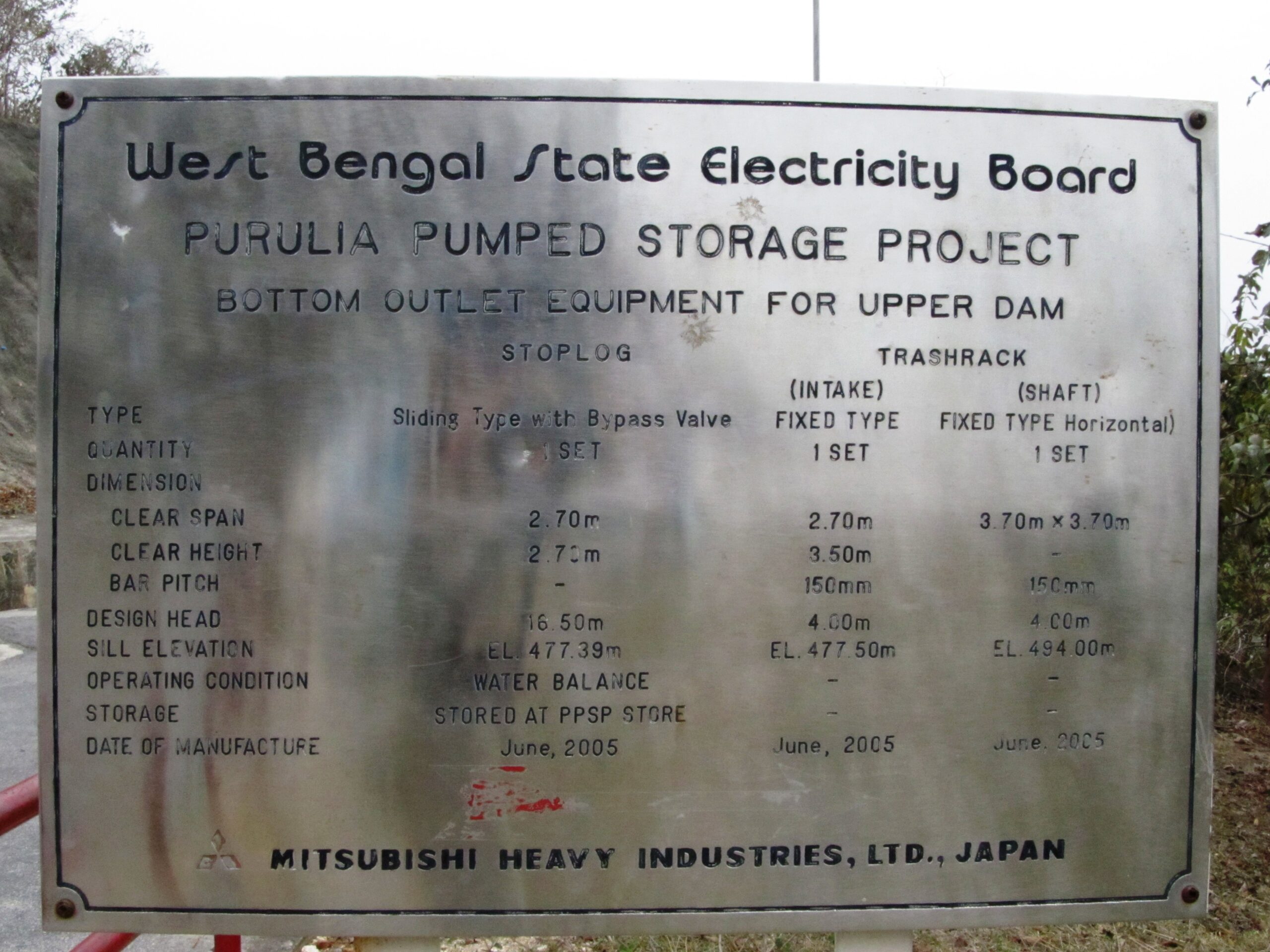
Pumped Storage Projects: The Best Proven Solutions for India

Pumped Storage Projects are becoming a focal point for energy innovation in India. The NTPC-EDF joint venture aims to lead this next wave of development, enhancing energy storage capabilities.

Overview of Pumped Storage Projects

Pumped storage projects are essential components of energy management systems, particularly in regions like India, where renewable energy sources are rapidly expanding. These projects serve as a form of energy storage, allowing for the efficient balancing of supply and demand. By using excess energy to pump water to a higher elevation, this energy can be released later to generate electricity when demand peaks.

Recently, the NTPC-EDF joint venture has set its sights on developing the next wave of pumped storage projects in India. This initiative aims to enhance the reliability and stability of the power grid, especially with the increasing integration of solar and wind energy sources.

Some key benefits of pumped storage projects include:

  • Energy Efficiency: They provide a way to store energy for later use, making the energy supply more reliable.
  • Grid Stability: These projects help to mitigate fluctuations in power supply, ensuring that energy demands are met consistently.
  • Environmental Impact: They support a greater reliance on renewable energy, reducing dependence on fossil fuels.

Overall, pumped storage projects represent a promising solution for India’s energy future.

Benefits of Pumped Storage in India

Pumped storage projects offer significant advantages for India as it seeks to enhance its energy security and support renewable energy integration. These projects act as a reliable mechanism for balancing supply and demand, particularly with the increasing reliance on intermittent sources like solar and wind energy.

One of the primary benefits of pumped storage is its ability to store excess energy generated during peak production times. This stored energy can then be released during periods of high demand, ensuring a stable and continuous power supply. In a country like India, where energy needs are rapidly growing, this capability is essential.

Additionally, pumped storage projects contribute to grid stability by providing ancillary services such as frequency regulation. This feature helps maintain the overall health of the electrical grid, minimizing the risk of blackouts.

Moreover, these projects can create numerous jobs during both construction and operation phases, further boosting local economies. As India continues to explore innovative solutions for its energy challenges, pumped storage projects emerge as one of the best proven solutions to achieve a sustainable and resilient energy future.

Challenges Facing Pumped Storage Projects

Pumped storage projects in India face several challenges that could hinder their development and implementation. These challenges include:

  • Regulatory Hurdles: The approval process for pumped storage projects often involves multiple governmental and environmental clearances, which can lead to significant delays.
  • High Initial Investment: The capital required to construct pumped storage facilities is substantial, making it difficult for investors to commit without guaranteed returns.
  • Environmental Concerns: The construction of reservoirs for pumped storage can disrupt local ecosystems and displace communities, raising opposition from environmental activists and local populations.
  • Geographical Limitations: Suitable sites for pumped storage projects are limited, as they require specific topographical conditions to be effective.
  • Technological Challenges: While the technology for pumped storage is established, integrating these systems with existing power grids poses technical difficulties.

Despite these challenges, the potential for pumped storage projects to enhance energy security and storage capacity in India remains promising, particularly as the country seeks to balance its renewable energy ambitions with reliable power supply.

The Future of Energy Storage Solutions

The future of energy storage solutions in India is increasingly leaning towards pumped storage projects, which have proven to be a reliable method for balancing energy supply and demand. As the country aims to meet its growing energy needs while transitioning towards renewable sources, these projects offer a viable path forward.

With advancements in technology and increased investment from both public and private sectors, the potential for expanded pumped storage capacity is significant. Key players, such as the NTPC-EDF joint venture, are focusing on developing innovative solutions that can enhance efficiency and reduce costs. This collaborative approach is expected to pave the way for new projects that can harness India’s vast hydro resources.

Moreover, as the government sets ambitious targets for renewable energy, integrating pumped storage projects into the energy mix will be crucial. This integration will not only provide a buffer against the intermittency of renewable sources but also support grid stability.

In summary, the future of energy storage in India looks promising, with pumped storage projects at the forefront of this transformation, ensuring a sustainable and resilient energy landscape.

By Ayan Mukherjee via Openverse

Read the original

urbanacres.in

Related stories

Mini Data Center Launch: The Best Space Tech Move Yet · India Mobile Congress: The Best Platform for Global Tech Brands · Lemon Tree Hotels: Smart Move with New Nashik Location

Solar Power Project: Proven Benefits for Aster Medcity

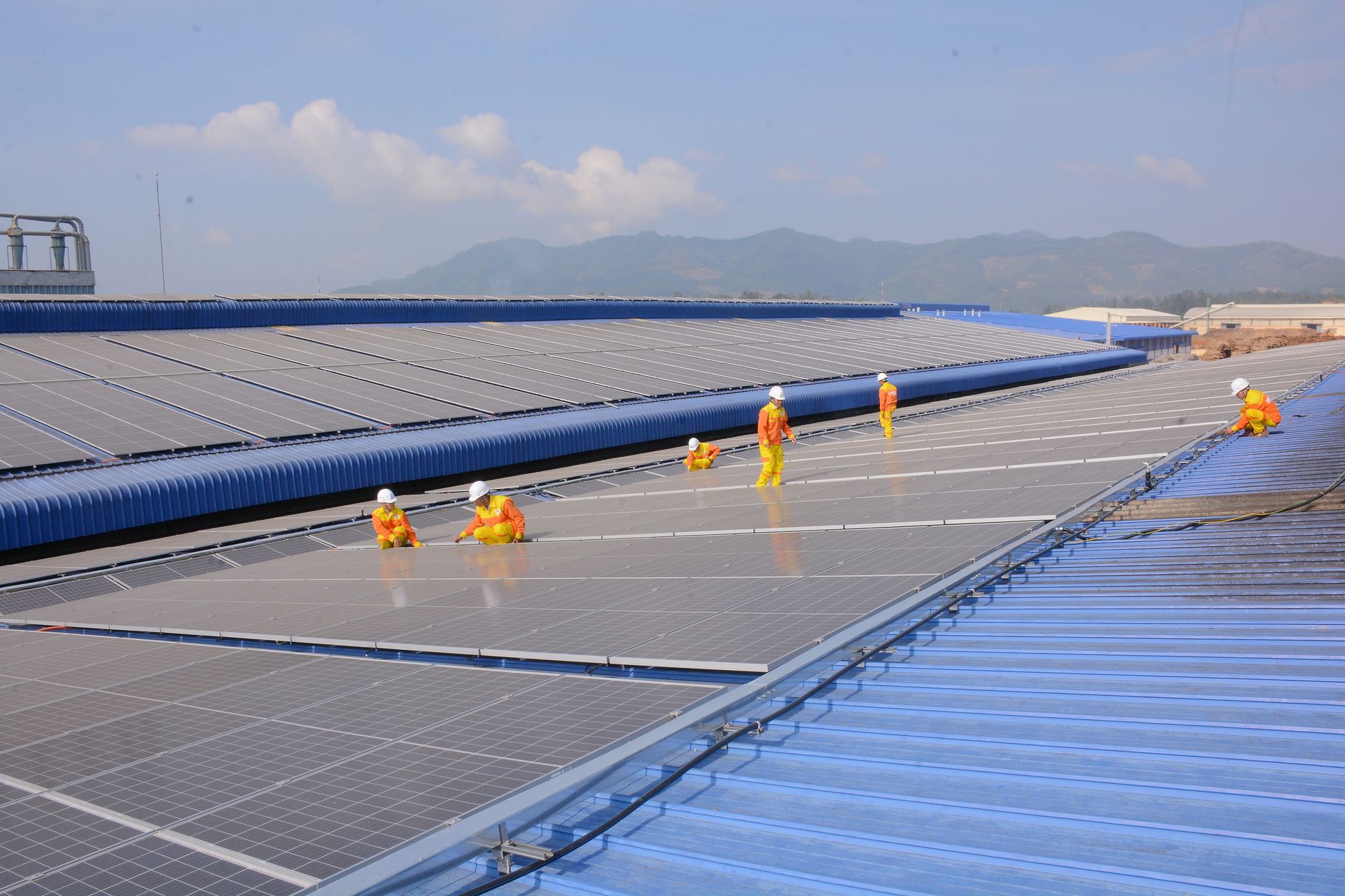
The solar power project at Aster Medcity is a significant step towards sustainable energy in Kerala. This 10 MW initiative aims to enhance the quality of care while promoting eco-friendly practices.

Overview of the Solar Power Project

Aster DM Quality Care has recently commissioned a 10 MW solar power project for Aster Medcity in Kerala, marking a significant step towards sustainable energy practices in the healthcare sector. This initiative highlights Aster Medcity’s commitment to reducing its carbon footprint while providing quality healthcare services.

The solar power project aims to harness the abundant sunlight in the region, enabling the facility to generate clean energy that will power its operations. This transition to renewable energy is expected to offer a variety of benefits, including:

  • Cost savings on electricity bills, allowing funds to be redirected towards patient care and other essential services.
  • Reduction in greenhouse gas emissions, contributing to a healthier environment and supporting the global fight against climate change.
  • Increased energy independence, ensuring reliable power supply for medical services at all times.

Overall, the solar power project is poised to enhance the operational efficiency of Aster Medcity while setting a benchmark for sustainable practices in healthcare.

Benefits of Solar Energy for Healthcare

The integration of solar energy into healthcare facilities offers numerous advantages, particularly for institutions like Aster Medcity, which has recently commissioned a 10 MW solar power project. This initiative not only enhances operational efficiency but also promotes sustainability.

Some key benefits include:

  • Cost Savings: By utilizing solar power, Aster Medcity can significantly reduce its electricity bills, allowing funds to be redirected towards patient care and facility improvements.
  • Environmental Impact: Solar energy is a clean, renewable resource that minimizes the carbon footprint, aligning with global efforts to combat climate change.
  • Energy Independence: The solar power project provides a reliable energy source, reducing dependence on traditional power grids and enhancing resilience during outages.
  • Enhanced Patient Care: With a stable power supply, medical equipment operates efficiently, ensuring that patients receive uninterrupted care.

Overall, the solar power project at Aster Medcity exemplifies the positive impact of renewable energy in the healthcare sector.

Impact on Aster Medcity’s Operations

The recent commissioning of a solar power project at Aster Medcity is set to significantly enhance the operational efficiency of the healthcare facility. By integrating renewable energy into its operations, Aster Medcity aims to minimize its reliance on conventional power sources, ultimately reducing operational costs.

One of the primary impacts of this initiative is the ability to maintain uninterrupted power supply, which is critical for medical facilities. The 10 MW solar power project will ensure that essential services remain functional even during grid outages, thus improving patient safety and care.

Furthermore, the project aligns with Aster Medcity’s commitment to sustainability. By utilizing clean energy, the hospital contributes to lowering carbon emissions, reinforcing its role as a leader in environmentally responsible healthcare. This initiative not only supports the facility’s operational goals but also enhances its reputation as a forward-thinking institution dedicated to the well-being of both patients and the planet.

In conclusion, the solar power project marks a transformative step for Aster Medcity, ensuring reliability and sustainability in its operations.

Sustainability Goals of Aster DM Quality Care

Aster DM Quality Care is committed to achieving its sustainability goals through innovative energy solutions. The recent commissioning of a solar power project at Aster Medcity in Kerala marks a significant milestone in this journey. By harnessing solar energy, Aster DM is not only reducing its carbon footprint but also promoting environmental stewardship within the healthcare sector.

The integration of renewable energy into Aster Medcity’s operations aligns with global efforts to combat climate change and encourages other healthcare institutions to follow suit. The solar power project is expected to generate 10 MW of clean energy, which will substantially lower greenhouse gas emissions and contribute to energy savings.

Moreover, this initiative supports Aster DM Quality Care’s broader mission to enhance patient care while being mindful of ecological impacts. The commitment to sustainability is reflected in various practices, including:

  • Utilization of energy-efficient technologies
  • Implementation of waste reduction strategies
  • Promotion of green building standards

These efforts demonstrate Aster DM’s dedication to a healthier future for both patients and the planet.

Future of Renewable Energy in Kerala

The future of renewable energy in Kerala looks promising, particularly with the successful implementation of the solar power project at Aster Medcity. As the state pushes for greener alternatives, the integration of solar energy into healthcare facilities sets a positive precedent.

Kerala has been steadily increasing its focus on sustainability, and this project exemplifies the commitment to harnessing natural resources effectively. The shift towards solar power not only reduces greenhouse gas emissions but also promotes energy independence, which is essential for the region’s long-term energy strategy.

Moreover, this initiative aligns with the state’s vision of achieving a significant share of energy from renewable sources. By investing in solar infrastructure, Aster Medcity positions itself as a leader in the healthcare sector, showcasing how hospitals can contribute to environmental conservation.

As the demand for clean energy continues to grow, the success of the solar power project will likely inspire other institutions across Kerala to adopt similar sustainable practices, benefiting both the environment and community health.

Community Response to the Initiative

The launch of the solar power project at Aster Medcity has garnered a positive response from the local community. Residents have expressed enthusiasm about the initiative, recognizing its potential to enhance environmental sustainability and reduce energy costs.

Community members have highlighted several key benefits they associate with the solar power project:

  • Job Creation: The construction and maintenance of the solar facility are expected to create numerous job opportunities for local workers.
  • Environmental Impact: Many are pleased that the project promotes clean energy, contributing to a reduction in carbon emissions and fostering a healthier environment.
  • Public Awareness: The initiative has sparked conversations about renewable energy, encouraging more residents to consider solar solutions for their own homes.
  • Healthcare Access: With lower operational costs, Aster Medcity can allocate more resources towards improving patient care and expanding services.

Overall, the community is optimistic that this solar power project will serve as a model for future renewable energy initiatives in the region.

Photo by Hoan Ngọc on Pexels

References

Related stories