Integrated Township Rohtak: The Best Smart Living Option

integrated township Rohtak is a new development by Royal Green Realty that promises a modern lifestyle with numerous amenities. This project aims to enhance the living experience for its residents.

What is an Integrated Township?

An integrated township is a self-sufficient community that combines residential, commercial, and recreational facilities within a single development. It is designed to create a harmonious living environment, maximizing convenience and connectivity for its residents. In essence, an integrated township Rohtak aims to provide a balanced lifestyle where all essential amenities are easily accessible.

These townships typically include a variety of housing options, from apartments to independent villas, catering to diverse preferences and budgets. In addition to residential spaces, integrated townships often feature:

  • Retail centers: Shopping complexes and local markets that meet daily needs.
  • Educational institutions: Schools and colleges that offer quality education for children and young adults.
  • Healthcare facilities: Hospitals and clinics providing comprehensive medical services.
  • Recreational areas: Parks, gyms, and sports facilities that promote a healthy lifestyle.
  • Transportation links: Well-planned roads and public transit options that ensure easy commutes.

Moreover, integrated townships often prioritize sustainability, incorporating green spaces and eco-friendly practices. This holistic approach not only enhances the quality of life but also fosters a sense of community among residents. As urbanization continues to rise, integrated townships like the one in Rohtak are emerging as the ideal choice for modern living.

Key Features of the Rohtak Township

The integrated township Rohtak offers a range of features designed to enhance the quality of life for its residents. This modern development combines convenience, sustainability, and community living in one cohesive environment.

  • Smart Infrastructure: The township boasts advanced infrastructure, including smart traffic management systems and energy-efficient buildings that promote sustainability.
  • Green Spaces: With ample parks and recreational areas, the integrated township Rohtak prioritizes greenery, encouraging outdoor activities and a healthy lifestyle.
  • Comprehensive Amenities: Residents have access to a variety of amenities such as schools, hospitals, shopping centers, and fitness facilities, all within close proximity, reducing the need for long commutes.
  • Community Living: The design fosters a strong sense of community, providing spaces for social interaction and events that bring residents together.
  • Safety and Security: The township is equipped with state-of-the-art security systems, ensuring a safe environment for families and individuals.
  • Innovative Technology: Smart homes equipped with the latest technology facilitate a comfortable and convenient lifestyle, allowing residents to control various aspects of their living space remotely.

Overall, the integrated township Rohtak not only meets the demands of modern living but also enhances the overall community experience, making it an ideal choice for prospective homeowners.

Benefits of Living in Rohtak

Living in an integrated township in Rohtak offers numerous advantages that cater to modern lifestyles. Residents can enjoy a harmonious blend of urban living and natural surroundings, providing a peaceful environment while still being close to essential amenities.

  • Convenience: Integrated townships are designed to provide all necessary facilities within close proximity. This includes schools, hospitals, shopping centers, and parks, ensuring that residents can access everything they need without traveling far.
  • Community Feel: These townships foster a sense of community among residents. With shared spaces and recreational areas, families can engage in social activities, making it easier to build lasting relationships with neighbors.
  • Smart Infrastructure: Integrated township Rohtak is equipped with smart technology, enhancing security and convenience. Features like surveillance systems and automated services contribute to a safer and more efficient living environment.
  • Green Spaces: The emphasis on landscaping and green spaces in integrated townships promotes a healthier lifestyle. Residents can enjoy parks and gardens, providing a perfect backdrop for relaxation and outdoor activities.
  • Sustainable Living: Many integrated townships incorporate eco-friendly practices, such as rainwater harvesting and solar energy, which contribute to sustainability and lower living costs.

Overall, choosing to live in an integrated township in Rohtak not only enhances quality of life but also aligns with modern living standards.

Investment Opportunities in Real Estate

The real estate market in Rohtak is witnessing a significant transformation with the introduction of integrated townships. These developments not only offer modern living spaces but also present lucrative investment opportunities for buyers and investors alike.

Investing in an integrated township in Rohtak can yield substantial returns due to several key factors:

  • Strategic Location: Rohtak’s proximity to Delhi and its robust infrastructure make it an attractive destination for both homebuyers and investors.
  • Rising Demand: With the increasing population and urbanization, the demand for residential properties is on the rise, ensuring a steady appreciation in property values.
  • Comprehensive Amenities: Integrated townships provide a variety of amenities such as schools, hospitals, shopping centers, and recreational facilities, making them highly desirable.
  • Government Initiatives: The government’s push for affordable housing and smart city projects in the region enhances the investment potential in these townships.

Moreover, the integrated township in Rohtak is designed to cater to a modern lifestyle, ensuring that residents enjoy comfort and convenience. This holistic approach to living not only enhances the quality of life but also attracts potential buyers looking for a smart living option.

As the real estate landscape evolves, investing in an integrated township in Rohtak could be a strategic move for those looking to capitalize on the future growth of the region.

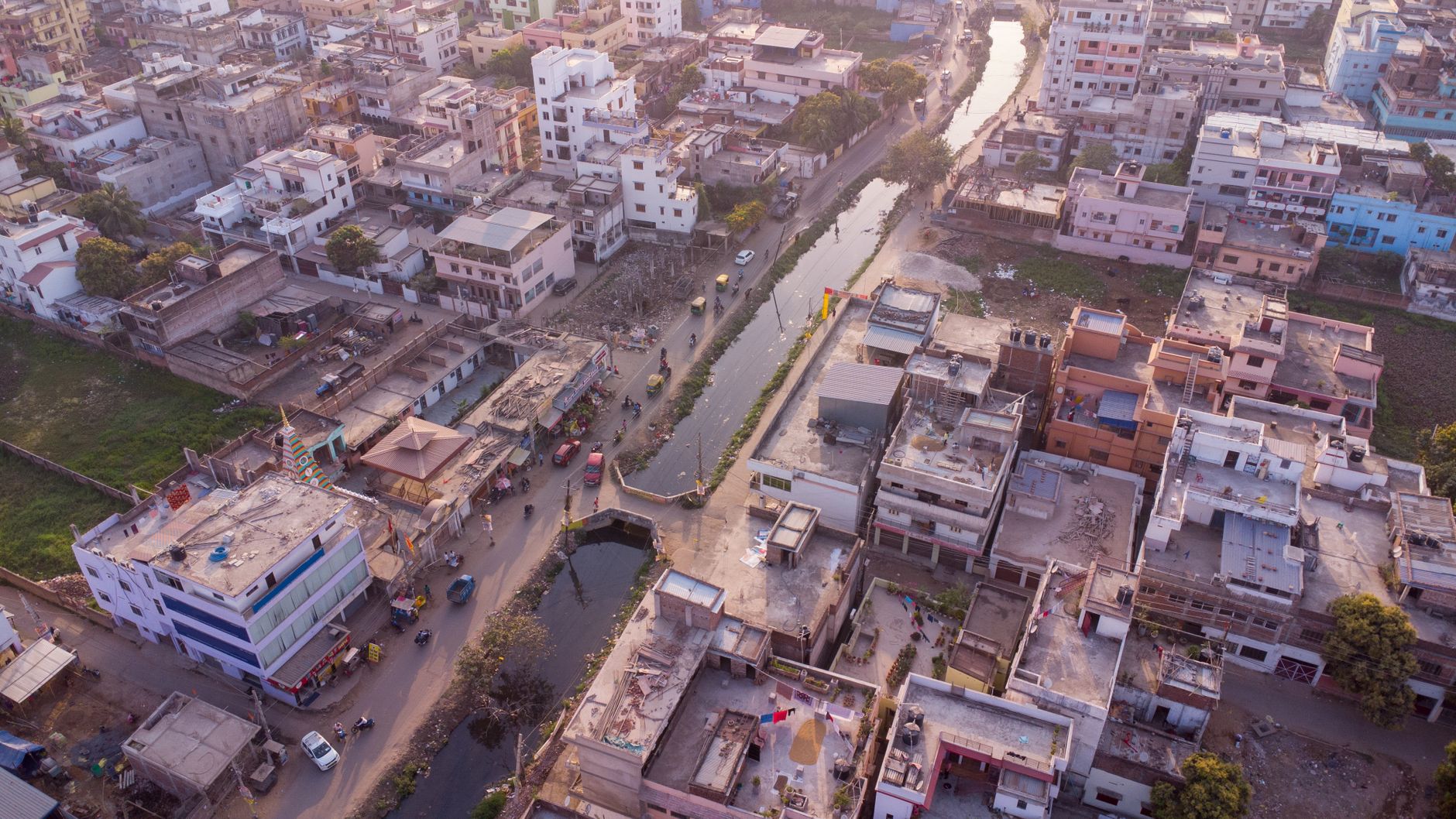
The integrated township Rohtak offers a unique blend of modern amenities and sustainable living, making it an ideal choice for families. With its state-of-the-art infrastructure, the integrated township Rohtak ensures a comfortable lifestyle for all residents.

Photo by Bahadur Nirankari on Pexels

Where this came from

Prop News Time

You might also like

Russia new mobilisation: The Real Impact on Society · Hotel expansion partnership: What’s the Best Proven Strategy? · PM-KUSUM Solar Projects: Are They the Best Renewable Solution?
Russia new mobilisation: The Real Impact on Society

Russia new mobilisation is a topic of concern as the government may tap into its pool of debtors and the unemployed for military service.

Understanding Russia’s New Mobilisation Plans

As Russia faces ongoing challenges in its military efforts, the government is reportedly considering a new mobilisation strategy that could significantly alter the landscape of its society. This new mobilisation aims to bolster troop numbers amidst an escalating conflict, and it may have far-reaching implications for various segments of the population.

Recent discussions have highlighted the possibility of recruiting individuals from specific groups, including:

  • Debtors: Those with outstanding debts may find themselves compelled to serve, raising concerns about fairness and the ethics of such a policy.
  • The unemployed: Individuals without stable employment could be targeted as potential recruits, leading to a shift in the workforce dynamics and economic stability.

Critics have pointed out that this new mobilisation may disproportionately affect vulnerable populations, thereby exacerbating existing social inequalities. The prospect of military service being used as a means to address financial or social issues stirs significant public unrest and debate.

Moreover, the psychological impact on families and communities cannot be overlooked. As individuals are pulled into military service, the strain on households and local economies could intensify, further complicating the societal fabric.

In summary, Russia’s new mobilisation plans could reshape not only the military landscape but also the very essence of Russian society, posing questions about justice, equity, and the future of its citizens.

Who Could Be Affected by Recruitment?

The recent announcements regarding Russia’s new mobilisation have raised concerns about who might be affected by the recruitment efforts. The government is reportedly considering a broader pool of candidates, which could include various segments of society.

One of the key groups that may be impacted is the unemployed. With economic conditions becoming increasingly challenging, those without stable jobs might find themselves under pressure to enlist. This move could be seen as a way for the state to bolster its military ranks while addressing unemployment issues.

Another significant demographic is debtors. The government has hinted at the possibility of recruiting individuals with outstanding debts, creating a controversial link between financial obligations and military service. This tactic may compel individuals to serve in the army as a means of alleviating their financial burdens.

Furthermore, young men in urban areas, particularly those with limited educational opportunities, could also face recruitment. The combination of economic hardship and the state’s need for soldiers may lead to increased pressure on this demographic to join the military.

In conclusion, the implications of Russia’s new mobilisation plans extend beyond traditional military conscription. They touch on economic, social, and ethical issues that could reshape the fabric of society. As these recruitment strategies unfold, various groups will be watching closely to assess their potential impact.

The Role of Debtors in Military Service

The recent announcement regarding Russia’s new mobilisation has sparked widespread debate about its implications for various segments of society, especially concerning debtors. As the government intensifies its military recruitment efforts, individuals with outstanding debts are increasingly seen as potential candidates for military service.

Historically, financial obligations have often been leveraged as a means of compelling individuals to serve. The current economic climate in Russia has left many citizens struggling with debt, making them more vulnerable to recruitment. The government’s stance appears to be that those in financial distress could serve the country as a way to settle their obligations, leading to a complex intersection between military service and personal finance.

Key points regarding the role of debtors in military service include:

  • Increased Recruitment Risks: Debtors might face heightened pressure to enlist, as financial instability can limit their options.
  • Legal Consequences: Failure to comply with recruitment could lead to further legal issues, complicating their financial situations.
  • Public Sentiment: There is growing concern among the populace about the morality of conscripting those already facing hardships.

This situation raises critical questions about the ethical implications of using financial hardship as a tool for military recruitment in the context of Russia’s new mobilisation. As the landscape evolves, it remains essential to monitor how these policies impact individuals already burdened by debt.

Unemployment Rates and Military Needs

The recent developments regarding Russia’s new mobilisation have raised significant concerns about the potential impact on unemployment rates across the nation. As more individuals are drawn into military service, particularly from vulnerable groups such as the unemployed and debtors, the dynamics of the job market are likely to shift markedly.

Many experts believe that the recruitment of these demographics could exacerbate existing unemployment issues. The following points highlight key aspects of this situation:

  • Increased job vacancies: With a portion of the workforce being mobilised, companies may find themselves struggling to fill positions, leading to a temporary increase in job vacancies.
  • Strain on industries: Sectors that rely heavily on manual labour, such as construction and agriculture, may experience a downturn in productivity as workers are called to serve.
  • Social unrest: The pressure of rising unemployment combined with the strain of military service obligations could lead to increased social tensions and dissatisfaction among the populace.
  • Economic implications: The broader economy may suffer as consumer spending declines due to job losses and the uncertainty surrounding military recruitment.

As Russia implements its new mobilisation strategy, the intersection of military needs and unemployment rates will undoubtedly play a critical role in shaping the country’s socio-economic landscape.

Public Opinion on Mobilisation

Public opinion on Russia’s new mobilisation is a complex topic, with mixed feelings among the populace. On one hand, there is a segment that supports the government’s military efforts, believing in the necessity of strengthening national defense. On the other hand, significant concerns exist regarding the implications of conscription, particularly for vulnerable groups.

Many citizens express fear over the potential for broader recruitment, especially among debtors and the unemployed, who may feel compelled to join the military due to financial pressures. This sentiment has led to increased anxiety, as families worry about the safety and future of their loved ones. A recent survey indicates that:

  • 45% of respondents support the new mobilisation plans, citing patriotism as a driving force.
  • 32% oppose it, fearing for the safety of those who will be recruited.
  • 23% remain undecided, indicating a sense of uncertainty about the long-term impacts on society.

The divisiveness of the issue reflects a broader societal challenge, where the reality of military needs clashes with personal and familial concerns. As Russia’s new mobilisation unfolds, it is clear that it will continue to provoke discussions that resonate deeply within communities across the nation.

Historical Context of Recruitment in Russia

The historical context of recruitment in Russia reveals a complex relationship between state and society, particularly during times of conflict. Throughout the centuries, Russia has relied on various forms of conscription and mobilisation to meet military needs. The current climate, marked by Russia’s new mobilisation plans, echoes past practices while reflecting contemporary societal dynamics.

In the early 20th century, during the Imperial era, conscription was a standard practice, with many young men drafted into the army regardless of their socioeconomic status. This approach continued through the Soviet period, where military service was not only a duty but a source of national pride. However, as the 21st century progressed, the public perception of military service shifted, with many viewing it as an obligation that disproportionately affected lower-income individuals.

Recent developments indicate a resurgence of these historical patterns. The proposed recruitment of debtors and the unemployed highlights the state’s reliance on vulnerable populations to fulfill its military needs. This tactic raises concerns about fairness and equity in service obligations, as those less financially stable may have fewer options to avoid enlistment.

Moreover, the impact of historical recruitment practices is still felt today, shaping public opinion and attitudes toward military service. As Russia navigates its current geopolitical challenges, the implications of its new mobilisation will likely resonate deeply within society.

Future Implications of New Policies

The announcement of Russia’s new mobilisation has sparked concerns about its long-term implications for society. As the government intensifies its recruitment efforts, particularly targeting debtors and the unemployed, various societal sectors are poised for significant change.

Firstly, the impact on family structures cannot be overlooked. With many individuals from vulnerable populations being called into service, families may face increased economic hardship and emotional strain. This could lead to a rise in social issues, including mental health challenges and domestic instability.

Secondly, the workforce is set to experience shifts that could exacerbate existing labour shortages. As more individuals are drafted into the military, key sectors such as agriculture, healthcare, and manufacturing may struggle to maintain productivity levels. This could further hinder economic recovery in a country already grappling with sanctions and international isolation.

Moreover, the new mobilisation policies may foster a culture of resentment and division within society. Those who are exempt or not targeted may develop a sense of guilt or entitlement, while those who are recruited could feel abandoned by the state. This discontent could manifest in protests or increased criticism of government actions.

In conclusion, the future implications of Russia’s new mobilisation extend beyond military needs, potentially reshaping the fabric of society in profound ways. Addressing these challenges will be crucial for ensuring stability and cohesion in the years to come.

The Russia new mobilisation has sparked widespread protests across major cities, reflecting the public’s growing discontent. As families grapple with the implications of the Russia new mobilisation, many are left questioning the future of their loved ones and the country’s direction.

Photo by omerovic cetinkaya on Pexels

Read the original

TodayPress.tv

Related reading

Hotel expansion partnership: What’s the Best Proven Strategy? · PM-KUSUM Solar Projects: Are They the Best Renewable Solution? · HP ZBook Ultra G3a: The Best Proven Pro Laptop